




Filters
SORT
Product Availability –
Gallons Per Flush –
Spud Size –
Series –
Review Score –
 --%3E %3Csvg version='1.1' id='Fill' xmlns='http://www.w3.org/2000/svg' xmlns:xlink='http://www.w3.org/1999/xlink' x='0px' y='0px' viewBox='0 0 100 100' enable-background='new 0 0 100 100' xml:space='preserve'%3E %3Cpath fill='%23F15C02' d='M79.44,0.95H20.56C9.78,0.95,0.95,9.78,0.95,20.56v58.87c0,10.79,8.82,19.61,19.61,19.61h58.87 c10.79,0,19.61-8.83,19.61-19.61V20.56C99.05,9.78,90.22,0.95,79.44,0.95z M65.38,58.24l9.38,29.58L49.69,69.78L24.5,87.82 l9.34-29.6L8.8,39.6l30.73-0.17c0,0,6.98-19.61,10-28.93c0.54,1.36,9.88,29.1,9.88,29.1H91.2L65.38,58.24z'/%3E %3C/svg%3E)
Price Range –
Sloan Sensor Operated Solis Solar-Powered Flushometers

 --%3E %3Csvg version='1.1' id='No-RB' xmlns='http://www.w3.org/2000/svg' xmlns:xlink='http://www.w3.org/1999/xlink' x='0px' y='0px' viewBox='0 0 100 100' enable-background='new 0 0 100 100' xml:space='preserve'%3E %3Cpath fill='%23CECECE' d='M79.44,0.95H20.56C9.78,0.95,0.95,9.78,0.95,20.56v58.87c0,10.79,8.82,19.61,19.61,19.61h58.87 c10.79,0,19.61-8.83,19.61-19.61V20.56C99.05,9.78,90.22,0.95,79.44,0.95z M65.38,58.24l9.38,29.58L49.69,69.78L24.5,87.82 l9.34-29.6L8.8,39.6l30.73-0.17c0,0,6.98-19.61,10-28.93c0.54,1.36,9.88,29.1,9.88,29.1H91.2L65.38,58.24z'/%3E %3C/svg%3E)

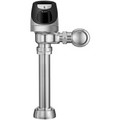

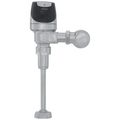

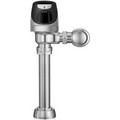

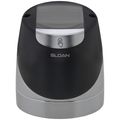
Sloan Sensor Operated Solis Solar-Powered Flushometers are sensor-activated flush valves that draw power from a solar cell instead of a hardwired connection, making them suited to restroom retrofits where running electrical conduit isn't practical. The solar cell harvests energy from ordinary indoor lighting, whether incandescent or fluorescent, and reaches roughly 100 percent power at 650 lux of illuminance. A backup pack of four AA batteries keeps the sensor running during low-light periods, rated for about six years at 4,000 flushes per month. The line covers both water closet and urinal applications, with GPF ratings spanning from 0.13 up to 1.6 depending on the model and fixture type. Facility managers specifying touchless fixtures for occupancy-sensor-lit restrooms find the solar-powered design useful, since the flushometer keeps working even when overhead lights cycle off between occupants, a scenario that can drain a battery-only sensor faster than expected.
Subcategories
- Water Closet Flushometers: Water closet flushometers in the Solis line handle single-flush operation for tank-less toilets, with GPF ratings including 1.6 and 1.28 depending on the specific model. The Solis 8111 series covers this fixture type, using the same solar-plus-battery power design as the rest of the collection. Facility retrofits in schools, offices, and public buildings commonly specify this configuration when replacing older hardwired or battery-only flush valves. Exposed mounting keeps the valve accessible for service without opening a wall chase.
- Urinal Flushometers: Urinal flushometers in the Solis line cover a wider GPF range than the water closet models, with options as low as 0.13 GPF for high-efficiency, low-flow installations. The Solis 8186 series serves this fixture type across several flush volumes, including 0.25, 0.5, and 1.0 GPF variants. Buildings pursuing water-use reduction often specify the lowest available GPF option within code limits for urinal replacements. Sensor operation and solar charging work identically to the water closet versions in the same collection.
- Solar-Powered Retrofit Kits: Solar-powered retrofit kits, including the RESS-C model, convert an existing exposed flushometer to sensor operation without replacing the entire valve body. Contractors use these kits on renovation projects where the existing rough-in and supply piping stay in place but manual handles are being upgraded to touchless sensors. The retrofit assembly uses the same solar cell and AA battery backup design as the standalone flushometers. The RESS-C retrofit is rated at 1.6 GPF, matching a standard water closet flush volume.
- Battery Backup Assemblies: Battery backup assemblies built into every Solis flushometer use four AA batteries rated for about six years of service at 4,000 flushes per month, covering periods when ambient light is too low for the solar cell to keep up. A flashing LED signals a low battery condition before the backup runs out, giving facility staff a service window instead of an unexpected failure. The solar cell recharges the system under normal lighting the rest of the time, so the batteries mainly serve as a buffer. The design keeps the valve operating in windowless restrooms or during off-hours when lighting is dimmed.
Buying Guide
Selecting a Sloan Solis flushometer starts with confirming the fixture type, since water closet and urinal models use different GPF ranges and are not interchangeable at the rough-in. Water closets typically call for 1.6 or 1.28 GPF ratings depending on the fixture's rated flush volume, while urinals span a wider range down to 0.13 GPF for high-efficiency applications. Matching the flushometer's GPF rating to the fixture's design flush volume avoids double-flushing or incomplete waste removal. Lighting conditions in the restroom matter next: the solar cell needs roughly 650 lux to reach full charging capacity, so spaces with dim or infrequent lighting rely more heavily on the battery backup between charges. Sloan Sensor Operated Solis Solar-Powered Flushometers with the standard AA battery backup handle intermittent lighting well, rated for about six years of service at typical usage rates, but restrooms with motion-sensor lighting that cycles off frequently benefit from checking the battery rating against expected flush counts. Renovation projects that already have an exposed flushometer in place are often better served by a retrofit kit rather than a full valve replacement, since the kit reuses the existing rough-in and supply connection. New construction or full fixture replacement typically calls for the standalone flushometer instead, matched to the fixture type and GPF rating specified in the project's plumbing plan.
Frequently Asked Questions
How does a solar-powered flushometer keep working when the lights are off?
A four AA battery backup takes over when the solar cell isn't receiving enough light to operate the sensor, keeping the Solis flushometer functional during dark periods. The battery backup is rated for about six years of service at 4,000 flushes per month under typical conditions. A flashing LED warns facility staff before the battery backup runs low, allowing a battery swap before the valve stops responding.
What GPF rating does a Solis flushometer need for a water closet versus a urinal?
Water closet models in the Solis line run at GPF ratings such as 1.6 and 1.28, matching standard toilet flush volumes. Urinal models cover a wider range, including 1.0, 0.5, 0.25, and 0.13 GPF options for higher water efficiency. Matching the flushometer's GPF rating to the fixture manufacturer's specified flush volume is necessary for proper waste removal.
Can an existing exposed flushometer be converted to solar sensor operation without replacing the whole valve?
A retrofit kit such as the RESS-C converts an existing exposed flushometer to solar-powered sensor operation while reusing the current rough-in and supply connection. Contractors commonly use these kits on renovation jobs where a manual handle flushometer is being upgraded to touchless operation. The retrofit kit uses the same solar cell and AA battery backup as the standalone Solis flushometers, rated at 1.6 GPF for water closet applications.
How much light does the solar cell need to charge properly?
The solar cell reaches close to full charging capacity at around 650 lux of illuminance from ordinary indoor lighting, whether incandescent or fluorescent. Restrooms with dimmer or less consistent lighting still work with the flushometer, but they rely more on the AA battery backup between charges. Checking the restroom's lighting level against this figure before specifying helps confirm the solar cell will perform as expected.
Are these flushometers suitable for restrooms with occupancy-sensor lighting that cycles off?
Solis flushometers work in restrooms with occupancy-sensor lighting, since the AA battery backup covers periods when the lights are off between occupants. The battery backup rating of about six years at 4,000 flushes per month accounts for typical intermittent lighting patterns. Facilities with lighting that cycles off very frequently can check the flush count rating against expected traffic to confirm the backup interval fits the space.
