




Square D Float Switches


 --%3E %3Csvg version='1.1' id='No-RB' xmlns='http://www.w3.org/2000/svg' xmlns:xlink='http://www.w3.org/1999/xlink' x='0px' y='0px' viewBox='0 0 100 100' enable-background='new 0 0 100 100' xml:space='preserve'%3E %3Cpath fill='%23CECECE' d='M79.44,0.95H20.56C9.78,0.95,0.95,9.78,0.95,20.56v58.87c0,10.79,8.82,19.61,19.61,19.61h58.87 c10.79,0,19.61-8.83,19.61-19.61V20.56C99.05,9.78,90.22,0.95,79.44,0.95z M65.38,58.24l9.38,29.58L49.69,69.78L24.5,87.82 l9.34-29.6L8.8,39.6l30.73-0.17c0,0,6.98-19.61,10-28.93c0.54,1.36,9.88,29.1,9.88,29.1H91.2L65.38,58.24z'/%3E %3C/svg%3E)
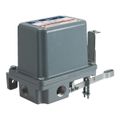
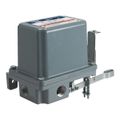

Square D float switches are liquid-level control devices that turn a pump on or off, or trigger an alarm, based on the rising or falling water level in a sump pit, sewage basin, or holding tank. Built around a mechanical or mercury-free tilt mechanism inside a sealed float, these switches are a long-standing standard in sump and sewage ejector applications because of their simple, reliable operation with no electronic components to fail. A single float switch typically controls one pump function, such as turning a pump on at a high water level, while multi-float setups add redundancy or a separate high-water alarm stage above the primary pump control. Contractors select a float switch based on switching function, cord length, and mounting style, since the physical pit or tank size and the number of pumps involved determine how many floats a system needs and how they should be positioned.
Subcategories
- Single-Float Switches: Single-float switches handle one on-off function per unit, most commonly turning a sump or sewage pump on at a set high-water level and off once the level drops. They're the simplest configuration and the most common replacement item on residential sump systems with a single pump. Cord length and float travel range both need to be matched to the pit depth so the switch trips at the correct water level without the float striking the pit wall or pump body. These switches typically mount either directly to the pump or independently via a bracket or rod inside the pit.
- Piggyback Plug Switches: Piggyback plug switches combine the float switch and a standard grounded plug into a single cord assembly that plugs into the wall outlet, with the pump's own cord then plugging into the back of the switch. This design lets a technician add or bypass automatic float control on a pump that otherwise runs manually, without rewiring the pump itself. They're a common upgrade or replacement option on residential sump pumps that originally shipped without integrated float control. Because the switch sits inline in the cord, weight and float travel need to be checked against the specific pit size during installation.
- Multi-Float Control Systems: Multi-float control systems use two or more floats set at different trip heights to manage staged functions, such as a lead pump activation, a lag pump for high-demand periods, and a separate high-water alarm float above both pump stages. These setups are common in duplex sewage ejector systems and larger commercial sump applications where redundancy matters more than in a single residential pump pit. Each float in the system needs to be wired to the correct terminal on a control panel, and float order and spacing inside the pit affects how the whole system stages its response to rising water. Getting float positioning wrong can cause pumps to short-cycle or fail to reach the alarm stage when needed.
Buying Guide
Selecting a Square D float switch starts with identifying the function it needs to perform: a simple single on-off control, a piggyback replacement for an existing pump cord, or one stage in a larger multi-float control panel setup. Single-pump residential applications usually call for a straightforward single-float or piggyback switch, while duplex or commercial sewage systems typically require switches designed to wire into a dedicated control panel with separate lead, lag, and alarm stages.
Cord length and float travel range need to match the physical dimensions of the pit or tank the switch will operate in. A cord that's too short won't let the float reach its intended trip point, while a float with too much travel range in a narrow pit can strike the pit wall, the pump housing, or a discharge pipe before it reaches full travel. Checking pit diameter and depth against the switch's specified travel distance before ordering avoids a switch that technically works but trips inconsistently.
For multi-float installations, float order and vertical spacing inside the pit determine how the whole system responds as water rises, so following the control panel manufacturer's recommended spacing matters more than matching floats to the pit size alone. Voltage and amperage ratings on the switch also need to match the pump or control circuit it's wired into, since exceeding a switch's rated load can cause premature contact failure. Confirming these details against the existing pump or panel documentation before purchase is the most reliable way to avoid an installation that doesn't perform as expected.
Frequently Asked Questions
What's the difference between a single-float switch and a piggyback switch?
A single-float switch is typically wired directly into a pump or control circuit as a standalone component, while a piggyback switch combines the float control with a plug that sits inline between the wall outlet and the pump's own cord. Piggyback switches are popular for retrofitting float control onto a pump that didn't originally include one. Functionally, both perform the same on-off switching job, just with different installation methods.
How many floats does a typical sewage ejector system need?
A basic single-pump sewage ejector system usually needs at least two floats: one to turn the pump on and off, and a separate high-water alarm float set above the pump control point. Duplex systems with two pumps typically add a third or fourth float to stage lead and lag pump operation before the alarm stage triggers. The exact count depends on the control panel's design and the level of redundancy required.
Why is my float switch short-cycling the pump?
Short-cycling often points to a float with too little vertical travel range for the pit, causing it to trip on and off rapidly as water level oscillates near the switch point. It can also happen if the float is mounted too close to the pump discharge or another obstruction that disturbs the water surface. Checking float spacing and travel range against the pit's actual dimensions usually resolves the issue.
Can a mercury float switch be replaced with a mercury-free model?
Yes, mercury-free float switches are designed to perform the same switching function and are now the standard replacement option as mercury-based switches have been phased out. The key is matching cord length, travel range, and switching function to the original unit rather than assuming any float switch will work as a direct swap. Wiring configuration should also be checked against the existing control setup before installation.
What voltage and amperage rating should a float switch have?
The switch's voltage and amperage rating needs to meet or exceed the pump or control circuit it's wired into, since undersizing the switch can cause the contacts to fail prematurely under load. Checking the pump's nameplate rating against the float switch's specification sheet before ordering confirms compatibility. When a switch feeds a control panel rather than a pump directly, the panel manufacturer's wiring documentation should be the reference instead of the pump's rating alone.
