




Filters
SORT
Product Availability –
Review Score –
 --%3E %3Csvg version='1.1' id='Fill' xmlns='http://www.w3.org/2000/svg' xmlns:xlink='http://www.w3.org/1999/xlink' x='0px' y='0px' viewBox='0 0 100 100' enable-background='new 0 0 100 100' xml:space='preserve'%3E %3Cpath fill='%23F15C02' d='M79.44,0.95H20.56C9.78,0.95,0.95,9.78,0.95,20.56v58.87c0,10.79,8.82,19.61,19.61,19.61h58.87 c10.79,0,19.61-8.83,19.61-19.61V20.56C99.05,9.78,90.22,0.95,79.44,0.95z M65.38,58.24l9.38,29.58L49.69,69.78L24.5,87.82 l9.34-29.6L8.8,39.6l30.73-0.17c0,0,6.98-19.61,10-28.93c0.54,1.36,9.88,29.1,9.88,29.1H91.2L65.38,58.24z'/%3E %3C/svg%3E)
Price Range –
Strainers

 --%3E %3Csvg version='1.1' id='No-RB' xmlns='http://www.w3.org/2000/svg' xmlns:xlink='http://www.w3.org/1999/xlink' x='0px' y='0px' viewBox='0 0 100 100' enable-background='new 0 0 100 100' xml:space='preserve'%3E %3Cpath fill='%23CECECE' d='M79.44,0.95H20.56C9.78,0.95,0.95,9.78,0.95,20.56v58.87c0,10.79,8.82,19.61,19.61,19.61h58.87 c10.79,0,19.61-8.83,19.61-19.61V20.56C99.05,9.78,90.22,0.95,79.44,0.95z M65.38,58.24l9.38,29.58L49.69,69.78L24.5,87.82 l9.34-29.6L8.8,39.6l30.73-0.17c0,0,6.98-19.61,10-28.93c0.54,1.36,9.88,29.1,9.88,29.1H91.2L65.38,58.24z'/%3E %3C/svg%3E)





 --%3E %3Csvg version='1.1' id='Half' xmlns='http://www.w3.org/2000/svg' xmlns:xlink='http://www.w3.org/1999/xlink' x='0px' y='0px' viewBox='0 0 100 100' enable-background='new 0 0 100 100' xml:space='preserve'%3E %3Cg%3E %3Cpath fill='%23F15C02' d='M30.05,70.23l3.79-12.01L8.8,39.6l30.73-0.17c0,0,6.98-19.61,10-28.93c0.54,1.36,9.88,29.1,9.88,29.1h1.58 L93.71,7.18c-3.58-3.82-8.66-6.23-14.28-6.23H20.56C9.78,0.95,0.95,9.78,0.95,20.56v58.87c0,5.41,2.22,10.32,5.79,13.88 L30.05,70.23z'/%3E %3C/g%3E %3Cpath fill='%23FBC8B4' d='M93.71,7.18L60.98,39.6H91.2L65.38,58.24l9.38,29.58L49.69,69.78L24.5,87.82l5.55-17.59L6.75,93.32 c3.55,3.54,8.44,5.73,13.82,5.73h58.87c10.79,0,19.61-8.83,19.61-19.61V20.56C99.05,15.4,97.01,10.69,93.71,7.18z'/%3E %3C/svg%3E)

Strainers are mechanical filtration devices installed in plumbing and hydronic piping systems to capture sediment, scale, and debris before it reaches pumps, valves, water meters, and other sensitive components downstream. A Y-strainer routes flow through a removable perforated or wire-mesh screen housed in an angled body, while a basket strainer uses a larger-capacity cartridge suited to higher-flow commercial lines. Both styles rely on a blowdown or drain port so technicians can flush trapped debris without disassembling the entire fitting. Contractors specify strainers ahead of boilers, chillers, water meters, and backflow preventers because a clogged strainer is far easier and less disruptive to service than a damaged pump impeller or a fouled valve seat. Choosing the right body material and connection type for a line's pressure and temperature keeps pressure drop low and extends the service life of every component installed downstream.
Subcategories
- Y-Strainers: Y-strainers use an angled body that houses a removable screen inline with the pipe run, making them a standard choice ahead of pumps, meters, and control valves in both potable water and hydronic heating systems. Plumbers and mechanical contractors favor the design because the screen can be pulled for cleaning without cutting into the line. Bronze and iron bodies cover most residential and light commercial jobs, while stainless steel versions handle more corrosive or high-temperature applications.
- Basket Strainers: Basket strainers hold a larger-capacity perforated basket inside a bolted housing, giving them more dirt-holding capacity than a comparable Y-strainer. Mechanical contractors install them on chiller and cooling tower loops, fire protection systems, and other higher-flow commercial lines where frequent cleanouts would be impractical. A bolted top cover allows the basket to be removed straight up for service, which keeps maintenance downtime short.
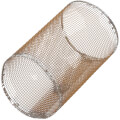
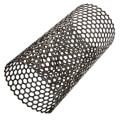
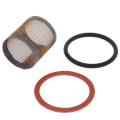
- Replacement Screens & Baskets: Replacement screens and baskets let a contractor restore a strainer's original filtration performance without replacing the entire fitting body. Matching the mesh count and material to the original element keeps flow capacity and particle capture consistent with the system's design. Stocking a few common sizes on the truck avoids a return trip when an old screen is corroded or torn beyond reuse.
- Tee-Type Strainers: Tee-type strainers use a straight-through body instead of an angled leg, which suits tight mechanical rooms where a Y-strainer's offset would not fit. The straight-line design keeps pressure drop predictable and simplifies pipe routing in crowded retrofit installations. Contractors often reach for this style on service and repair work where matching existing pipe geometry matters more than raw capacity.
Buying Guide
Selecting the right strainer starts with matching body material to the fluid and environment: bronze and iron bodies handle typical potable water and hydronic heating temperatures, while stainless steel resists corrosion in aggressive water chemistry or higher-temperature process lines. Connection type matters just as much as material. Threaded connections suit smaller residential and light commercial branch lines, sweat connections work well on copper systems, and flanged bodies are the norm on larger commercial mains where the strainer needs to be removed for service without cutting pipe.
Screen or basket selection should follow the fluid and the equipment being protected: a finer mesh guards a sensitive pump seal or control valve, while a coarser screen is enough to catch larger debris ahead of a simple shutoff. Strainers installed on suction lines ahead of a circulator or booster pump deserve particular attention, since a screen that is too fine raises pressure drop and can starve the pump under load.
Pressure rating and maximum operating temperature should always match or exceed the system's design conditions, not just its typical operating point. A blowdown valve on the strainer body makes routine cleanout far faster, since trapped debris can be flushed without removing the screen. Orientation also matters, since a Y-strainer needs enough clearance below the leg to pull the screen, so mechanical room layout should be checked before specifying a model.
Frequently Asked Questions
What's the difference between a Y-strainer and a basket strainer?
A Y-strainer uses a smaller screen in an angled body and works well on branch lines protecting a single pump or valve. A basket strainer holds a larger-capacity element in a bolted housing, making it better suited to high-flow commercial lines where cleanouts need to happen less often.
How is a strainer screen cleaned?
Most strainers include a blowdown or drain port that lets trapped debris flush out without removing the screen. For heavier buildup, the cover or cap can be removed and the screen pulled, rinsed, and reinstalled. Isolation valves on either side of the strainer make this a quick job on a properly designed system.
Does a strainer need a bypass valve?
A bypass valve is common on strainers protecting critical equipment, such as a boiler feed pump or a fire protection system, so the line stays in service while the screen is being cleaned. Smaller residential and light commercial installations often skip the bypass since the system can tolerate a brief shutdown for maintenance.
What mesh size is right for a hydronic heating system?
Mesh selection depends on the equipment being protected. A finer mesh is typically specified ahead of a circulator pump or zone valve, while a coarser screen is often enough for a simple boiler feed line. Checking the pump or valve manufacturer's own filtration recommendation is the most reliable way to size the screen correctly.
Can a Y-strainer be installed in any orientation?
Most Y-strainer models are designed to be installed with the leg pointing down or to the side so the screen can be pulled for service and sediment settles into the leg rather than the pipe run. Checking the specific model's installation instructions before mounting avoids a strainer that traps air or blocks flow.
