




Filters
SORT
Product Availability –
Finish –
Shape –
Size –
Review Score –
 --%3E %3Csvg version='1.1' id='Fill' xmlns='http://www.w3.org/2000/svg' xmlns:xlink='http://www.w3.org/1999/xlink' x='0px' y='0px' viewBox='0 0 100 100' enable-background='new 0 0 100 100' xml:space='preserve'%3E %3Cpath fill='%23F15C02' d='M79.44,0.95H20.56C9.78,0.95,0.95,9.78,0.95,20.56v58.87c0,10.79,8.82,19.61,19.61,19.61h58.87 c10.79,0,19.61-8.83,19.61-19.61V20.56C99.05,9.78,90.22,0.95,79.44,0.95z M65.38,58.24l9.38,29.58L49.69,69.78L24.5,87.82 l9.34-29.6L8.8,39.6l30.73-0.17c0,0,6.98-19.61,10-28.93c0.54,1.36,9.88,29.1,9.88,29.1H91.2L65.38,58.24z'/%3E %3C/svg%3E)
 --%3E %3Csvg version='1.1' id='With-RB' xmlns='http://www.w3.org/2000/svg' xmlns:xlink='http://www.w3.org/1999/xlink' x='0px' y='0px' viewBox='0 0 100 100' enable-background='new 0 0 100 100' xml:space='preserve'%3E %3Cpath fill='%23FBC8B4' d='M79.44,0.95H20.56C9.78,0.95,0.95,9.78,0.95,20.56v58.87c0,10.79,8.82,19.61,19.61,19.61h58.87 c10.79,0,19.61-8.83,19.61-19.61V20.56C99.05,9.78,90.22,0.95,79.44,0.95z M65.38,58.24l9.38,29.58L49.69,69.78L24.5,87.82 l9.34-29.6L8.8,39.6l30.73-0.17c0,0,6.98-19.61,10-28.93c0.54,1.36,9.88,29.1,9.88,29.1H91.2L65.38,58.24z'/%3E %3C/svg%3E)
Price Range –
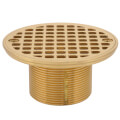
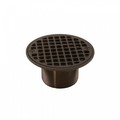
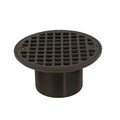
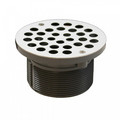
Strainers with Spuds




 --%3E %3Csvg version='1.1' id='Half' xmlns='http://www.w3.org/2000/svg' xmlns:xlink='http://www.w3.org/1999/xlink' x='0px' y='0px' viewBox='0 0 100 100' enable-background='new 0 0 100 100' xml:space='preserve'%3E %3Cg%3E %3Cpath fill='%23F15C02' d='M30.05,70.23l3.79-12.01L8.8,39.6l30.73-0.17c0,0,6.98-19.61,10-28.93c0.54,1.36,9.88,29.1,9.88,29.1h1.58 L93.71,7.18c-3.58-3.82-8.66-6.23-14.28-6.23H20.56C9.78,0.95,0.95,9.78,0.95,20.56v58.87c0,5.41,2.22,10.32,5.79,13.88 L30.05,70.23z'/%3E %3C/g%3E %3Cpath fill='%23FBC8B4' d='M93.71,7.18L60.98,39.6H91.2L65.38,58.24l9.38,29.58L49.69,69.78L24.5,87.82l5.55-17.59L6.75,93.32 c3.55,3.54,8.44,5.73,13.82,5.73h58.87c10.79,0,19.61-8.83,19.61-19.61V20.56C99.05,15.4,97.01,10.69,93.71,7.18z'/%3E %3C/svg%3E)

 --%3E %3Csvg version='1.1' id='No-RB' xmlns='http://www.w3.org/2000/svg' xmlns:xlink='http://www.w3.org/1999/xlink' x='0px' y='0px' viewBox='0 0 100 100' enable-background='new 0 0 100 100' xml:space='preserve'%3E %3Cpath fill='%23CECECE' d='M79.44,0.95H20.56C9.78,0.95,0.95,9.78,0.95,20.56v58.87c0,10.79,8.82,19.61,19.61,19.61h58.87 c10.79,0,19.61-8.83,19.61-19.61V20.56C99.05,9.78,90.22,0.95,79.44,0.95z M65.38,58.24l9.38,29.58L49.69,69.78L24.5,87.82 l9.34-29.6L8.8,39.6l30.73-0.17c0,0,6.98-19.61,10-28.93c0.54,1.36,9.88,29.1,9.88,29.1H91.2L65.38,58.24z'/%3E %3C/svg%3E)
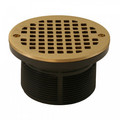

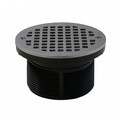
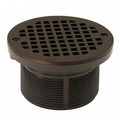

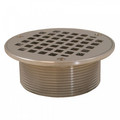
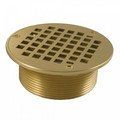
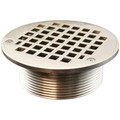
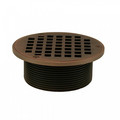
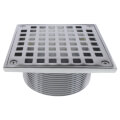
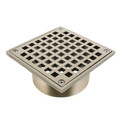

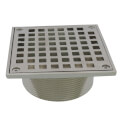
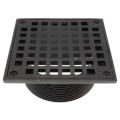

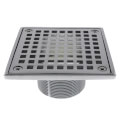
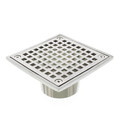
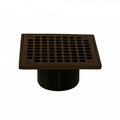
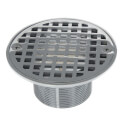
Strainers with Spuds are drain fittings that pair a strainer head with a threaded spud, the fitting that connects the strainer body to a floor or shower drain outlet.
Plumbers and facility maintenance crews install them to keep debris, hair, and sediment out of waste lines while allowing quick strainer replacement without pulling the entire drain body.
Many floor drain strainers in this category are built to meet ASME A112.6.3, the standard that governs performance for floor and trench drains.
Strainer heads come in round and square profiles and in materials such as cast iron, nickel bronze, and stainless steel, so a contractor can match a strainer to the traffic level and finish of a bathroom, kitchen, or mechanical room.
Because the spud threads into a fixed drain body, matching thread size and strainer diameter matters as much as material choice.
Matching that fit correctly the first time avoids a callback and keeps water moving as intended.
Subcategories
- Floor Drain Strainers with Spuds: Installed in mechanical rooms, commercial kitchens, and basements, these strainers thread onto a floor drain spud and are often built to meet ASME A112.6.3, the standard covering floor and trench drain performance. Cast iron and nickel bronze are common material choices for heavier foot traffic areas.
- Shower Drain Strainers with Spuds: Sized for residential and light commercial bathrooms, shower strainers thread onto a spud set into the shower drain body so the strainer head can be swapped without disturbing the drain line. Chrome and polished brass finishes are common choices that match surrounding bath fixtures.
- Round Strainers: Round profiles are the most common strainer shape for both floor and shower applications and thread directly onto a round spud opening. Installers use round strainers where a drain sits away from walls or corners in open floor space.
- Square Strainers: Square strainers fit square spud openings and are often specified for tiled floors where the strainer sits flush with grout lines. Jay R. Smith and similar manufacturers offer square strainer heads alongside round profiles in several materials.
Buying Guide
Start with the drain body already installed or specified, since spud size and thread pattern determine which strainer will fit.
Measure the existing spud diameter and thread count before ordering a replacement strainer head, and confirm whether the opening is round or square.
Traffic level comes next: a mechanical room or commercial kitchen floor drain needs a strainer built for heavier loads, often cast iron or nickel bronze, while a residential shower strainer can use lighter materials finished in chrome or polished brass to match bathroom fixtures.
For commercial installations, checking that the strainer meets ASME A112.6.3 keeps the installation aligned with the standard that inspectors and specifiers reference for floor and trench drains.
Strainers with Spuds are sold separately from drain bodies in most cases, so replacing a worn or clogged strainer rarely means replacing the whole drain assembly, which saves labor on service calls.
Water exposure matters too: strainers installed in wet, high humidity areas like locker rooms or commercial kitchens hold up better in corrosion resistant materials such as stainless steel or nickel bronze compared to plain cast iron.
Matching the finish to surrounding fixtures matters on visible installations such as bathroom showers, since a mismatched strainer stands out even when it functions correctly.
Confirming spud thread compatibility against a manufacturer chart before ordering avoids a mismatched part and a second trip to the job site.
Frequently Asked Questions
What does "spud" mean on a drain strainer?
A spud is the threaded fitting that connects a strainer body to the drain outlet in a floor or shower drain. Spud size and thread pattern determine which strainer heads will fit a given drain, so matching them correctly is necessary before ordering a replacement.
Can a strainer be replaced without replacing the whole drain body?
In most cases a worn strainer head threads off the spud and a new one threads on, leaving the drain body in place. Confirming the spud size and thread pattern first prevents ordering a strainer that will not seat properly.
What is the difference between round and square strainers?
Round strainers fit standard round drain openings and work well in open floor areas, while square strainers are sized for square openings often used on tiled floors. Choosing between them depends on the shape of the existing drain opening rather than personal preference.
What standard applies to commercial floor drain strainers?
Many floor drain strainers are built to meet ASME A112.6.3, the standard referenced by inspectors and specifiers for floor and trench drain performance. Confirming compliance matters most on commercial jobs where inspection sign off is required.
What material holds up best in wet commercial environments?
Stainless steel and nickel bronze strainers resist corrosion better than plain cast iron in commercial kitchens, locker rooms, and other high humidity areas. Cast iron remains a common choice for lower moisture, heavier traffic locations such as mechanical rooms.
