




Filters
SORT
Product Availability –
Review Score –
 --%3E %3Csvg version='1.1' id='Fill' xmlns='http://www.w3.org/2000/svg' xmlns:xlink='http://www.w3.org/1999/xlink' x='0px' y='0px' viewBox='0 0 100 100' enable-background='new 0 0 100 100' xml:space='preserve'%3E %3Cpath fill='%23F15C02' d='M79.44,0.95H20.56C9.78,0.95,0.95,9.78,0.95,20.56v58.87c0,10.79,8.82,19.61,19.61,19.61h58.87 c10.79,0,19.61-8.83,19.61-19.61V20.56C99.05,9.78,90.22,0.95,79.44,0.95z M65.38,58.24l9.38,29.58L49.69,69.78L24.5,87.82 l9.34-29.6L8.8,39.6l30.73-0.17c0,0,6.98-19.61,10-28.93c0.54,1.36,9.88,29.1,9.88,29.1H91.2L65.38,58.24z'/%3E %3C/svg%3E)
Price Range –
Taco Zone Valve Controls




 --%3E %3Csvg version='1.1' id='No-RB' xmlns='http://www.w3.org/2000/svg' xmlns:xlink='http://www.w3.org/1999/xlink' x='0px' y='0px' viewBox='0 0 100 100' enable-background='new 0 0 100 100' xml:space='preserve'%3E %3Cpath fill='%23CECECE' d='M79.44,0.95H20.56C9.78,0.95,0.95,9.78,0.95,20.56v58.87c0,10.79,8.82,19.61,19.61,19.61h58.87 c10.79,0,19.61-8.83,19.61-19.61V20.56C99.05,9.78,90.22,0.95,79.44,0.95z M65.38,58.24l9.38,29.58L49.69,69.78L24.5,87.82 l9.34-29.6L8.8,39.6l30.73-0.17c0,0,6.98-19.61,10-28.93c0.54,1.36,9.88,29.1,9.88,29.1H91.2L65.38,58.24z'/%3E %3C/svg%3E)


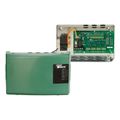
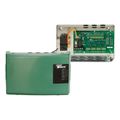
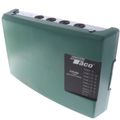
Taco zone valve controls are the switching relays and control panels that coordinate multiple zone valves in a hydronic heating system, turning the boiler and circulator on when any zone calls for heat and shutting everything down once every zone is satisfied. Rather than wiring each zone valve directly to the boiler and circulator, a zone valve control acts as the central point that reads a signal from each thermostat, opens the correct zone valve, and fires the heat source only when needed. Hydronic technicians install or replace these controls on multi-zone residential and light commercial systems where baseboard, radiant, or fan coil zones each need independent thermostat control from a single boiler. A typical control panel includes a terminal block for multiple zone valve and thermostat connections plus indicator lights that make troubleshooting a specific zone faster during a service call. Matching the control's zone count to the number of valves already installed, or planned for a zoning upgrade, is the starting point for any replacement or new installation.
Subcategories
- Zone Valve Switching Relays: Switching relays are compact controls that manage a small number of zone valves, typically used on systems with only a couple of heating zones. Each relay accepts a thermostat signal and end switch wiring from its zone valve, then closes a common circuit that fires the boiler and circulator. Technicians favor these smaller relays on straightforward residential retrofits where a full zone panel would be more capacity than the job needs. Indicator lights on the relay housing show which zone is currently calling for heat, which speeds up troubleshooting.
- Multi-Zone Control Panels: Multi-zone control panels handle a larger number of independent heating zones from a single enclosure, common on larger homes or light commercial buildings with several distinct heating areas. Each zone gets its own terminal connections for thermostat and zone valve wiring, and the panel coordinates priority and boiler firing logic across all of them. Panels are typically expandable in modules, letting an installer add zones later without swapping the entire control. Labeling each zone clearly at install time makes future service calls faster for any technician who did not do the original install.
- Priority and Domestic Hot Water Controls: Priority controls give one zone, most often domestic hot water, precedence over space heating zones when both call for heat at the same time. Priority logic matters most on combination systems where an indirect water heater shares the same boiler as the heating zones, since running out of hot water is usually less acceptable to a homeowner than a brief delay in space heating. Some multi-zone panels build this priority logic in directly, while other systems use a dedicated add-on control. Confirming whether priority logic is needed before wiring a new zone valve control avoids a callback to add it later.
Buying Guide
Selecting a zone valve control starts with counting the actual number of zones on the job, then adding a zone or two of spare capacity if the customer has mentioned any future renovation plans that might add another heating zone. A small switching relay is usually the right fit for a two or three zone residential system, while anything larger benefits from a modular multi-zone panel that can expand without a full control swap down the road. Voltage compatibility between the control, the zone valves, and the existing thermostats needs to be confirmed before ordering, since mismatched voltage is one of the more common causes of a control that appears dead on arrival.
Domestic hot water priority is worth flagging early in the buying decision on any system where an indirect water heater shares the boiler with space heating zones, since retrofitting priority logic after the fact usually means adding a separate control rather than a simple panel swap. Taco Zone Valve Controls with clear per-zone indicator lights make troubleshooting easier for whoever services the system next, which is a real consideration on rental properties or larger buildings serviced by more than one technician. Terminal block layout and wire gauge compatibility should also be checked against the existing wiring at rough-in, since older systems sometimes use wire that is undersized for a larger replacement panel.
Frequently Asked Questions
How many zones can one zone valve control handle?
Zone valve controls range from small relays built for two or three zones up to modular panels that expand to handle many more zones in a single enclosure. The right size depends on the actual number of zone valves installed or planned for the system. Choosing a panel with a spare zone or two built in avoids a full replacement if another zone gets added later.
What is zone priority and when is it needed?
Zone priority logic gives one zone, most commonly domestic hot water through an indirect tank, precedence over space heating zones when both call for heat simultaneously. It matters most on combination systems sharing one boiler between hot water and space heating. Confirming whether the system needs priority logic before wiring avoids having to add a separate control after the fact.
Can an existing switching relay be replaced with a larger panel?
Yes, upgrading from a small switching relay to a larger multi-zone panel is a common retrofit when a heating system gains additional zones during a renovation. The existing zone valve and thermostat wiring can typically reconnect to the new panel's terminal blocks with minimal rewiring. Confirming wire gauge and terminal compatibility ahead of the swap prevents surprises during installation.
What causes a zone valve control to fail?
Failed relays inside the control, loose or corroded terminal connections, and blown internal fuses are among the most common failure points on a zone valve control. A control that shows no indicator lights at all often points to a power supply or transformer issue upstream of the control itself. Checking incoming voltage before replacing the whole control can save an unnecessary parts swap.
Do all zone valves need a matching brand of control?
Zone valve controls are generally compatible with zone valves from multiple manufacturers as long as the end switch wiring and voltage match, though pairing valves and controls from the same product line simplifies wiring and troubleshooting. Reading the wiring diagrams for both the valve and the control before installation confirms compatibility. Mismatched end switch types are the most common source of a valve and control that will not work together correctly.
