



Tekton

 --%3E %3Csvg version='1.1' id='No-RB' xmlns='http://www.w3.org/2000/svg' xmlns:xlink='http://www.w3.org/1999/xlink' x='0px' y='0px' viewBox='0 0 100 100' enable-background='new 0 0 100 100' xml:space='preserve'%3E %3Cpath fill='%23CECECE' d='M79.44,0.95H20.56C9.78,0.95,0.95,9.78,0.95,20.56v58.87c0,10.79,8.82,19.61,19.61,19.61h58.87 c10.79,0,19.61-8.83,19.61-19.61V20.56C99.05,9.78,90.22,0.95,79.44,0.95z M65.38,58.24l9.38,29.58L49.69,69.78L24.5,87.82 l9.34-29.6L8.8,39.6l30.73-0.17c0,0,6.98-19.61,10-28.93c0.54,1.36,9.88,29.1,9.88,29.1H91.2L65.38,58.24z'/%3E %3C/svg%3E)

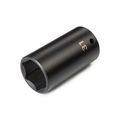
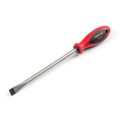
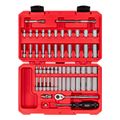
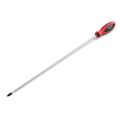
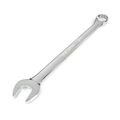

Tekton traces its origins to 1963, when founder Attallah Amash built a hand tool business that grew from door-to-door sales into a family-owned manufacturer. The company is headquartered in Grand Rapids, Michigan, and is currently led by CEO John Amash alongside his brother Jeff Amash, who serves as Chief Information Officer.
Since the brothers joined the business, Tekton has shifted from primarily importing and distributing tools toward direct manufacturing, including in-house CNC machining, broaching, laser engraving, vibratory polishing, and pressing at its Michigan facility.
Product Lines
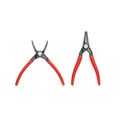
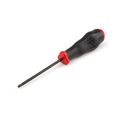
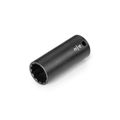
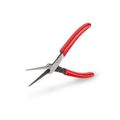
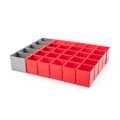
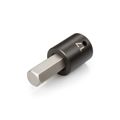
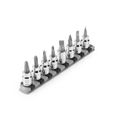
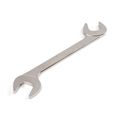
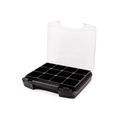
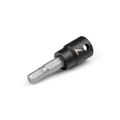
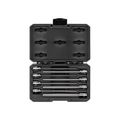
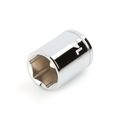
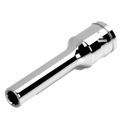
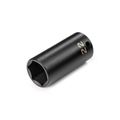
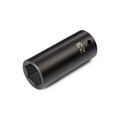
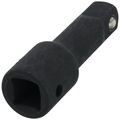
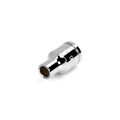
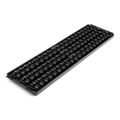
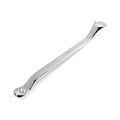
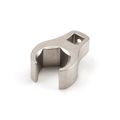
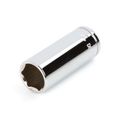
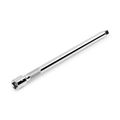
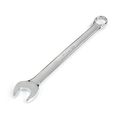
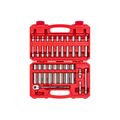
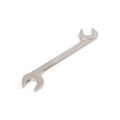
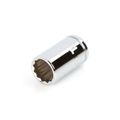
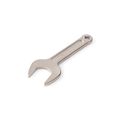
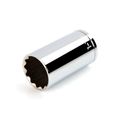
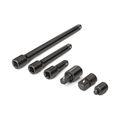
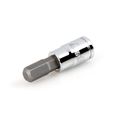
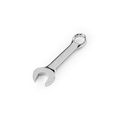
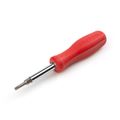
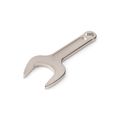
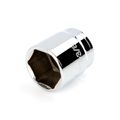
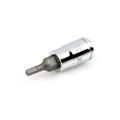
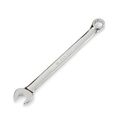
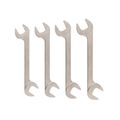
The Tekton lineup carried on SupplyHouse centers on hand drive sockets and ratchets, impact sockets, wrenches, screwdrivers, and pliers, organized as complete systems rather than piecemeal offerings. Organization products, including tool-specific holders and larger cabinets, round out the catalog so crews can keep sets sorted on the truck or in the shop.
Production is spread across several countries, with the majority of tools made in Taiwan and a smaller but growing share manufactured in the United States, along with limited volume from Canada, Germany, and Poland.
Why Contractors Specify Tekton
Tradespeople who service equipment reach for Tekton because the company builds sockets and wrenches as complete, consistently sized systems rather than partial sets with gaps in the sizing run. That completeness matters on service calls where a missing size means a second trip.
Tekton also publishes manufacturing origin and material details on individual product pages, which lets contractors evaluate the specific tool being purchased rather than relying on a blanket brand claim.
How to Choose Tekton Products
Choosing the right Tekton socket or wrench set starts with drive size, matching quarter inch, three eighths inch, or half inch drive to the ratchets and impact tools already in a tool bag. Impact sockets should be selected over standard chrome sockets whenever the tool will see regular use with an impact wrench, since impact-rated sockets are built to handle the repeated torque and shock load that standard sockets are not designed for.
Contractors working in both metric and SAE environments should check whether a set covers both unit systems or whether separate sets are needed. For pliers and screwdrivers, matching handle style and tip type to the fastener and workspace, tight quarters versus open bench work, helps narrow the options within the catalog.
Frequently Asked Questions
Where are Tekton tools made?
Manufacturing is spread across several countries, with the largest share of tools made in Taiwan and a smaller, growing portion produced in the United States, plus limited volume from Canada, Germany, and Poland.
What is the difference between Tekton's standard sockets and impact sockets?
Impact sockets are built to withstand the repeated torque and shock load of impact wrenches, while standard drive sockets are intended for hand ratchet use and are not rated for impact tools.
Does Tekton sell tools in both metric and SAE sizes?
Sockets, wrenches, and related sets are offered in both metric and SAE sizing, and it is worth confirming which unit system a given set covers before ordering.
Is Tekton a good fit for contractors who need complete socket sets without missing sizes?
Tekton builds its drive tool systems as complete sets with consistent sizing across the run, which is a stated priority of the company's product philosophy.
Who owns Tekton tools?
Tekton is a family-owned company currently led by CEO John Amash and his brother Jeff Amash, who serves as Chief Information Officer.
