




ThermoDrain Drain Water Heat Recovery


 --%3E %3Csvg version='1.1' id='No-RB' xmlns='http://www.w3.org/2000/svg' xmlns:xlink='http://www.w3.org/1999/xlink' x='0px' y='0px' viewBox='0 0 100 100' enable-background='new 0 0 100 100' xml:space='preserve'%3E %3Cpath fill='%23CECECE' d='M79.44,0.95H20.56C9.78,0.95,0.95,9.78,0.95,20.56v58.87c0,10.79,8.82,19.61,19.61,19.61h58.87 c10.79,0,19.61-8.83,19.61-19.61V20.56C99.05,9.78,90.22,0.95,79.44,0.95z M65.38,58.24l9.38,29.58L49.69,69.78L24.5,87.82 l9.34-29.6L8.8,39.6l30.73-0.17c0,0,6.98-19.61,10-28.93c0.54,1.36,9.88,29.1,9.88,29.1H91.2L65.38,58.24z'/%3E %3C/svg%3E)
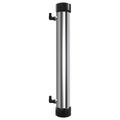

ThermoDrain drain water heat recovery units capture heat from warm water leaving a shower or bath drain and transfer it to incoming cold water before that water reaches a fixture or water heater. A ThermoDrain unit wraps a copper coil around a vertical drain pipe, drawing heat directly off the falling drain water without any moving parts or external power source. Preheating the cold supply line running to a shower valve or water heater inlet reduces how hard the water heater has to work to bring water back up to setpoint temperature. Plumbers often specify these units in new construction and gut renovations, since the drain stack is already open and accessible during rough-in. Because the coil mounts directly on an existing drain run, confirming stack orientation and available clearance early in the rough-in phase avoids rework after walls are closed. ThermoDrain units connect to copper drain stacks using fittings already familiar to plumbers working on residential DWV systems.
Subcategories
- Equal Flow Units: Equal flow units split preheated water evenly between the water heater feed and the fixture's cold-water side, so both the incoming shower valve and the water heater benefit from recovered heat at the same time. Plumbers typically choose this configuration for single-fixture showers where both supply lines are easy to route to the coil. Balancing the two outputs correctly during installation keeps the shower from feeling underpowered on the cold side. Equal flow models suit most standard residential bathroom layouts.
- Unequal Flow Units: Unequal flow units send the majority of preheated water to the water heater feed rather than splitting it evenly with the fixture. Plumbers select this configuration when the main goal is reducing water heater run time rather than tempering the shower's cold supply directly. This setup works well in homes with multiple fixtures drawing from one water heater. Unequal flow models are common in retrofit projects where fixture piping is harder to reroute.
- Vertical Drain Installation Kits: Vertical drain installation kits include the couplings and clamps needed to mount a ThermoDrain coil onto an existing vertical drain stack. Correct orientation matters, since the units rely on drain water forming a thin film along the pipe wall as it falls. Plumbers should confirm the stack has enough straight vertical run before ordering a kit. These kits are sized to match common drain pipe diameters found in residential construction.
- Mounting and Connection Accessories: Mounting and connection accessories cover the clamps, unions, and insulation used to secure a coil to the drain stack and connect it to supply piping. Proper insulation around the coil helps prevent condensation from forming on the copper surface. Plumbers typically stock extra clamps and unions for jobs where the existing drain stack has been modified from original code specifications. Correct accessory selection keeps the installation watertight and code compliant.
Buying Guide
Selecting the right ThermoDrain Drain Water Heat Recovery unit starts with confirming the drain stack is vertical for a long enough run, since the coil depends on drain water forming a falling film rather than pooling or splashing inside the pipe. Plumbers should measure the existing drain pipe diameter before ordering, as coils are sized to specific pipe dimensions and a mismatched coil will not seat properly. Deciding between an equal flow and unequal flow configuration depends on the fixture layout: equal flow suits a single shower where both the fixture and water heater lines can be routed to the coil, while unequal flow fits better when the priority is reducing water heater workload across multiple fixtures. New construction and full bathroom renovations are the easiest points to install a unit, since the drain stack is open and unfinished walls make routing supply lines simple. Retrofitting an existing home is possible but requires opening a wall section to access the vertical drain run, which adds labor time to the job. Checking local plumbing code for any restrictions on drain water heat recovery installation before quoting a job helps avoid a failed inspection. Contractors working in colder climates often find these units pay for themselves in reduced water heater demand faster than in milder regions, since incoming cold water starts at a lower temperature. Confirming available clearance around the drain stack for coil installation before purchase prevents ordering a unit that will not fit the space.
Frequently Asked Questions
Does a ThermoDrain unit require electrical power to operate?
No. ThermoDrain units are passive heat exchangers with no moving parts or power connection. Heat transfers directly from the falling drain water to the copper coil and into the cold supply line. This makes installation simpler since no electrical rough-in is needed.
Can a ThermoDrain unit be installed on a horizontal drain run?
No. These units require a vertical drain stack so drain water forms a thin film along the pipe wall as it falls past the coil. A horizontal run would cause water to pool rather than flow correctly across the heat exchange surface. Plumbers should confirm stack orientation before quoting an installation.
How much vertical drain pipe is needed to install a coil?
The coil itself requires enough straight vertical pipe to mount without interference from fittings or transitions. Plumbers should check the specific unit's installation instructions for exact clearance requirements before rough-in. Confirming this early avoids having to relocate the drain run mid-project.
Is a ThermoDrain unit compatible with any water heater type?
These units preheat incoming cold water before it reaches the water heater, so they work upstream of tank, tankless, and indirect water heaters alike. The preheated water simply arrives at the water heater already warmer than the incoming main supply. No changes to the water heater itself are required.
Can one ThermoDrain unit serve multiple fixtures?
A single unit is typically installed on the main drain stack serving one or more fixtures that share that vertical run, so it can benefit multiple fixtures draining into the same stack. Unequal flow configurations are often chosen in this situation to maximize water heater benefit across fixtures. Plumbers should map the drain layout carefully before selecting a configuration.
