




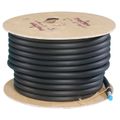
TracPipe Underground Gas Pipe

 --%3E %3Csvg version='1.1' id='No-RB' xmlns='http://www.w3.org/2000/svg' xmlns:xlink='http://www.w3.org/1999/xlink' x='0px' y='0px' viewBox='0 0 100 100' enable-background='new 0 0 100 100' xml:space='preserve'%3E %3Cpath fill='%23CECECE' d='M79.44,0.95H20.56C9.78,0.95,0.95,9.78,0.95,20.56v58.87c0,10.79,8.82,19.61,19.61,19.61h58.87 c10.79,0,19.61-8.83,19.61-19.61V20.56C99.05,9.78,90.22,0.95,79.44,0.95z M65.38,58.24l9.38,29.58L49.69,69.78L24.5,87.82 l9.34-29.6L8.8,39.6l30.73-0.17c0,0,6.98-19.61,10-28.93c0.54,1.36,9.88,29.1,9.88,29.1H91.2L65.38,58.24z'/%3E %3C/svg%3E)


TracPipe Underground Gas Pipe is a corrugated stainless steel tubing system built with an integral polyethylene sleeve for direct burial in natural gas and propane installations. Plumbers and gas fitters use it to run fuel lines from a meter or tank to a building without the labor of threading and joining rigid pipe underground. The tubing is manufactured from 300 series stainless steel conforming to ASTM A240, rated for a standard working pressure of 25 psi, and the underground version pairs with brass fittings tested and listed by CSA International for concealed use.
It's available in seven sizes ranging from 3/8 inch to 2 inches, giving installers flexibility to match pipe diameter to the gas load a project requires. Because the polyethylene jacket protects the stainless tubing from soil contact and moisture, the system holds up to direct burial in ways that bare metal pipe cannot, which matters on any job where digging the trench back up later isn't an option worth risking.
Subcategories
- 3/8 Inch to 3/4 Inch Pipe: Smaller diameter TracPipe sizes fit individual appliance branch lines and smaller residential services where gas load stays modest. Installers use these sizes for runs feeding a single furnace, water heater, or range rather than an entire building. The stainless tubing still carries the same polyethylene direct-burial jacket as larger sizes.
- 1 Inch to 1-1/4 Inch Pipe: Mid-range sizes are available with an elevated pressure option beyond the standard 25 psi rating, giving installers headroom on jobs designed around higher-pressure gas delivery. Installers commonly run this range as the main underground line feeding a residential or light commercial meter. Sizing up from smaller branch lines to this range is common on larger homes with multiple gas appliances.
- 1-1/2 Inch to 2 Inch Pipe: The largest TracPipe sizes serve commercial and industrial buildings with higher total gas demand, still built to the same 300 series stainless steel and ASTM A240 specification as smaller sizes. Contractors specify these sizes for main service runs from a meter set to a building where multiple large appliances or boilers draw from a single line. Fitting and burial requirements match the rest of the underground product line.
- Brass Underground Fittings: Underground TracPipe pairs with brass fittings tested and listed by CSA International specifically for concealed, direct-burial use. Gas fitters use these fittings to make the transition between underground pipe and above-grade connections at the meter or appliance. The CSA listing gives inspectors a clear compliance mark to check for during underground gas rough-in.
Buying Guide
Start with the gas load calculation for the building, since that number drives pipe diameter more than any other factor. TracPipe Underground Gas Pipe comes in seven sizes from 3/8 inch through 2 inches, and undersizing the run restricts flow to appliances while oversizing adds unnecessary material cost to the job. Next, check the pressure system the installation is designed around. Standard TracPipe carries a rating of 25 psi, and select sizes are available with an elevated pressure option for systems designed to run at higher pressure, so confirming which pressure class the project calls for prevents a mismatch between pipe and the rest of the gas system.
Trench depth and burial conditions matter just as much as pipe selection. The polyethylene sleeve protects the stainless tubing from soil and moisture, but local code still sets minimum burial depth and separation requirements from other utilities, so checking those figures against the site plan before digging saves a return trip. Fittings need to carry a CSA International listing for concealed, underground use specifically, since fittings rated only for exposed indoor runs won't pass inspection below grade. Finally, confirm local code accepts CSST for underground gas distribution before bidding the job, since adoption varies by jurisdiction and an inspector working from an older code cycle may require additional documentation or a different pipe material altogether.
Frequently Asked Questions
What sizes does TracPipe Underground Gas Pipe come in?
TracPipe Underground Gas Pipe is manufactured in seven sizes ranging from 3/8 inch through 2 inches. Matching the size to the calculated gas load for the building keeps flow adequate to every appliance on the line.
Does underground TracPipe need special fittings?
Underground installations require brass fittings tested and listed by CSA International for concealed, direct-burial use. Fittings rated only for exposed indoor runs aren't built for below-grade conditions and won't satisfy an inspection.
What pressure rating does TracPipe underground pipe carry?
Standard TracPipe carries a 25 psi rating, and select sizes offer an elevated pressure option for systems designed around higher operating pressure. Confirming which pressure class a project needs before ordering avoids a mismatch with the rest of the gas system.
Is TracPipe safe to bury directly in soil?
The underground version includes an integral polyethylene sleeve over the stainless steel tubing specifically for direct burial. The polyethylene sleeve protects the tubing from soil contact and moisture, though local code still sets minimum trench depth and separation requirements that need to be checked on every job.
What material is TracPipe made from?
TracPipe is manufactured from 300 series stainless steel conforming to ASTM A240. The corrugated design gives the tubing flexibility for routing around obstacles that would require multiple fittings with rigid pipe.
