




Water Coolers and Drinking Fountains

 --%3E %3Csvg version='1.1' id='No-RB' xmlns='http://www.w3.org/2000/svg' xmlns:xlink='http://www.w3.org/1999/xlink' x='0px' y='0px' viewBox='0 0 100 100' enable-background='new 0 0 100 100' xml:space='preserve'%3E %3Cpath fill='%23CECECE' d='M79.44,0.95H20.56C9.78,0.95,0.95,9.78,0.95,20.56v58.87c0,10.79,8.82,19.61,19.61,19.61h58.87 c10.79,0,19.61-8.83,19.61-19.61V20.56C99.05,9.78,90.22,0.95,79.44,0.95z M65.38,58.24l9.38,29.58L49.69,69.78L24.5,87.82 l9.34-29.6L8.8,39.6l30.73-0.17c0,0,6.98-19.61,10-28.93c0.54,1.36,9.88,29.1,9.88,29.1H91.2L65.38,58.24z'/%3E %3C/svg%3E)
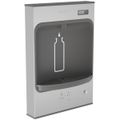
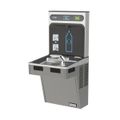


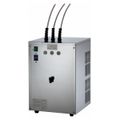
Water Coolers and Drinking Fountains are the fixed plumbing fixtures that supply on-demand drinking water in commercial, institutional, and public buildings. A refrigerated water cooler chills incoming water before it reaches the basin, while a non-refrigerated fountain delivers water at line temperature. Many current models add a bottle filling station, and Elkay's laminar flow bottle fillers deliver water at 1.1 GPM so a standard bottle fills in a few seconds. Chilling capacity is another spec worth checking during installation planning, since an 8.0 GPH refrigeration unit supports higher-traffic locations better than an entry-level cooler rated for lighter daily use. Building codes increasingly require ADA-compliant bi-level configurations and, in many jurisdictions, a bottle filling station alongside any new fountain installation, which makes fixture selection as much a code compliance question as a comfort one for facility managers and plumbing contractors.
Subcategories
- Refrigerated Water Coolers: Refrigerated water coolers chill incoming water before it reaches the basin, delivering cold water on demand instead of water at ambient line temperature. Facility managers spec these units for break rooms, gyms, and other high-traffic spaces where cold water matters more than in a low-traffic hallway. Elkay's refrigerated models list chilling capacity in gallons per hour, with an 8.0 GPH rating common for single-station units tested per ASHRAE 18 conditions. Higher-traffic buildings typically call for a higher GPH rating to keep pace with demand throughout the day.
- Bottle Filling Stations: Bottle filling stations use a sensor or push-button activated spout to fill a reusable bottle without touching the basin, and many now install as a standalone unit or combined with a fountain. Schools, gyms, and offices install these to cut down on single-use bottle waste while giving occupants a fast refill option. Elkay's EZH2O laminar flow bottle fillers deliver a 1.1 GPM fill rate, letting a standard bottle fill in a few seconds. A digital counter on many models tracks bottles saved over the unit's service life.
- Bi-Level and ADA Fountains: Bi-level fountains combine two basins mounted at different heights on the same unit, meeting accessibility requirements for wheelchair users alongside a standard-height basin for other occupants. Public buildings, schools, and government facilities typically require this configuration to satisfy ADA accessibility standards for any new fountain installation. A bi-level model can also add a bottle filling station without requiring a second wall penetration. Confirming reach and knee clearance dimensions against the applicable code keeps the installation compliant on inspection.
- Non-Refrigerated Fountains: Non-refrigerated fountains deliver water at whatever temperature arrives through the supply line, without a chilling mechanism inside the unit. Facility managers use these in locations where a refrigerated unit isn't practical, such as outdoor parks or unconditioned mechanical spaces. Because there's no compressor or refrigerant circuit, these units generally cost less to install and need less ongoing maintenance than a refrigerated cooler. They remain a common choice for basic code-required drinking water access in lower-traffic areas.
Buying Guide
Confirm the applicable accessibility code before selecting a fixture, since most jurisdictions now require a bi-level or ADA-compliant configuration for any new public installation. Skipping this step is the most common reason a finished installation fails inspection and needs a fixture swap after the fact.
Next, match chilling capacity to expected foot traffic. A single-station cooler rated around 8.0 GPH suits a small break room, while a high-traffic lobby, gym, or school hallway needs a higher-capacity refrigeration unit to keep pace with demand during peak hours without running warm.
Decide whether a bottle filling station belongs on the fixture. Many current Water Coolers and Drinking Fountains ship with an integrated bottle filler as standard, and a laminar flow spout rated around 1.1 GPM fills a bottle in a few seconds with minimal splash. Retrofitting a bottle filler onto an existing fountain later is possible on some models but adds labor cost compared with specifying an integrated filler initially.
Finally, consider mounting and rough-in requirements. Wall-mounted units need adequate backing and a supply and drain line at the height the fixture manufacturer specifies, while freestanding pedestal units need floor space and a nearby drain. Checking the fixture's rough-in dimensions against the wall or floor plan before ordering prevents a mismatch between the fixture and the plumbing already stubbed out for it.
Frequently Asked Questions
What's the difference between a water cooler and a bottle filling station?
A water cooler dispenses chilled water into a basin for direct drinking from a stream or spout. A bottle filling station uses a raised spout and sensor or push-button activation designed specifically to fill a reusable bottle without contact. Many current fixtures combine both functions in a single bi-level unit. Selecting a combination unit typically satisfies both use cases without requiring two separate wall penetrations.
What chilling capacity does a break room cooler need?
Chilling capacity is measured in gallons per hour, with 8.0 GPH common for single-station units under standard test conditions. A small break room or single office suite is usually well served by that rating. Higher-traffic spaces such as gyms, cafeterias, or school hallways typically need a higher GPH rating to avoid delivering warm water during peak use. Checking expected daily traffic before ordering keeps the fixture's capacity matched to the space.
Is a bi-level fountain required for every new installation?
Most current accessibility codes require a bi-level or otherwise ADA-compliant fountain for new public and commercial installations. A single-height fountain generally doesn't satisfy that requirement on its own. Combining a lower ADA-height basin with a standard-height basin on one unit is the most common compliant configuration. Verifying the applicable local code before ordering avoids a failed inspection.
How fast does a laminar flow bottle filler work?
Laminar flow bottle fillers use a shaped spout that reduces splash while filling a bottle quickly. Elkay's EZH2O models deliver a 1.1 GPM fill rate, filling a standard bottle in a few seconds. Faster fill times matter most in high-traffic locations like school hallways between class periods. A slower, more basic fountain spout can still fill a bottle, just with more splash and a longer wait.
What maintenance does a drinking fountain or bottle filler need?
Refrigerated units need periodic condenser coil cleaning to keep the refrigeration system running efficiently. Bottle filling stations with a filtration cartridge need that filter replaced on the manufacturer's recommended schedule to maintain water quality and flow rate. Basin drains should be checked periodically for slow drainage or buildup. Following the manufacturer's maintenance schedule keeps the fixture performing at its rated capacity over its service life.
