




Filters
SORT
Product Availability –
Brand –
Size –
Review Score –
 --%3E %3Csvg version='1.1' id='Fill' xmlns='http://www.w3.org/2000/svg' xmlns:xlink='http://www.w3.org/1999/xlink' x='0px' y='0px' viewBox='0 0 100 100' enable-background='new 0 0 100 100' xml:space='preserve'%3E %3Cpath fill='%23F15C02' d='M79.44,0.95H20.56C9.78,0.95,0.95,9.78,0.95,20.56v58.87c0,10.79,8.82,19.61,19.61,19.61h58.87 c10.79,0,19.61-8.83,19.61-19.61V20.56C99.05,9.78,90.22,0.95,79.44,0.95z M65.38,58.24l9.38,29.58L49.69,69.78L24.5,87.82 l9.34-29.6L8.8,39.6l30.73-0.17c0,0,6.98-19.61,10-28.93c0.54,1.36,9.88,29.1,9.88,29.1H91.2L65.38,58.24z'/%3E %3C/svg%3E)
Price Range –
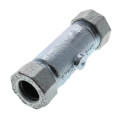
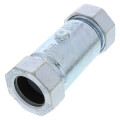
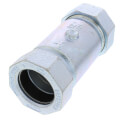
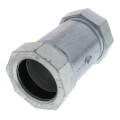
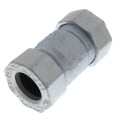
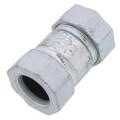
Water Service Dresser Compression Couplings





 --%3E %3Csvg version='1.1' id='No-RB' xmlns='http://www.w3.org/2000/svg' xmlns:xlink='http://www.w3.org/1999/xlink' x='0px' y='0px' viewBox='0 0 100 100' enable-background='new 0 0 100 100' xml:space='preserve'%3E %3Cpath fill='%23CECECE' d='M79.44,0.95H20.56C9.78,0.95,0.95,9.78,0.95,20.56v58.87c0,10.79,8.82,19.61,19.61,19.61h58.87 c10.79,0,19.61-8.83,19.61-19.61V20.56C99.05,9.78,90.22,0.95,79.44,0.95z M65.38,58.24l9.38,29.58L49.69,69.78L24.5,87.82 l9.34-29.6L8.8,39.6l30.73-0.17c0,0,6.98-19.61,10-28.93c0.54,1.36,9.88,29.1,9.88,29.1H91.2L65.38,58.24z'/%3E %3C/svg%3E)
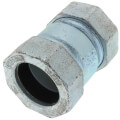
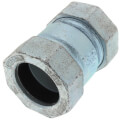
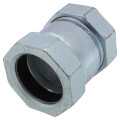
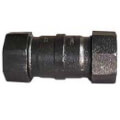

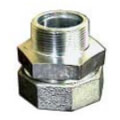
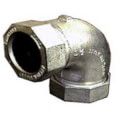
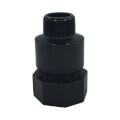

Water service dresser compression couplings are mechanical fittings used to join sections of underground water service line, particularly where two different pipe materials or outside diameters meet. A dresser-style coupling uses a center sleeve with a gasket on each end, secured by follower rings and tie bolts, to form a watertight seal without soldering, threading, or welding. Plumbing and utility contractors rely on this style of coupling for water main repairs, service line replacements, and transitions between copper, steel, cast iron, or plastic pipe of a matching outside diameter.
Because the coupling clamps around the pipe rather than requiring a specific end preparation, it tolerates minor misalignment and installs quickly in a tight excavation trench. Dresser couplings are typically buried directly in soil, so body material (bronze, ductile iron, or stainless steel) affects long-term corrosion resistance. Matching the coupling's rated diameter range to the pipes being joined is the starting point for any repair or transition.
Subcategories
- Transition Couplings: Transition couplings join two different pipe materials, such as an existing copper or steel service line to a new PE or PVC run. The gasket on each side of the center sleeve is sized independently, so the coupling accommodates the slightly different outside diameters common between material types. Contractors use these when replacing a failed section of an older metal service line with modern plastic pipe. Correct gasket selection for each side is the key spec to confirm before ordering.
- Same-Material Repair Couplings: Same-material repair couplings join two ends of the same pipe type and diameter, typically for a straight repair on cast iron, steel, or copper main. These are the most common style stocked for emergency water main breaks. Because both sides use an identical gasket size, they install faster than a transition coupling. Body length is short, suited to a single clean cut in the line.
- Long-Pattern Repair Sleeves: Long-pattern sleeves span a longer section of pipe than a standard repair coupling, useful when a damaged run needs to be bridged rather than cut and rejoined at a single point. These extended-body couplings distribute clamping force across a wider area, which helps on corroded or slightly out-of-round pipe. Utility crews often keep long-pattern sleeves on hand for main breaks where a full section replacement is not practical.
- Restrained Couplings: Restrained couplings add locking hardware that resists axial pullout under water pressure and soil movement, in addition to sealing the joint. These are specified where thrust restraint is required by local code, such as on pressurized water mains rather than gravity lines. The added hardware increases installed cost and labor time compared to a standard compression coupling, so restraint is only used where the application calls for it.
Buying Guide
Start by measuring the actual outside diameter of both pipe ends, not the nominal pipe size, since OD varies by material and schedule even at the same nominal size. A coupling sized for the wrong OD range will not seal properly regardless of how tightly the bolts are torqued.
Next, confirm whether the joint is a same-material repair or a transition between materials. Water service dresser compression couplings for transitions need a gasket rated for each pipe type on either side, while a same-material repair can use a simpler symmetric design. Skipping this step is a common cause of comebacks on underground repairs.
Body material matters for buried applications. Bronze and stainless steel resist corrosion better than plain steel in wet or acidic soil, which affects service life on a joint that will not be easily accessed again. Ductile iron bodies are common on larger-diameter municipal work where cost is a bigger factor than long-term corrosion resistance in mild soil conditions.
Finally, check whether the application requires pressure or thrust restraint. Pressurized mains, especially larger diameters or shallow burial depths, may call for a restrained coupling rather than a standard compression design. Confirming local code requirements before ordering avoids a return trip to the supply house mid-repair.
Frequently Asked Questions
What is the difference between a dresser coupling and a standard repair coupling?
A dresser coupling uses a center sleeve, two gaskets, and follower rings tightened with tie bolts, which lets it join pipe without soldering or threading. A standard repair coupling can refer to several joint styles, some of which require a specific pipe end preparation that a dresser coupling does not need.
Can a dresser coupling join two different pipe materials?
Yes, transition-style dresser couplings are built specifically for that purpose, with independently sized gaskets on each side to match different outside diameters. Confirm the OD of both pipe ends before ordering, since nominal size alone does not mean the OD will match.
Does a dresser coupling need thrust restraint on a pressurized line?
It depends on the pressure, pipe diameter, and local code. Standard compression couplings seal the joint but do not resist axial pullout, so a restrained coupling is often specified on pressurized water mains where thrust force is a concern.
What body material holds up best underground?
Bronze and stainless steel generally resist corrosion better than plain steel when buried directly in soil. Ductile iron is a common and more economical choice for larger municipal lines where soil conditions are less aggressive.
How much pipe misalignment can a dresser coupling tolerate?
Dresser couplings tolerate minor misalignment because the gasket compresses around the pipe rather than requiring a perfectly square cut, but they are not designed to correct significant offset. Excessive misalignment should be corrected before installing the coupling to maintain a reliable seal.
