




Wyes
Wyes are drain, waste, and vent fittings that branch a secondary line into a main drain line at a 45 degree angle, a gentler transition than a standard tee that helps waste and venting gas flow move without the turbulence a sharp branch can create. This category spans ABS and CPVC materials in configurations ranging from single wyes to combination wye and 45 degree elbow fittings that combine two direction changes in one part.
Material selection between ABS and CPVC generally follows whatever piping system the rest of the job uses, since mixing drainage materials without the right transition fitting can create a weak joint. Combination fittings that pair a wye with a 45 degree elbow save a joint and some labor on runs that need both a branch and a direction change in a short section of pipe.




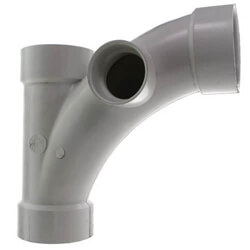

Subcategories
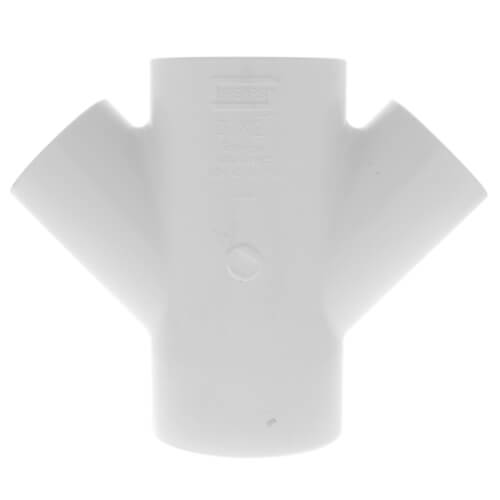
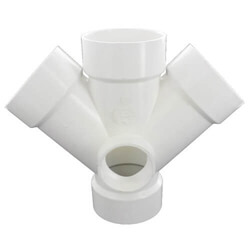
- ABS DWV 45° Double Wyes (H x H x H): ABS DWV double wyes tie two branch lines into a single main drain line at a 45 degree angle from a single fitting body. Contractors use double wyes in back-to-back fixture groups or shared plumbing walls where two branches need to join the main line at roughly the same point. The hub-by-hub-by-hub configuration accepts standard ABS DWV pipe on all three connections.
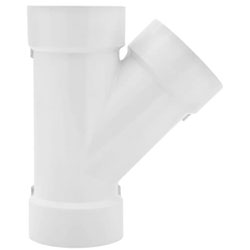
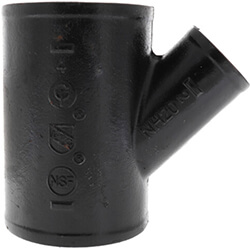
- ABS DWV 45° Wyes (SPG x H x H): The spigot-and-hub ABS wye combines a spigot inlet with two hub outlets, letting it insert directly into an upstream hub fitting without an additional coupling. Contractors use the spigot end to simplify a tight layout where an extra joint would complicate the installation. The 45 degree branch angle keeps waste flow moving smoothly into the main line.
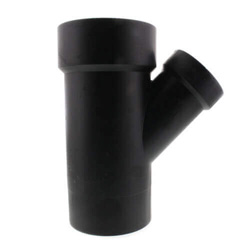
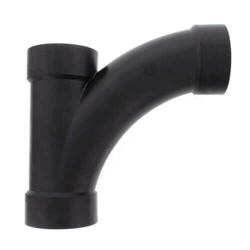
- ABS DWV Long Radius Combination Tee-Wyes (H x H x H): The long radius combination tee-wye blends a wye's gentler branch angle with a longer sweep radius, easing the transition for waste flow entering the main line. Contractors specify this fitting where code or design calls for a smoother branch connection than a standard wye provides. All three hub connections accept standard ABS DWV pipe.
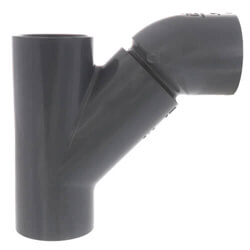
- CPVC Schedule 80 Combo Wye & 45° Elbows: The combo wye and 45 degree elbow fitting pairs a branch connection with a direction change in one CPVC schedule 80 part, saving a joint in tight layouts. Contractors reach for this fitting on schedule 80 systems needing both a branch line and an angle change in a short section of pipe. The schedule 80 wall thickness suits higher-pressure or higher-temperature drainage applications than standard schedule 40.
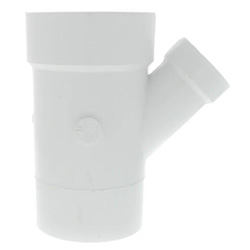
- CPVC Schedule 80 Reducing Wyes: CPVC schedule 80 reducing wyes branch a smaller-diameter line off a larger main line within a single fitting, sized to step down between two different pipe diameters. Contractors use reducing wyes where a branch line runs a smaller diameter than the main drain it ties into. Schedule 80 wall thickness suits systems operating outside standard schedule 40 pressure and temperature ratings.
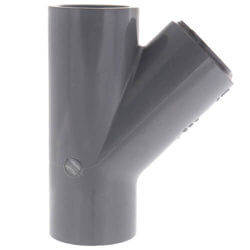
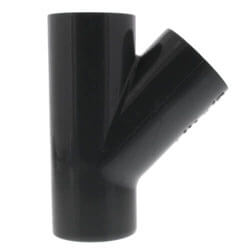
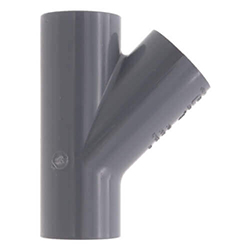
- CPVC Schedule 80 Wyes: CPVC schedule 80 wyes provide a same-size branch connection into a main line, built with the thicker wall schedule 80 systems require. Contractors specify schedule 80 wyes on drainage systems handling higher pressure or temperature than standard schedule 40 fittings are rated for. Solvent welding schedule 80 CPVC follows the same process as schedule 40, using a cement rated for the material.
Buying Guide
Matching wye material to the rest of the drain, waste, and vent system comes first. ABS and CPVC solvent weld systems aren't interchangeable without a transition fitting rated for both materials, so confirming what's already installed avoids a mismatched joint.
Double wyes handle situations where two branch lines need to tie into a main line at the same point, which shows up often in multi-fixture bathroom groups or back-to-back plumbing walls. A single wye works for most single-branch connections and is the simpler, more common choice.
Combination wye and 45 degree elbow fittings reduce the number of separate joints needed when a line both branches and changes direction in a tight run. Using a combination fitting instead of two separate fittings can simplify a layout, particularly in a wall cavity or under a fixture with limited space.
Schedule 80 CPVC wyes suit higher-pressure or higher-temperature drainage applications where standard schedule 40 fittings aren't rated for the service. Confirming the system's operating conditions against the fitting's schedule rating before ordering keeps the installation within its intended use.
Street-pattern wyes, which have one spigot end designed to insert directly into the next fitting, cut down on the couplings needed in a run and can simplify tight layouts. Standard hub-pattern wyes give more flexibility for cutting to length on site, which suits jobs where exact measurements aren't finalized until installation.
Frequently Asked Questions
What's the difference between a wye fitting and a tee fitting in drain piping?
A wye fitting branches a line at a 45 degree angle, which creates a gentler transition for waste flow and venting gas movement than a tee's 90 degree branch. Plumbing codes typically call for wye fittings rather than tees on drain lines for this reason.
Can ABS and CPVC wye fittings be mixed on the same drain line?
Direct solvent welding between ABS and CPVC isn't reliable, so a transition fitting or coupling rated for both materials is needed anywhere the two systems meet. Sticking with one material throughout a run avoids the issue entirely.
When would a double wye be used instead of two single wyes?
A double wye handles two branch lines tying into a main line at the same point, which comes up in back-to-back fixture groups or shared plumbing walls. Using a double wye instead of two single wyes stacked in a short section can simplify the layout and reduce joints.
What does a combination wye and 45 degree elbow fitting save on installation?
Combining a branch and a direction change into one fitting reduces the number of separate joints needed in a tight run, which matters most in wall cavities or under fixtures with limited working space. It also cuts down on the solvent welding steps required for the same layout.
Are schedule 80 CPVC wyes needed for standard residential drainage?
Most residential drain, waste, and vent systems run on standard schedule 40 fittings, with schedule 80 reserved for higher-pressure or higher-temperature applications outside typical gravity drainage. Checking the system's specific requirements determines whether schedule 80 is necessary.
Resources
Subcategories
- ABS DWV 45° Double Wyes (H x H x H): ABS DWV double wyes tie two branch lines into a single main drain line at a 45 degree angle from a single fitting body. Contractors use double wyes in back-to-back fixture groups or shared plumbing walls where two branches need to join the main line at roughly the same point. The hub-by-hub-by-hub configuration accepts standard ABS DWV pipe on all three connections.
- ABS DWV 45° Wyes (SPG x H x H): The spigot-and-hub ABS wye combines a spigot inlet with two hub outlets, letting it insert directly into an upstream hub fitting without an additional coupling. Contractors use the spigot end to simplify a tight layout where an extra joint would complicate the installation. The 45 degree branch angle keeps waste flow moving smoothly into the main line.
- ABS DWV Long Radius Combination Tee-Wyes (H x H x H): The long radius combination tee-wye blends a wye's gentler branch angle with a longer sweep radius, easing the transition for waste flow entering the main line. Contractors specify this fitting where code or design calls for a smoother branch connection than a standard wye provides. All three hub connections accept standard ABS DWV pipe.
- CPVC Schedule 80 Combo Wye & 45° Elbows: The combo wye and 45 degree elbow fitting pairs a branch connection with a direction change in one CPVC schedule 80 part, saving a joint in tight layouts. Contractors reach for this fitting on schedule 80 systems needing both a branch line and an angle change in a short section of pipe. The schedule 80 wall thickness suits higher-pressure or higher-temperature drainage applications than standard schedule 40.
- CPVC Schedule 80 Reducing Wyes: CPVC schedule 80 reducing wyes branch a smaller-diameter line off a larger main line within a single fitting, sized to step down between two different pipe diameters. Contractors use reducing wyes where a branch line runs a smaller diameter than the main drain it ties into. Schedule 80 wall thickness suits systems operating outside standard schedule 40 pressure and temperature ratings.
- CPVC Schedule 80 Wyes: CPVC schedule 80 wyes provide a same-size branch connection into a main line, built with the thicker wall schedule 80 systems require. Contractors specify schedule 80 wyes on drainage systems handling higher pressure or temperature than standard schedule 40 fittings are rated for. Solvent welding schedule 80 CPVC follows the same process as schedule 40, using a cement rated for the material.
Buying Guide
Matching wye material to the rest of the drain, waste, and vent system comes first. ABS and CPVC solvent weld systems aren't interchangeable without a transition fitting rated for both materials, so confirming what's already installed avoids a mismatched joint.
Double wyes handle situations where two branch lines need to tie into a main line at the same point, which shows up often in multi-fixture bathroom groups or back-to-back plumbing walls. A single wye works for most single-branch connections and is the simpler, more common choice.
Combination wye and 45 degree elbow fittings reduce the number of separate joints needed when a line both branches and changes direction in a tight run. Using a combination fitting instead of two separate fittings can simplify a layout, particularly in a wall cavity or under a fixture with limited space.
Schedule 80 CPVC wyes suit higher-pressure or higher-temperature drainage applications where standard schedule 40 fittings aren't rated for the service. Confirming the system's operating conditions against the fitting's schedule rating before ordering keeps the installation within its intended use.
Street-pattern wyes, which have one spigot end designed to insert directly into the next fitting, cut down on the couplings needed in a run and can simplify tight layouts. Standard hub-pattern wyes give more flexibility for cutting to length on site, which suits jobs where exact measurements aren't finalized until installation.
Frequently Asked Questions
What's the difference between a wye fitting and a tee fitting in drain piping?
A wye fitting branches a line at a 45 degree angle, which creates a gentler transition for waste flow and venting gas movement than a tee's 90 degree branch. Plumbing codes typically call for wye fittings rather than tees on drain lines for this reason.
Can ABS and CPVC wye fittings be mixed on the same drain line?
Direct solvent welding between ABS and CPVC isn't reliable, so a transition fitting or coupling rated for both materials is needed anywhere the two systems meet. Sticking with one material throughout a run avoids the issue entirely.
When would a double wye be used instead of two single wyes?
A double wye handles two branch lines tying into a main line at the same point, which comes up in back-to-back fixture groups or shared plumbing walls. Using a double wye instead of two single wyes stacked in a short section can simplify the layout and reduce joints.
What does a combination wye and 45 degree elbow fitting save on installation?
Combining a branch and a direction change into one fitting reduces the number of separate joints needed in a tight run, which matters most in wall cavities or under fixtures with limited working space. It also cuts down on the solvent welding steps required for the same layout.
Are schedule 80 CPVC wyes needed for standard residential drainage?
Most residential drain, waste, and vent systems run on standard schedule 40 fittings, with schedule 80 reserved for higher-pressure or higher-temperature applications outside typical gravity drainage. Checking the system's specific requirements determines whether schedule 80 is necessary.