




Filters
SORT
Product Availability –
Review Score –
 --%3E %3Csvg version='1.1' id='Fill' xmlns='http://www.w3.org/2000/svg' xmlns:xlink='http://www.w3.org/1999/xlink' x='0px' y='0px' viewBox='0 0 100 100' enable-background='new 0 0 100 100' xml:space='preserve'%3E %3Cpath fill='%23F15C02' d='M79.44,0.95H20.56C9.78,0.95,0.95,9.78,0.95,20.56v58.87c0,10.79,8.82,19.61,19.61,19.61h58.87 c10.79,0,19.61-8.83,19.61-19.61V20.56C99.05,9.78,90.22,0.95,79.44,0.95z M65.38,58.24l9.38,29.58L49.69,69.78L24.5,87.82 l9.34-29.6L8.8,39.6l30.73-0.17c0,0,6.98-19.61,10-28.93c0.54,1.36,9.88,29.1,9.88,29.1H91.2L65.38,58.24z'/%3E %3C/svg%3E)
Price Range –
York Draft Inducer Motors & Parts





 --%3E %3Csvg version='1.1' id='No-RB' xmlns='http://www.w3.org/2000/svg' xmlns:xlink='http://www.w3.org/1999/xlink' x='0px' y='0px' viewBox='0 0 100 100' enable-background='new 0 0 100 100' xml:space='preserve'%3E %3Cpath fill='%23CECECE' d='M79.44,0.95H20.56C9.78,0.95,0.95,9.78,0.95,20.56v58.87c0,10.79,8.82,19.61,19.61,19.61h58.87 c10.79,0,19.61-8.83,19.61-19.61V20.56C99.05,9.78,90.22,0.95,79.44,0.95z M65.38,58.24l9.38,29.58L49.69,69.78L24.5,87.82 l9.34-29.6L8.8,39.6l30.73-0.17c0,0,6.98-19.61,10-28.93c0.54,1.36,9.88,29.1,9.88,29.1H91.2L65.38,58.24z'/%3E %3C/svg%3E)


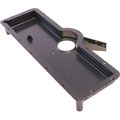




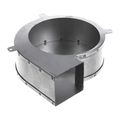


York draft inducer motors and parts are the components that pull combustion gases through a furnace or boiler and vent them safely outside. A failing inducer motor is one of the most common reasons a York furnace won't start, since many control boards won't fire the burner until the inducer proves it's running at the correct pressure or speed. Contractors servicing York equipment need direct-fit motors, wheels, gaskets, and pressure switches that match the original assembly closely enough to avoid a mismatched airflow reading. Because draft inducer assemblies vary across York furnace and boiler platforms, confirming the exact model and motor specifications before ordering saves a return trip. Stocking common York inducer parts alongside gaskets and mounting hardware lets a technician complete a repair in one visit instead of waiting on a full assembly. Reliable venting is a safety issue as much as a comfort one, which is why matching the original part closely matters.
Subcategories
- Inducer Motors: Inducer motors are the replacement part most commonly needed when a York furnace fails to start or shuts down mid-cycle. Technicians match motor speed, rotation, and mounting pattern to the original equipment before installation. A worn motor bearing often shows up as a grinding or humming noise before the motor fails completely.
- Inducer Wheels: Inducer wheels attach to the motor shaft and create the draft that pulls flue gases through the heat exchanger. A cracked or corroded wheel can throw the assembly out of balance and cause premature motor failure. Replacing the wheel along with the motor is common practice on older units where the wheel has visible wear.
- Housings & Gaskets: Inducer housings and gaskets seal the assembly against the furnace cabinet and prevent flue gas leaks at the mounting point. A brittle or missing gasket is an easy source of a failed pressure switch reading even when the motor itself is fine. Replacing gaskets during any inducer service call is standard practice for a leak-free seal.
- Pressure Switches & Sensors: Pressure switches confirm the inducer motor is moving enough air before the control board allows the burner to ignite. A switch that reads incorrectly, whether from a clogged tube or a failed diaphragm, will keep a furnace from starting even with a healthy motor. Technicians test switch continuity and tubing separately from the motor itself to isolate the fault.
Buying Guide
Matching a York draft inducer motor to the original assembly starts with the furnace or boiler's model and serial number, not the motor's physical appearance alone. Two motors can look identical but run at different speeds or in opposite rotation, and either mismatch will produce a pressure reading the control board rejects. Contractors should also check housing bolt patterns and shaft length, since aftermarket assemblies sometimes differ slightly from the original York part even when the electrical specifications line up. York draft inducer motors and parts are typically ordered as a full assembly when the wheel or housing shows wear, rather than swapping the motor alone, since mismatched wear between old and new components can create a new imbalance. For equipment that runs seasonally, inspecting the inducer for dust buildup or a loose wheel before the heating season starts can catch a failing part before it strands a customer without heat. Wiring harnesses and plug connectors also vary by production year, so keeping a few common adapter harnesses on the truck reduces the chance of a second trip for a connector mismatch. Because draft inducer failures are often diagnosed under time pressure with a customer waiting on heat, technicians who standardize on a small set of core York parts and pressure switches tend to close service calls faster than those ordering a new configuration for every job.
Frequently Asked Questions
How do I know if a York furnace's draft inducer motor has failed?
A furnace that won't start, or that starts and then locks out within seconds, often points to an inducer problem. Listen for a motor that hums without spinning, grinds, or runs at a noticeably slower speed than normal, and check for a pressure switch fault code on the control board.
Can the inducer wheel be replaced instead of the whole motor?
Yes, if the motor itself is running well and only the wheel shows cracking or corrosion. Confirm the wheel's shaft bore and blade design match the original before ordering, since wheels are not universal across York furnace platforms.
Why does a furnace still fail on the pressure switch after the inducer motor is replaced?
A new motor won't fix a bad pressure switch, a pinched or disconnected pressure tube, or a clogged vent that's restricting airflow. Test the switch and tubing separately from the motor to confirm where the fault actually is.
Do York inducer motors differ between furnace and boiler applications?
Yes. Motor speed, mounting orientation, and wheel design are matched to the specific appliance, so a part designed for a furnace won't necessarily work correctly in a boiler application, even if the electrical connector looks the same.
How often should inducer assemblies be inspected?
Checking the inducer housing, wheel, and motor mounts once a year, ideally before the heating season starts, catches dust buildup or early wear before it causes a mid-winter failure.
