




Filters
SORT
Product Availability –
Application –
Differential –
Max Temp (F) –
Min Temp (F) –
Switch Action –
Review Score –
 --%3E %3Csvg version='1.1' id='Fill' xmlns='http://www.w3.org/2000/svg' xmlns:xlink='http://www.w3.org/1999/xlink' x='0px' y='0px' viewBox='0 0 100 100' enable-background='new 0 0 100 100' xml:space='preserve'%3E %3Cpath fill='%23F15C02' d='M79.44,0.95H20.56C9.78,0.95,0.95,9.78,0.95,20.56v58.87c0,10.79,8.82,19.61,19.61,19.61h58.87 c10.79,0,19.61-8.83,19.61-19.61V20.56C99.05,9.78,90.22,0.95,79.44,0.95z M65.38,58.24l9.38,29.58L49.69,69.78L24.5,87.82 l9.34-29.6L8.8,39.6l30.73-0.17c0,0,6.98-19.61,10-28.93c0.54,1.36,9.88,29.1,9.88,29.1H91.2L65.38,58.24z'/%3E %3C/svg%3E)
 --%3E %3Csvg version='1.1' id='With-RB' xmlns='http://www.w3.org/2000/svg' xmlns:xlink='http://www.w3.org/1999/xlink' x='0px' y='0px' viewBox='0 0 100 100' enable-background='new 0 0 100 100' xml:space='preserve'%3E %3Cpath fill='%23FBC8B4' d='M79.44,0.95H20.56C9.78,0.95,0.95,9.78,0.95,20.56v58.87c0,10.79,8.82,19.61,19.61,19.61h58.87 c10.79,0,19.61-8.83,19.61-19.61V20.56C99.05,9.78,90.22,0.95,79.44,0.95z M65.38,58.24l9.38,29.58L49.69,69.78L24.5,87.82 l9.34-29.6L8.8,39.6l30.73-0.17c0,0,6.98-19.61,10-28.93c0.54,1.36,9.88,29.1,9.88,29.1H91.2L65.38,58.24z'/%3E %3C/svg%3E)
Price Range –
Boiler Aquastats



 --%3E %3Csvg version='1.1' id='Half' xmlns='http://www.w3.org/2000/svg' xmlns:xlink='http://www.w3.org/1999/xlink' x='0px' y='0px' viewBox='0 0 100 100' enable-background='new 0 0 100 100' xml:space='preserve'%3E %3Cg%3E %3Cpath fill='%23F15C02' d='M30.05,70.23l3.79-12.01L8.8,39.6l30.73-0.17c0,0,6.98-19.61,10-28.93c0.54,1.36,9.88,29.1,9.88,29.1h1.58 L93.71,7.18c-3.58-3.82-8.66-6.23-14.28-6.23H20.56C9.78,0.95,0.95,9.78,0.95,20.56v58.87c0,5.41,2.22,10.32,5.79,13.88 L30.05,70.23z'/%3E %3C/g%3E %3Cpath fill='%23FBC8B4' d='M93.71,7.18L60.98,39.6H91.2L65.38,58.24l9.38,29.58L49.69,69.78L24.5,87.82l5.55-17.59L6.75,93.32 c3.55,3.54,8.44,5.73,13.82,5.73h58.87c10.79,0,19.61-8.83,19.61-19.61V20.56C99.05,15.4,97.01,10.69,93.71,7.18z'/%3E %3C/svg%3E)



 --%3E %3Csvg version='1.1' id='No-RB' xmlns='http://www.w3.org/2000/svg' xmlns:xlink='http://www.w3.org/1999/xlink' x='0px' y='0px' viewBox='0 0 100 100' enable-background='new 0 0 100 100' xml:space='preserve'%3E %3Cpath fill='%23CECECE' d='M79.44,0.95H20.56C9.78,0.95,0.95,9.78,0.95,20.56v58.87c0,10.79,8.82,19.61,19.61,19.61h58.87 c10.79,0,19.61-8.83,19.61-19.61V20.56C99.05,9.78,90.22,0.95,79.44,0.95z M65.38,58.24l9.38,29.58L49.69,69.78L24.5,87.82 l9.34-29.6L8.8,39.6l30.73-0.17c0,0,6.98-19.61,10-28.93c0.54,1.36,9.88,29.1,9.88,29.1H91.2L65.38,58.24z'/%3E %3C/svg%3E)
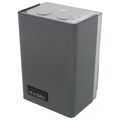
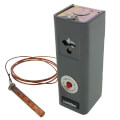
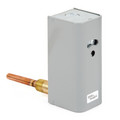
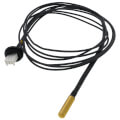
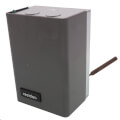
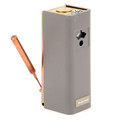
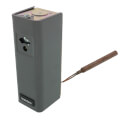
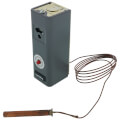
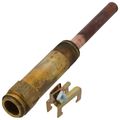
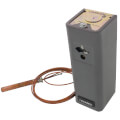
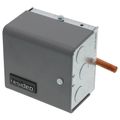
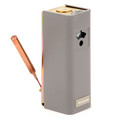

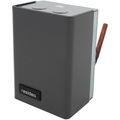
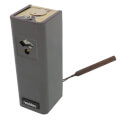
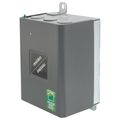
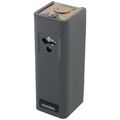
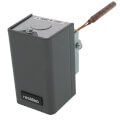
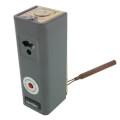
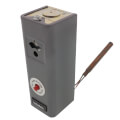
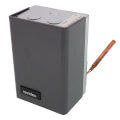
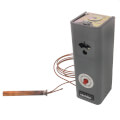
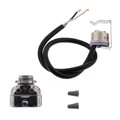
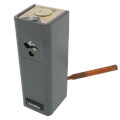
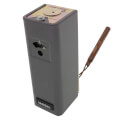
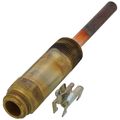
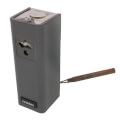
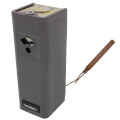
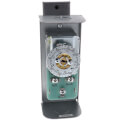
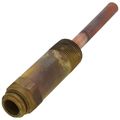
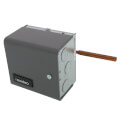
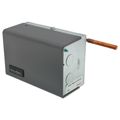
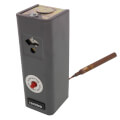
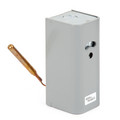
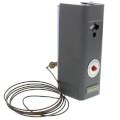
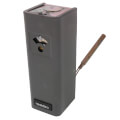
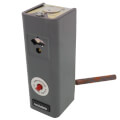
Aquastats are temperature-sensing control switches mounted on hydronic boilers that turn the burner, circulator, or both on and off based on boiler water temperature. A well is the brass or copper tube welded into the boiler jacket that the aquastat's sensing bulb inserts into, keeping the sensing element in contact with boiler water without exposing it directly to pressure. Technicians replace aquastats when a boiler short-cycles, fails to reach setpoint, or won't fire at all, and replace wells when the original tube is damaged, corroded, or the wrong length for a new control. Matching well depth to the boiler's tapping location keeps the sensing bulb positioned correctly inside the boiler water column. Aquastats and wells are sold both as individual replacement parts and as combination kits for common residential boiler models.
Subcategories
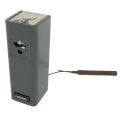
- Single-Stage Aquastat Controls: Single-stage controls operate one circuit, typically switching the burner on and off around a single setpoint temperature. They are common on smaller residential boilers with a single heating zone or a simple on/off circulator arrangement. Technicians select a single-stage control when the boiler doesn't need to stage burner firing or manage a separate domestic hot water circuit. Setpoint and differential are adjustable on most models to match the specific heating system.
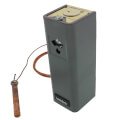
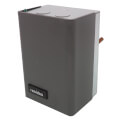
- Combination Aquastat/Relay Controls: Combination controls add a high-limit switch and circulator relay to the basic aquastat function, managing burner firing, circulator operation, and a safety high-limit cutoff from a single control body. They are common on residential boilers that need to coordinate a circulator with burner operation rather than running both independently. Technicians should match terminal wiring to the original control's diagram before installing a replacement, since terminal layouts vary between manufacturers. A built-in high-limit protects against overheating if the primary control fails.
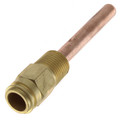
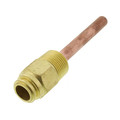
- Boiler Wells: Wells are the sealed tubes that hold an aquastat's sensing bulb in contact with boiler water while keeping the control itself outside the pressurized system. Well length must match the boiler's tapping depth so the bulb reaches into the water column rather than sitting in a dead air space near the boiler jacket. Corroded or damaged wells should be replaced rather than reused with a new control. Standard well sizes fit a range of common residential boiler tappings.
- Immersion Wells for Tankless Coils: Immersion wells sized for tankless coil applications position a sensing bulb near the coil to help regulate domestic hot water temperature drawn off the boiler. Wells sized for this application are shorter than typical boiler wells and thread into a dedicated tapping near the coil rather than the main boiler block. Technicians use these when adding or replacing an aquastat dedicated to domestic hot water control. Correct placement keeps the domestic hot water reading independent from the primary heating control.
Buying Guide
Choosing a replacement for Aquastats & Wells starts with identifying whether the boiler needs a simple single-stage control or a combination control that also handles a circulator relay and high-limit function, since installing a simpler control than the original can eliminate a safety feature the system was built around. Checking the original control's terminal wiring diagram before ordering helps confirm a compatible replacement, since terminal layouts and relay functions differ between manufacturers even when the physical control looks similar. Well selection depends on the boiler's tapping depth and thread size, and reusing an old well with a new control is only appropriate if the well is undamaged and free of corrosion inside the sensing bore. On systems with a tankless coil for domestic hot water, a separate immersion well positioned near the coil keeps that reading independent from the primary heating control. Setpoint and differential settings should be confirmed against the original control's settings or the boiler manufacturer's documentation before startup, since an incorrect differential can cause short-cycling or long recovery times. After installation, verifying the burner cycles correctly around setpoint and that any high-limit safety function trips at the correct temperature confirms the control is wired and calibrated properly before the job is closed out.
Frequently Asked Questions
What is the difference between an aquastat and a well?
An aquastat is the control switch that reads temperature and turns equipment on or off, while a well is the sealed tube mounted in the boiler that holds the aquastat's sensing bulb in contact with boiler water. The two parts work together but are typically sold and replaced separately unless a kit bundles them. A damaged well needs replacement even if the aquastat itself still works correctly.
Why is my boiler short-cycling after an aquastat replacement?
Short-cycling after a replacement is often caused by a differential setting that is too narrow for the system, causing the burner to turn on and off more frequently than needed. It can also result from a sensing bulb that isn't fully seated in the well. Checking both the differential setting and bulb placement usually resolves the issue.
Can I reuse the old well with a new aquastat?
A well can be reused if it is free of corrosion and physical damage inside the sensing bore, since a damaged well can prevent accurate temperature sensing. If the well's thread size or length doesn't match the new control's bulb, it needs to be replaced along with the control. Inspecting the well before installation avoids a callback for inaccurate temperature control.
Do I need a combination control or a single-stage control?
A combination control is needed when the boiler relies on one device to manage burner firing, a circulator relay, and a high-limit safety function together. A single-stage control only handles a single on/off circuit and won't provide the relay or high-limit functions a combination control includes. Matching the replacement type to the original control keeps all original safety functions intact.
How do I size a well for a tankless coil aquastat?
Tankless coil wells are shorter than main boiler wells and thread into a dedicated tapping near the coil rather than the main boiler block. Matching the well's length and thread size to that tapping keeps the sensing bulb positioned correctly near the coil. Using a well sized for the wrong tapping can produce a domestic hot water reading that doesn't reflect actual coil temperature.
