




HVAC Zone Dampers
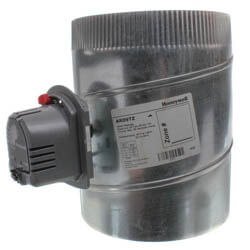
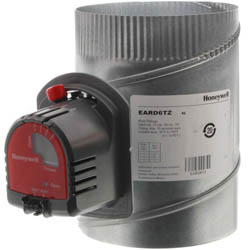
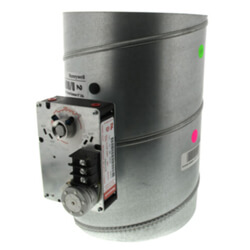
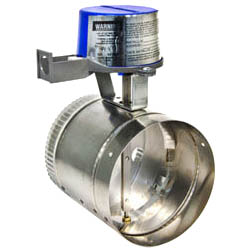
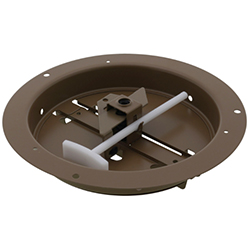
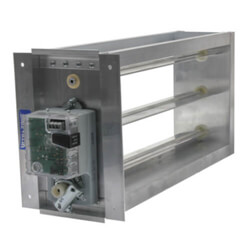
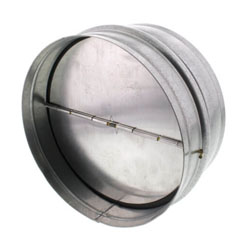
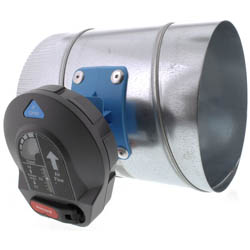
Dampers are the mechanical dividers inside ductwork that control how much air reaches a given room or zone. They form the backbone of most residential and light commercial zoning systems. A damper can be as simple as a manual blade that a technician sets once during balancing. It can also be a motorized assembly tied into a zone control panel that opens and closes automatically throughout the day.
Getting damper selection right affects comfort and equipment life in ways that are easy to overlook. An undersized or poorly positioned damper can starve one zone of airflow while overloading another. A failed motorized damper stuck in the closed position can cause static pressure to build up and stress the blower motor. Because damper types vary widely by brand, control voltage, and mounting style, matching a replacement to the existing system is a common point of confusion during service calls.






Subcategories
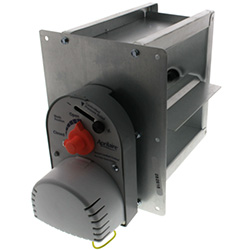
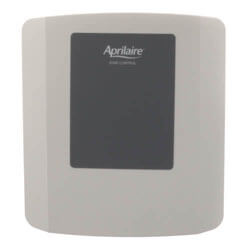
- Aprilaire Dampers: Aprilaire dampers are built to integrate with Aprilaire zoning panels and thermostats, giving technicians a matched set of components for new zoning installations. They are commonly specified when the rest of the zoning system on a job is already Aprilaire equipment. Confirming panel compatibility before ordering keeps the zoning control logic consistent.
- Arzel Dampers: Arzel dampers pair with Arzel zone control panels and are often chosen for retrofit zoning projects. They come in a range of shapes and sizes to fit round and rectangular duct runs. Technicians typically select them based on the existing panel brand already installed at the property.
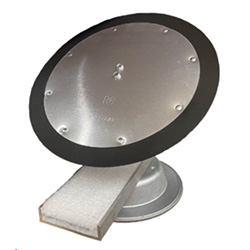
- Bluefin Dampers: Bluefin dampers are SupplyHouse's private-label option for standard residential zoning and balancing applications. They cover common round and rectangular duct sizes for jobs that do not require a specific name-brand match. They function the same as other motorized or manual dampers in this category, with sizing being the main selection factor.
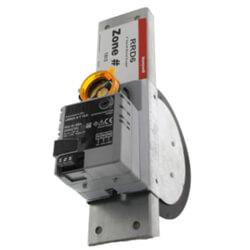
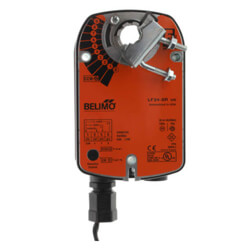
- Damper Controls: Damper controls include the actuators, transformers, and relays that operate motorized dampers within a zoning system. A control failure can leave a damper stuck in one position even when the damper blade itself is undamaged. Replacing the control component alone is often more economical than replacing the entire damper assembly.
- EWC Dampers: EWC dampers are used with EWC Controls zoning panels, another common brand pairing seen in residential zoning retrofits. They are available in a range of duct sizes and configurations similar to other zoning-compatible dampers. Matching the control voltage between the damper and the panel is a key step before installation.
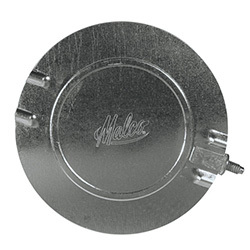
- Greenheck Dampers: Greenheck dampers are more commonly found in commercial and light commercial ventilation systems rather than residential zoning. They include fire, smoke, and control dampers built to different duty ratings than typical residential products. Selecting the correct type depends on the application, whether that is life-safety code compliance or basic airflow balancing.
Buying Guide
Selecting the right damper starts with identifying whether the application is a manual balancing damper or a motorized damper tied into a zoning control system. Manual dampers are set once and adjusted only during system balancing, while motorized dampers require matching control voltage and actuator type to the existing or planned zone panel.
Duct shape and size determine the physical fit of any damper, whether round, oval, or rectangular. Measuring the existing duct opening precisely, rather than estimating from a nearby fitting, prevents an installation delay caused by an undersized or oversized damper blade.
For motorized dampers, brand compatibility with the zone control panel matters as much as size. Panels from different manufacturers can use different control voltages, wiring configurations, or communication protocols. A damper that fits physically may still fail to operate correctly if it is not electrically matched to the panel driving it.
Commercial applications introduce additional requirements around fire and smoke dampers. These are built to meet specific duty ratings and code requirements that residential balancing dampers do not need to meet. Confirming the application, whether it is a life-safety installation or standard comfort zoning, determines which product category applies.
Replacing a failed damper actuator or control component separately from the damper blade is often the more economical repair path. This applies when the blade and housing are still in good condition. Diagnosing whether the failure is mechanical, in the blade or linkage, or electrical, in the actuator or control wiring, narrows down which part actually needs to be ordered.
Frequently Asked Questions
What is the difference between a manual and a motorized damper?
A manual damper is set to a fixed position during system balancing and does not move again until manually adjusted. A motorized damper connects to a zoning control panel or actuator and opens or closes automatically based on thermostat calls.
Do dampers need to match the brand of the zone control panel?
For motorized dampers, matching or confirming compatibility with the existing zone panel's control voltage and wiring is important. Panels from different manufacturers do not always use the same electrical configuration. Manual dampers do not have this requirement since they have no electrical connection.
How do I know if a damper problem is mechanical or electrical?
A damper blade that is physically stuck, bent, or disconnected from its linkage points to a mechanical issue. A blade that moves freely by hand but does not respond to the thermostat points to an actuator or control wiring problem. Testing the blade by hand first helps narrow down which component to replace.
What size damper do I need for a round duct?
Measuring the inside diameter of the existing duct opening directly, rather than relying on a nominal size listed on old paperwork, gives the most accurate sizing information. Round dampers are typically sold by diameter in standard duct-size increments.
When is a fire or smoke damper required instead of a standard damper?
Fire and smoke dampers are required where ductwork passes through fire-rated walls, floors, or other assemblies as specified by local building code. They carry duty ratings that standard comfort-zoning dampers do not meet. Checking the application against local code requirements before ordering avoids installing the wrong product type.
Resources
Subcategories
- Aprilaire Dampers: Aprilaire dampers are built to integrate with Aprilaire zoning panels and thermostats, giving technicians a matched set of components for new zoning installations. They are commonly specified when the rest of the zoning system on a job is already Aprilaire equipment. Confirming panel compatibility before ordering keeps the zoning control logic consistent.
- Arzel Dampers: Arzel dampers pair with Arzel zone control panels and are often chosen for retrofit zoning projects. They come in a range of shapes and sizes to fit round and rectangular duct runs. Technicians typically select them based on the existing panel brand already installed at the property.
- Bluefin Dampers: Bluefin dampers are SupplyHouse's private-label option for standard residential zoning and balancing applications. They cover common round and rectangular duct sizes for jobs that do not require a specific name-brand match. They function the same as other motorized or manual dampers in this category, with sizing being the main selection factor.
- Damper Controls: Damper controls include the actuators, transformers, and relays that operate motorized dampers within a zoning system. A control failure can leave a damper stuck in one position even when the damper blade itself is undamaged. Replacing the control component alone is often more economical than replacing the entire damper assembly.
- EWC Dampers: EWC dampers are used with EWC Controls zoning panels, another common brand pairing seen in residential zoning retrofits. They are available in a range of duct sizes and configurations similar to other zoning-compatible dampers. Matching the control voltage between the damper and the panel is a key step before installation.
- Greenheck Dampers: Greenheck dampers are more commonly found in commercial and light commercial ventilation systems rather than residential zoning. They include fire, smoke, and control dampers built to different duty ratings than typical residential products. Selecting the correct type depends on the application, whether that is life-safety code compliance or basic airflow balancing.
Buying Guide
Selecting the right damper starts with identifying whether the application is a manual balancing damper or a motorized damper tied into a zoning control system. Manual dampers are set once and adjusted only during system balancing, while motorized dampers require matching control voltage and actuator type to the existing or planned zone panel.
Duct shape and size determine the physical fit of any damper, whether round, oval, or rectangular. Measuring the existing duct opening precisely, rather than estimating from a nearby fitting, prevents an installation delay caused by an undersized or oversized damper blade.
For motorized dampers, brand compatibility with the zone control panel matters as much as size. Panels from different manufacturers can use different control voltages, wiring configurations, or communication protocols. A damper that fits physically may still fail to operate correctly if it is not electrically matched to the panel driving it.
Commercial applications introduce additional requirements around fire and smoke dampers. These are built to meet specific duty ratings and code requirements that residential balancing dampers do not need to meet. Confirming the application, whether it is a life-safety installation or standard comfort zoning, determines which product category applies.
Replacing a failed damper actuator or control component separately from the damper blade is often the more economical repair path. This applies when the blade and housing are still in good condition. Diagnosing whether the failure is mechanical, in the blade or linkage, or electrical, in the actuator or control wiring, narrows down which part actually needs to be ordered.
Frequently Asked Questions
What is the difference between a manual and a motorized damper?
A manual damper is set to a fixed position during system balancing and does not move again until manually adjusted. A motorized damper connects to a zoning control panel or actuator and opens or closes automatically based on thermostat calls.
Do dampers need to match the brand of the zone control panel?
For motorized dampers, matching or confirming compatibility with the existing zone panel's control voltage and wiring is important. Panels from different manufacturers do not always use the same electrical configuration. Manual dampers do not have this requirement since they have no electrical connection.
How do I know if a damper problem is mechanical or electrical?
A damper blade that is physically stuck, bent, or disconnected from its linkage points to a mechanical issue. A blade that moves freely by hand but does not respond to the thermostat points to an actuator or control wiring problem. Testing the blade by hand first helps narrow down which component to replace.
What size damper do I need for a round duct?
Measuring the inside diameter of the existing duct opening directly, rather than relying on a nominal size listed on old paperwork, gives the most accurate sizing information. Round dampers are typically sold by diameter in standard duct-size increments.
When is a fire or smoke damper required instead of a standard damper?
Fire and smoke dampers are required where ductwork passes through fire-rated walls, floors, or other assemblies as specified by local building code. They carry duty ratings that standard comfort-zoning dampers do not meet. Checking the application against local code requirements before ordering avoids installing the wrong product type.