




5-5/8 Inch Diameter Motors
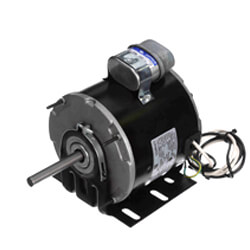
5-5/8 inch diameter motors are a frame size classification for the round electric motors used in condenser fans, indoor blowers, and other HVAC fan applications. The 5-5/8 inch measurement refers to the diameter of the motor's round frame, which is one of several standard sizes used across residential and light commercial HVAC equipment. Matching frame diameter is one of the first checks a technician makes before ordering a replacement motor. A motor with the correct frame size mounts into the existing bracket without modification. A mismatched frame size means the replacement will not physically fit even if the electrical specifications line up.
This category covers the various duty types built on the 5-5/8 inch frame. These include condenser fan motors, indoor blower motors, and multi horsepower replacement motors designed to cover several original equipment models with one part. They also include motors built for single shaft, double shaft, or totally enclosed applications. Selecting the right subcategory depends on where the motor is installed and what shaft configuration the connected fan or blower wheel requires, in addition to matching frame diameter.
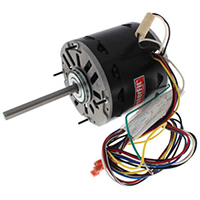
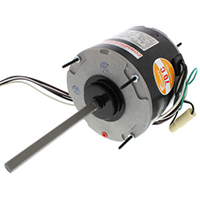
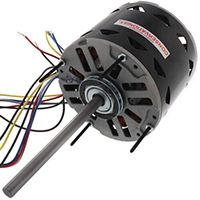
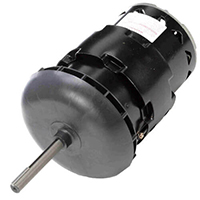
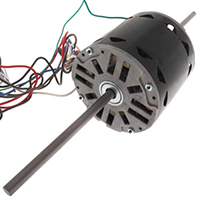
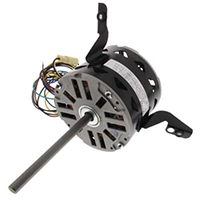
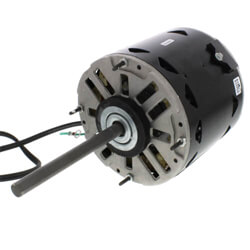
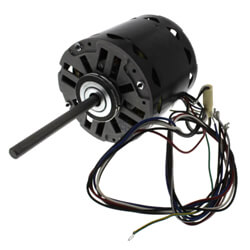

Subcategories
- 5-5/8 Inch Deluxe Condenser Fan Motors: Deluxe condenser fan motors are built specifically for outdoor condensing unit fans. The motor is exposed to weather, heat, and temperature cycling that an indoor motor does not face. These motors typically include weather resistant windings and bearings suited for continuous outdoor duty.
- 5-5/8 Inch Diameter Indoor Blower Motors: Diameter indoor blower motors are sized to the 5-5/8 inch frame for use in furnace and air handler blower assemblies rather than outdoor condenser fans. These motors connect to the blower wheel inside the air handler cabinet and are selected to match the horsepower and speed of the original equipment blower motor.
- 5-5/8 Inch Diameter Stock Motors: Diameter stock motors are general purpose replacement motors built on the 5-5/8 inch frame. They suit a range of standard HVAC fan and blower applications rather than one specific original equipment model. These are a practical option when an exact original equipment match is not required and a standard specification motor will do the job.
- 5-5/8 Inch Double Shaft Fan/Blower Motors: Double shaft fan/blower motors have a shaft extending from both ends of the motor rather than one. This allows a single motor to drive two separate fan wheels, or a fan wheel and a pulley, at the same time. This configuration is used in equipment layouts where two rotating loads need to be driven from a single motor.
- 5-5/8 Inch Fan/Blower Motors: Fan/blower motors on the 5-5/8 inch frame cover general single shaft applications used in a range of condenser fan and blower configurations. These motors are selected primarily by horsepower, speed, and rotation direction to match the original equipment being replaced.
- 5-5/8 Inch Multi-Horsepower Motors: Multi horsepower motors are built to cover more than one horsepower rating in a single replacement part. A tap or connection change sets the correct output for the application. This lets a technician stock fewer individual motors while still covering a range of original equipment horsepower ratings on the truck.
Buying Guide
Frame diameter is the starting point for any motor replacement. The 5-5/8 inch size refers specifically to the diameter of the motor's round body, not its horsepower, shaft length, or mounting style. Confirm the frame size stamped on the nameplate of the failed motor rather than assuming based on the equipment brand or age. This avoids ordering a motor that will not physically mount in the existing bracket.
Horsepower, voltage, and speed (RPM) need to match the original motor as closely as possible. A motor with too little horsepower will strain under load. One with too much can push more air or refrigerant flow than the system was designed to handle. Nameplate data from the failed motor is the most reliable source for these values when the original equipment documentation is not available.
Shaft configuration, whether single shaft, double shaft, or a specific shaft length and diameter, needs to match the fan wheel or pulley the motor connects to. A double shaft motor will not substitute for a single shaft application without modifying the mounting. Shaft length differences can leave a fan wheel misaligned even when the motor otherwise fits.
Rotation direction, marked on the motor nameplate as CW (clockwise) or CCW (counterclockwise) when viewed from a specified end, needs to match the original motor exactly. Installing a motor with the wrong rotation direction can run a fan or blower backward, which reduces airflow even though the motor itself is otherwise functioning normally.
Enclosure type, such as open, totally enclosed, or specifically weather protected for outdoor duty, should match the environment the motor operates in. An indoor blower motor moved to an outdoor condenser application, or the reverse, is exposed to conditions the enclosure was not built to handle. This shortens the motor's service life.
Frequently Asked Questions
What does the 5-5/8 inch measurement refer to on these motors?
The 5-5/8 inch measurement refers to the diameter of the motor's round frame or body, which is a standard sizing category used across HVAC fan and blower motors. It does not describe horsepower, shaft length, or any other electrical specification, so frame diameter is checked separately from those other values.
What is the difference between a single shaft and a double shaft motor?
A single shaft motor has one shaft extending from one end, used to drive a single fan wheel or pulley. A double shaft motor has a shaft extending from both ends. This allows it to drive two separate loads, such as a fan wheel on one end and a pulley on the other. The two are not interchangeable without changing the mounting and drive setup.
How is motor rotation direction determined and why does it matter?
Rotation direction is marked on the motor nameplate as clockwise or counterclockwise, viewed from a specified end of the motor. Installing a motor with the wrong rotation direction causes the connected fan or blower wheel to move air less effectively, even though the motor itself runs normally.
Can a multi horsepower motor replace a single horsepower original equipment motor?
Yes, a multi horsepower motor is designed to cover several horsepower ratings using a tap or wiring change to set the correct output. It can replace a single horsepower original equipment motor as long as the frame size, shaft configuration, and electrical specifications otherwise match. Setting the correct tap for the intended horsepower is a required step during installation.
Is an indoor blower motor different from an outdoor condenser fan motor on the same frame size?
Yes. Even on the same 5-5/8 inch frame, indoor blower motors and outdoor condenser fan motors are typically built with different enclosure types and weather protection. A condenser fan motor faces outdoor exposure that an indoor blower motor does not. Matching the motor's intended application to its actual installation location, not just its frame size, is part of selecting the correct replacement.
Resources
Subcategories
- 5-5/8 Inch Deluxe Condenser Fan Motors: Deluxe condenser fan motors are built specifically for outdoor condensing unit fans. The motor is exposed to weather, heat, and temperature cycling that an indoor motor does not face. These motors typically include weather resistant windings and bearings suited for continuous outdoor duty.
- 5-5/8 Inch Diameter Indoor Blower Motors: Diameter indoor blower motors are sized to the 5-5/8 inch frame for use in furnace and air handler blower assemblies rather than outdoor condenser fans. These motors connect to the blower wheel inside the air handler cabinet and are selected to match the horsepower and speed of the original equipment blower motor.
- 5-5/8 Inch Diameter Stock Motors: Diameter stock motors are general purpose replacement motors built on the 5-5/8 inch frame. They suit a range of standard HVAC fan and blower applications rather than one specific original equipment model. These are a practical option when an exact original equipment match is not required and a standard specification motor will do the job.
- 5-5/8 Inch Double Shaft Fan/Blower Motors: Double shaft fan/blower motors have a shaft extending from both ends of the motor rather than one. This allows a single motor to drive two separate fan wheels, or a fan wheel and a pulley, at the same time. This configuration is used in equipment layouts where two rotating loads need to be driven from a single motor.
- 5-5/8 Inch Fan/Blower Motors: Fan/blower motors on the 5-5/8 inch frame cover general single shaft applications used in a range of condenser fan and blower configurations. These motors are selected primarily by horsepower, speed, and rotation direction to match the original equipment being replaced.
- 5-5/8 Inch Multi-Horsepower Motors: Multi horsepower motors are built to cover more than one horsepower rating in a single replacement part. A tap or connection change sets the correct output for the application. This lets a technician stock fewer individual motors while still covering a range of original equipment horsepower ratings on the truck.
Buying Guide
Frame diameter is the starting point for any motor replacement. The 5-5/8 inch size refers specifically to the diameter of the motor's round body, not its horsepower, shaft length, or mounting style. Confirm the frame size stamped on the nameplate of the failed motor rather than assuming based on the equipment brand or age. This avoids ordering a motor that will not physically mount in the existing bracket.
Horsepower, voltage, and speed (RPM) need to match the original motor as closely as possible. A motor with too little horsepower will strain under load. One with too much can push more air or refrigerant flow than the system was designed to handle. Nameplate data from the failed motor is the most reliable source for these values when the original equipment documentation is not available.
Shaft configuration, whether single shaft, double shaft, or a specific shaft length and diameter, needs to match the fan wheel or pulley the motor connects to. A double shaft motor will not substitute for a single shaft application without modifying the mounting. Shaft length differences can leave a fan wheel misaligned even when the motor otherwise fits.
Rotation direction, marked on the motor nameplate as CW (clockwise) or CCW (counterclockwise) when viewed from a specified end, needs to match the original motor exactly. Installing a motor with the wrong rotation direction can run a fan or blower backward, which reduces airflow even though the motor itself is otherwise functioning normally.
Enclosure type, such as open, totally enclosed, or specifically weather protected for outdoor duty, should match the environment the motor operates in. An indoor blower motor moved to an outdoor condenser application, or the reverse, is exposed to conditions the enclosure was not built to handle. This shortens the motor's service life.
Frequently Asked Questions
What does the 5-5/8 inch measurement refer to on these motors?
The 5-5/8 inch measurement refers to the diameter of the motor's round frame or body, which is a standard sizing category used across HVAC fan and blower motors. It does not describe horsepower, shaft length, or any other electrical specification, so frame diameter is checked separately from those other values.
What is the difference between a single shaft and a double shaft motor?
A single shaft motor has one shaft extending from one end, used to drive a single fan wheel or pulley. A double shaft motor has a shaft extending from both ends. This allows it to drive two separate loads, such as a fan wheel on one end and a pulley on the other. The two are not interchangeable without changing the mounting and drive setup.
How is motor rotation direction determined and why does it matter?
Rotation direction is marked on the motor nameplate as clockwise or counterclockwise, viewed from a specified end of the motor. Installing a motor with the wrong rotation direction causes the connected fan or blower wheel to move air less effectively, even though the motor itself runs normally.
Can a multi horsepower motor replace a single horsepower original equipment motor?
Yes, a multi horsepower motor is designed to cover several horsepower ratings using a tap or wiring change to set the correct output. It can replace a single horsepower original equipment motor as long as the frame size, shaft configuration, and electrical specifications otherwise match. Setting the correct tap for the intended horsepower is a required step during installation.
Is an indoor blower motor different from an outdoor condenser fan motor on the same frame size?
Yes. Even on the same 5-5/8 inch frame, indoor blower motors and outdoor condenser fan motors are typically built with different enclosure types and weather protection. A condenser fan motor faces outdoor exposure that an indoor blower motor does not. Matching the motor's intended application to its actual installation location, not just its frame size, is part of selecting the correct replacement.