




AO Smith Dura-Power (DSE) Electric Water Heaters

 --%3E %3Csvg version='1.1' id='No-RB' xmlns='http://www.w3.org/2000/svg' xmlns:xlink='http://www.w3.org/1999/xlink' x='0px' y='0px' viewBox='0 0 100 100' enable-background='new 0 0 100 100' xml:space='preserve'%3E %3Cpath fill='%23CECECE' d='M79.44,0.95H20.56C9.78,0.95,0.95,9.78,0.95,20.56v58.87c0,10.79,8.82,19.61,19.61,19.61h58.87 c10.79,0,19.61-8.83,19.61-19.61V20.56C99.05,9.78,90.22,0.95,79.44,0.95z M65.38,58.24l9.38,29.58L49.69,69.78L24.5,87.82 l9.34-29.6L8.8,39.6l30.73-0.17c0,0,6.98-19.61,10-28.93c0.54,1.36,9.88,29.1,9.88,29.1H91.2L65.38,58.24z'/%3E %3C/svg%3E)


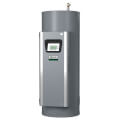
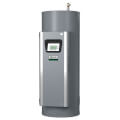

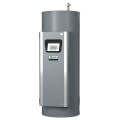
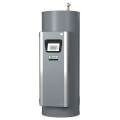
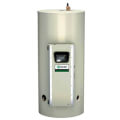
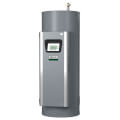

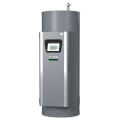

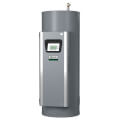
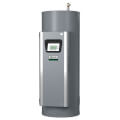

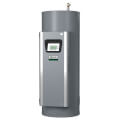

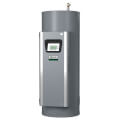

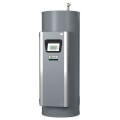
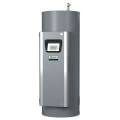
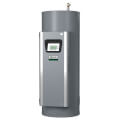
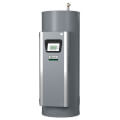
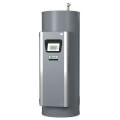
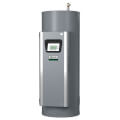
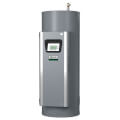
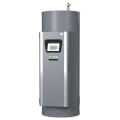
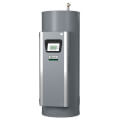
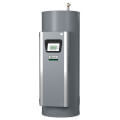
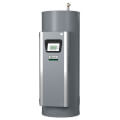
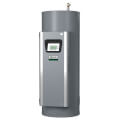
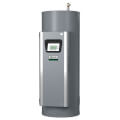
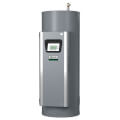
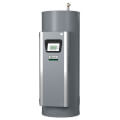
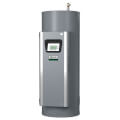
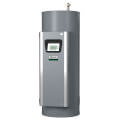
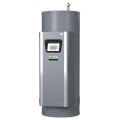
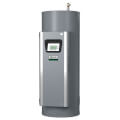
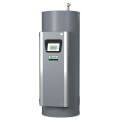
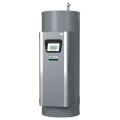
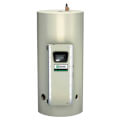
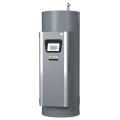
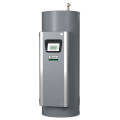
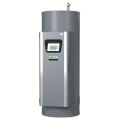
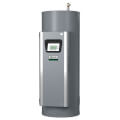

AO Smith Dura-Power (DSE) electric water heaters are residential and light commercial units that rely on electric resistance elements instead of a gas burner or heat pump compressor. Plumbing contractors reach for this line on jobs where gas service is not available, where local code favors electric appliances, or where a straightforward install without venting or gas piping saves time on a tight schedule. A glass-lined steel tank helps resist corrosion from mineral-rich water over the life of the unit, and a foam insulation jacket cuts standby heat loss between draws.
Because the units connect directly to an existing water supply and electrical circuit, they fit well in apartment buildings, condos, and single-family homes alike, and they mount easily in a utility closet or garage without a flue to route. Contractors handling replacement work on a call-back or emergency basis often favor the Dura-Power (DSE) line for its predictable install footprint and parts availability.
Subcategories
- Standard Capacity Units: Sized for typical single-family homes and small apartments, these units cover routine household hot water demand without requiring special electrical service beyond a standard 240V circuit. Contractors often specify them for straightforward tank swaps.
- Compact and Point-of-Use Units: Built for tight utility closets, under-counter spaces, or secondary fixtures far from the main water heater. These smaller-footprint units help contractors solve hot water lag on remote bathrooms or kitchens without a full re-pipe.
- Commercial-Duty Units: Designed for higher recovery demand in light commercial settings such as small offices, salons, or multi-unit buildings. Heavier-duty elements and thermostats support more frequent draw cycles than a residential-only unit.
- Replacement Parts and Elements: Heating elements, thermostats, anode rods, and drain valves sized to fit the Dura-Power (DSE) tank line, letting contractors service an existing unit instead of a full replacement when the tank itself is still sound.
Buying Guide
Selecting the right AO Smith Dura-Power (DSE) electric water heater starts with matching tank capacity to household or building demand. A unit sized too small leads to run-out complaints during peak morning and evening draws, while an oversized tank wastes standby energy and floor space. Contractors should confirm the available electrical service before quoting a job, since larger-capacity units typically call for dedicated circuit amperage that an older panel may not support without an upgrade.
Recovery rate matters as much as raw capacity, especially in multi-bathroom households or light commercial settings where several fixtures draw hot water in a short window. Reviewing element wattage and voltage against the panel's existing circuits up front avoids a return trip to add capacity later.
Physical clearance is another practical constraint: utility closets, garages, and mechanical rooms often dictate tank height and diameter more than performance specs do. Measuring the install space and any doorway or stairwell the unit has to pass through prevents a delivery-day surprise.
Water quality also plays into unit selection. Mineral-heavy supply water shortens tank life and anode rod service intervals, so a contractor working in a hard-water region may want to pair the water heater with a whole-house filtration or softening system, or plan for more frequent anode inspection.
Finally, contractors should weigh warranty terms and parts availability alongside price, since a unit with readily stocked elements and thermostats keeps future service calls fast and keeps the customer's downtime low if a component ever fails.
Frequently Asked Questions
What electrical service does a Dura-Power (DSE) electric water heater need?
Most residential units run on a dedicated 240V circuit sized to the element wattage. Confirming panel capacity before installation avoids having to upgrade service mid-job.
Can a smaller Dura-Power (DSE) unit serve a full household?
It depends on household size and simultaneous demand. A plumber can size the unit based on the number of bathrooms and typical peak-hour usage to avoid run-out.
How often should the anode rod be checked?
Anode rods should be inspected periodically, with more frequent checks in areas with mineral-heavy or aggressive water, since a depleted rod shortens tank life.
Do these units need venting like a gas water heater?
No. Electric resistance units do not burn fuel, so they do not require a flue or combustion air, which simplifies installation in tight mechanical spaces.
Are replacement elements and thermostats easy to source for this line?
Yes, Dura-Power (DSE) elements, thermostats, and anode rods are stocked as standard service parts, which keeps repair calls quick instead of waiting on a special order.
