




Filters
SORT
Product Availability –
Capacity (Gallons) –
Diameter (Inches) –
Review Score –
 --%3E %3Csvg version='1.1' id='Fill' xmlns='http://www.w3.org/2000/svg' xmlns:xlink='http://www.w3.org/1999/xlink' x='0px' y='0px' viewBox='0 0 100 100' enable-background='new 0 0 100 100' xml:space='preserve'%3E %3Cpath fill='%23F15C02' d='M79.44,0.95H20.56C9.78,0.95,0.95,9.78,0.95,20.56v58.87c0,10.79,8.82,19.61,19.61,19.61h58.87 c10.79,0,19.61-8.83,19.61-19.61V20.56C99.05,9.78,90.22,0.95,79.44,0.95z M65.38,58.24l9.38,29.58L49.69,69.78L24.5,87.82 l9.34-29.6L8.8,39.6l30.73-0.17c0,0,6.98-19.61,10-28.93c0.54,1.36,9.88,29.1,9.88,29.1H91.2L65.38,58.24z'/%3E %3C/svg%3E)
 --%3E %3Csvg version='1.1' id='With-RB' xmlns='http://www.w3.org/2000/svg' xmlns:xlink='http://www.w3.org/1999/xlink' x='0px' y='0px' viewBox='0 0 100 100' enable-background='new 0 0 100 100' xml:space='preserve'%3E %3Cpath fill='%23FBC8B4' d='M79.44,0.95H20.56C9.78,0.95,0.95,9.78,0.95,20.56v58.87c0,10.79,8.82,19.61,19.61,19.61h58.87 c10.79,0,19.61-8.83,19.61-19.61V20.56C99.05,9.78,90.22,0.95,79.44,0.95z M65.38,58.24l9.38,29.58L49.69,69.78L24.5,87.82 l9.34-29.6L8.8,39.6l30.73-0.17c0,0,6.98-19.61,10-28.93c0.54,1.36,9.88,29.1,9.88,29.1H91.2L65.38,58.24z'/%3E %3C/svg%3E)
Price Range –
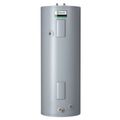
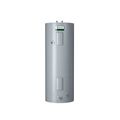
AO Smith Solar Residential Water Heaters
 --%3E %3Csvg version='1.1' id='Half' xmlns='http://www.w3.org/2000/svg' xmlns:xlink='http://www.w3.org/1999/xlink' x='0px' y='0px' viewBox='0 0 100 100' enable-background='new 0 0 100 100' xml:space='preserve'%3E %3Cg%3E %3Cpath fill='%23F15C02' d='M30.05,70.23l3.79-12.01L8.8,39.6l30.73-0.17c0,0,6.98-19.61,10-28.93c0.54,1.36,9.88,29.1,9.88,29.1h1.58 L93.71,7.18c-3.58-3.82-8.66-6.23-14.28-6.23H20.56C9.78,0.95,0.95,9.78,0.95,20.56v58.87c0,5.41,2.22,10.32,5.79,13.88 L30.05,70.23z'/%3E %3C/g%3E %3Cpath fill='%23FBC8B4' d='M93.71,7.18L60.98,39.6H91.2L65.38,58.24l9.38,29.58L49.69,69.78L24.5,87.82l5.55-17.59L6.75,93.32 c3.55,3.54,8.44,5.73,13.82,5.73h58.87c10.79,0,19.61-8.83,19.61-19.61V20.56C99.05,15.4,97.01,10.69,93.71,7.18z'/%3E %3C/svg%3E)
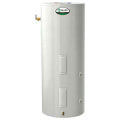


AO Smith Solar Residential Water Heaters are water heating systems that use rooftop solar thermal collectors to preheat water before it reaches a conventional gas or electric backup tank, reducing the energy the backup heater needs to bring water up to temperature. A closed loop of heat transfer fluid circulates between the roof mounted collectors and a heat exchanger connected to the storage tank, so the collector loop never mixes directly with the household's potable water supply. Because solar output varies with weather and time of day, the backup heater automatically takes over whenever the solar loop can't supply enough preheated water on its own, keeping hot water available on cloudy days or during high demand. Homeowners in regions with consistent sun exposure looking to lower water heating costs over the long run tend to see the most benefit from these systems, though upfront equipment and installation costs run higher than a standalone gas or electric water heater. Panel orientation, local climate, and household hot water demand all factor into how much of the total heating load the solar collectors can realistically offset.
Subcategories
- Solar Collectors: Solar collectors mount on the roof or another sun exposed surface and absorb solar radiation to heat the transfer fluid circulating through the closed collector loop. Flat plate and evacuated tube are the two most common collector styles, differing mainly in how well they retain heat in colder or cloudier conditions. Collector orientation and tilt angle affect how much energy the system captures across the day and across seasons. Sizing collector area to household hot water demand keeps the system from being under or oversized for the home it serves.
- Storage Tanks and Heat Exchangers: Storage tanks hold the preheated water and house or connect to the heat exchanger that transfers heat from the collector loop's fluid into the household water supply without the two mixing directly. Tank capacity needs to match household hot water demand, since an undersized tank runs out of preheated water faster during high use periods. Insulation quality on the tank affects how much preheated water stays hot between periods of solar collection. Many tanks integrate a connection point for the backup gas or electric heating element as well.
- Circulation Pumps and Controls: Circulation pumps move heat transfer fluid between the roof mounted collectors and the storage tank's heat exchanger, typically controlled by a differential temperature controller that only runs the pump when the collector is hotter than the tank. Running the pump only under that condition keeps the system from circulating fluid that would cool the tank rather than heat it during low sun conditions. Controller settings and sensor placement affect how efficiently the system responds to changing weather throughout the day. A failed pump or controller typically shows up as reduced solar contribution and increased reliance on the backup heater.
- Backup Heating Elements and Controls: Backup heating elements, either gas burners or electric elements depending on the model, bring water the rest of the way to the target temperature whenever solar preheating alone isn't enough. Controls automatically switch between drawing on solar preheated water and activating the backup element based on the water temperature already achieved by the solar loop. Sizing the backup element to handle full household demand independently matters, since the system needs to function through extended periods of low sun exposure. Backup components generally follow the same maintenance schedule as a standalone gas or electric water heater of the same type.
Buying Guide
Selecting an AO Smith Solar Residential Water Heater starts with evaluating how much usable roof space with consistent sun exposure a home actually has, since collector area and orientation directly determine how much of the household's hot water demand the solar loop can offset before the backup heater has to take over. Storage tank capacity needs to match household hot water usage patterns, and a household with high simultaneous demand, such as running a dishwasher and shower at the same time, needs a larger tank than a smaller household with staggered use. Choosing between a gas or electric backup element usually comes down to what fuel source is already available at the installation site and its ongoing operating cost in the local area, since either backup type performs similarly once it's activated. Local climate matters beyond just average sunshine: regions with hard freezes need a system with additional freeze protection built into the collector loop, since the roof mounted collectors and their exterior piping are exposed to outdoor temperatures. Because these systems combine plumbing, roofing penetration, and in some cases electrical work, confirming installation is handled by a contractor familiar with solar thermal systems specifically, rather than a standard water heater installer alone, helps installation go smoothly. Considering the upfront equipment and installation cost against expected long term savings on water heating energy use, based on local utility rates and typical sun exposure, helps determine whether a solar system fits a specific household's budget and timeline.
Frequently Asked Questions
What happens to hot water supply on a cloudy day?
The backup gas or electric heating element automatically takes over whenever the solar collector loop can't supply enough preheated water on its own, so hot water stays available regardless of weather. The system doesn't require manual switching between solar and backup heating, since a controller manages that transition automatically based on water temperature. Extended periods of low sun exposure simply mean the backup element runs more often, similar to a standalone water heater.
Does the collector loop fluid mix with the household's drinking water?
No, the collector loop circulates a separate heat transfer fluid in a closed system that never mixes directly with the household's potable water supply. A heat exchanger transfers heat from that fluid into the water in the storage tank without the two fluids coming into direct contact. Keeping the two fluids separate this way also allows the collector loop to use a fluid formulated for freeze protection in colder climates without affecting water quality.
How much of a household's water heating energy use can solar collectors realistically offset?
The amount varies significantly based on collector area, roof orientation, local climate, and household hot water demand, so there's no single figure that applies to every installation. Homes with more consistent sun exposure and lower simultaneous hot water demand generally see a higher percentage of their heating load offset by solar collection. A contractor familiar with solar thermal systems can estimate expected performance based on a specific home's roof and usage patterns before installation.
Is a solar water heater a good fit for a region with hard winter freezes?
It can be, provided the system includes adequate freeze protection built into the collector loop and any exterior piping, since those components are exposed to outdoor temperatures unlike a conventional indoor water heater. Freeze protection typically comes from the type of heat transfer fluid used in the closed collector loop rather than from insulation alone. Confirming freeze protection specifications with an installer familiar with the local climate is worth doing before choosing a system for a cold weather region.
What kind of contractor should install a solar residential water heater?
Installation generally involves plumbing, roof penetration for mounting the collectors, and sometimes electrical work for controls and backup elements, so a contractor experienced specifically with solar thermal systems, rather than a standard water heater installer alone, is generally the better choice. Working with someone unfamiliar with roof mounted solar equipment increases the risk of a poorly sealed roof penetration or an undersized collector array. Checking a contractor's specific experience with solar water heating systems before hiring is worth confirming ahead of the job.
