



HVAC Actuators and Valves
HVAC actuators and valves are the components that convert an electrical or pneumatic control signal into physical motion. They open, close, or modulate a damper or valve to regulate airflow or fluid flow through a heating and cooling system. A building automation system, thermostat, or zone control panel sends the signal, and the actuator or valve responds by adjusting its position to match the requested setpoint.
Facility technicians and contractors most often use this category to replace a failed actuator on a zone damper. They also replace a modulating valve on a hot water or chilled water coil, or a control valve tied into a building automation system. Match the control signal type, torque or force rating, and mounting or linkage style to the original component. This keeps the zone or loop operating as the system was originally designed.


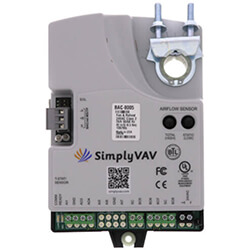


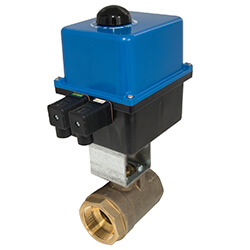
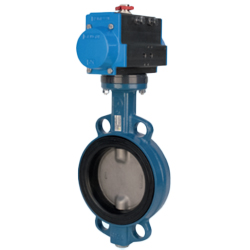

Subcategories
- Apollo Valves Actuators: Apollo Valves actuators and valves cover motorized and manual ball valve assemblies used to control water flow in HVAC piping systems. Contractors select this line for zone isolation and modulating control on hydronic heating and cooling loops. They match pipe size and actuator voltage to the existing valve body.
- Barber Colman Actuators & Valves: Barber Colman actuators and valves are a legacy control line still found on older pneumatic and electric zoning systems in commercial buildings. Technicians servicing these older installations use this category to source a matching replacement actuator without having to convert the whole zone to a newer control platform.
- Belimo Actuators & Valves: Belimo actuators and valves are widely specified on commercial HVAC damper and valve applications. The line offers spring-return, non-spring-return, and modulating control options. Building automation contractors reference the original control signal, either two-position, floating point, or 0-10V modulating, when selecting a replacement from this line.
- Bonomi Actuators & Valves: Bonomi actuators and valves pair electric or pneumatic actuators with ball valve bodies for HVAC and process piping control. The line covers a range of pipe sizes and end connections, so matching the existing valve body size and connection type is the first step in a replacement.
- Bray Actuators & Valves: Bray actuators and valves combine quarter-turn electric or pneumatic actuators with butterfly and ball valve bodies. They are commonly used on larger commercial hydronic piping where a butterfly valve suits the pipe diameter better than a ball valve. Torque rating and pipe size both need to match the original installation.
- Erie Actuators & Valves: Erie actuators and valves are a longstanding line of zone valves and actuators. They are used on residential and light commercial hydronic heating systems, including radiant and baseboard zoning. Technicians commonly reference the original valve body and actuator voltage when sourcing a replacement from this line.
Buying Guide
Identifying the correct replacement actuator or valve starts with the control signal the building automation system or thermostat sends. Two-position (on/off), floating point (three-wire), and analog modulating (0-10V or 4-20mA) are the three most common signal types. An actuator built for one signal type generally cannot be substituted for another without also changing the controller output.
Torque or force rating matters as much as signal type. A damper actuator needs enough torque to overcome the damper blade's resistance across its full range of motion. A valve actuator needs enough force to seat the valve fully against system pressure. Undersized replacements can fail to fully open or close, leaving a zone under or overheated.
Spring-return actuators drive the damper or valve to a fail-safe position on loss of power or control signal, which life-safety and smoke-control applications typically require. Non-spring-return actuators hold their last position on a power loss instead, which is acceptable on many comfort-only zones but not on applications with a code-driven fail-safe requirement.
Mounting and linkage style need to match the existing damper shaft or valve stem. Actuators from different manufacturers are not always interchangeable, even when torque and signal type line up. Shaft size, linkage arm length, and mounting bracket pattern all factor into fit.
Valve body compatibility is the other half of a valve actuator replacement. Two-way and three-way valve bodies handle flow control differently. An actuator sized for one valve body's stroke length and force requirement will not necessarily work on a different manufacturer's valve body, even at the same pipe size.
Frequently Asked Questions
What is the difference between a spring-return and non-spring-return actuator?
A spring-return actuator uses internal spring tension to drive the damper or valve to a preset fail-safe position when power or the control signal is lost. A non-spring-return actuator simply holds its last commanded position instead, which works for many comfort applications but not for zones with a fail-safe code requirement.
Can a floating point actuator be replaced with a two-position actuator?
Not without also changing the controller output. A floating point (three-wire) actuator expects incremental open and close signals, while a two-position actuator only recognizes a single on or off command. Matching the replacement actuator's signal type to the existing controller avoids a control mismatch.
How do I size the torque rating for a damper actuator?
Torque sizing depends on the damper blade area, the air pressure across the damper, and any linkage mechanical advantage. Undersizing torque can leave the damper unable to fully open or close against system pressure.
Are actuators from different manufacturers interchangeable on the same valve body?
Not reliably. Stroke length, mounting pattern, and required force vary between valve body manufacturers. An actuator sized correctly for one valve body will not necessarily seat and seal a different manufacturer's valve body at the same pipe size.
What does a modulating (0-10V) actuator do differently from an on/off actuator?
A modulating actuator positions the damper or valve anywhere across its full range in response to a variable analog signal. This allows partial airflow or flow adjustments rather than only fully open or fully closed. Variable-air-volume and modulating hydronic applications get finer control from that capability than a simple on/off actuator can provide.
Resources
Subcategories
- Apollo Valves Actuators: Apollo Valves actuators and valves cover motorized and manual ball valve assemblies used to control water flow in HVAC piping systems. Contractors select this line for zone isolation and modulating control on hydronic heating and cooling loops. They match pipe size and actuator voltage to the existing valve body.
- Barber Colman Actuators & Valves: Barber Colman actuators and valves are a legacy control line still found on older pneumatic and electric zoning systems in commercial buildings. Technicians servicing these older installations use this category to source a matching replacement actuator without having to convert the whole zone to a newer control platform.
- Belimo Actuators & Valves: Belimo actuators and valves are widely specified on commercial HVAC damper and valve applications. The line offers spring-return, non-spring-return, and modulating control options. Building automation contractors reference the original control signal, either two-position, floating point, or 0-10V modulating, when selecting a replacement from this line.
- Bonomi Actuators & Valves: Bonomi actuators and valves pair electric or pneumatic actuators with ball valve bodies for HVAC and process piping control. The line covers a range of pipe sizes and end connections, so matching the existing valve body size and connection type is the first step in a replacement.
- Bray Actuators & Valves: Bray actuators and valves combine quarter-turn electric or pneumatic actuators with butterfly and ball valve bodies. They are commonly used on larger commercial hydronic piping where a butterfly valve suits the pipe diameter better than a ball valve. Torque rating and pipe size both need to match the original installation.
- Erie Actuators & Valves: Erie actuators and valves are a longstanding line of zone valves and actuators. They are used on residential and light commercial hydronic heating systems, including radiant and baseboard zoning. Technicians commonly reference the original valve body and actuator voltage when sourcing a replacement from this line.
Buying Guide
Identifying the correct replacement actuator or valve starts with the control signal the building automation system or thermostat sends. Two-position (on/off), floating point (three-wire), and analog modulating (0-10V or 4-20mA) are the three most common signal types. An actuator built for one signal type generally cannot be substituted for another without also changing the controller output.
Torque or force rating matters as much as signal type. A damper actuator needs enough torque to overcome the damper blade's resistance across its full range of motion. A valve actuator needs enough force to seat the valve fully against system pressure. Undersized replacements can fail to fully open or close, leaving a zone under or overheated.
Spring-return actuators drive the damper or valve to a fail-safe position on loss of power or control signal, which life-safety and smoke-control applications typically require. Non-spring-return actuators hold their last position on a power loss instead, which is acceptable on many comfort-only zones but not on applications with a code-driven fail-safe requirement.
Mounting and linkage style need to match the existing damper shaft or valve stem. Actuators from different manufacturers are not always interchangeable, even when torque and signal type line up. Shaft size, linkage arm length, and mounting bracket pattern all factor into fit.
Valve body compatibility is the other half of a valve actuator replacement. Two-way and three-way valve bodies handle flow control differently. An actuator sized for one valve body's stroke length and force requirement will not necessarily work on a different manufacturer's valve body, even at the same pipe size.
Frequently Asked Questions
What is the difference between a spring-return and non-spring-return actuator?
A spring-return actuator uses internal spring tension to drive the damper or valve to a preset fail-safe position when power or the control signal is lost. A non-spring-return actuator simply holds its last commanded position instead, which works for many comfort applications but not for zones with a fail-safe code requirement.
Can a floating point actuator be replaced with a two-position actuator?
Not without also changing the controller output. A floating point (three-wire) actuator expects incremental open and close signals, while a two-position actuator only recognizes a single on or off command. Matching the replacement actuator's signal type to the existing controller avoids a control mismatch.
How do I size the torque rating for a damper actuator?
Torque sizing depends on the damper blade area, the air pressure across the damper, and any linkage mechanical advantage. Undersizing torque can leave the damper unable to fully open or close against system pressure.
Are actuators from different manufacturers interchangeable on the same valve body?
Not reliably. Stroke length, mounting pattern, and required force vary between valve body manufacturers. An actuator sized correctly for one valve body will not necessarily seat and seal a different manufacturer's valve body at the same pipe size.
What does a modulating (0-10V) actuator do differently from an on/off actuator?
A modulating actuator positions the damper or valve anywhere across its full range in response to a variable analog signal. This allows partial airflow or flow adjustments rather than only fully open or fully closed. Variable-air-volume and modulating hydronic applications get finer control from that capability than a simple on/off actuator can provide.