




Filters
SORT
Product Availability –
Review Score –
 --%3E %3Csvg version='1.1' id='Fill' xmlns='http://www.w3.org/2000/svg' xmlns:xlink='http://www.w3.org/1999/xlink' x='0px' y='0px' viewBox='0 0 100 100' enable-background='new 0 0 100 100' xml:space='preserve'%3E %3Cpath fill='%23F15C02' d='M79.44,0.95H20.56C9.78,0.95,0.95,9.78,0.95,20.56v58.87c0,10.79,8.82,19.61,19.61,19.61h58.87 c10.79,0,19.61-8.83,19.61-19.61V20.56C99.05,9.78,90.22,0.95,79.44,0.95z M65.38,58.24l9.38,29.58L49.69,69.78L24.5,87.82 l9.34-29.6L8.8,39.6l30.73-0.17c0,0,6.98-19.61,10-28.93c0.54,1.36,9.88,29.1,9.88,29.1H91.2L65.38,58.24z'/%3E %3C/svg%3E)
Price Range –
R.W. Beckett Oil Burner Parts





 --%3E %3Csvg version='1.1' id='Half' xmlns='http://www.w3.org/2000/svg' xmlns:xlink='http://www.w3.org/1999/xlink' x='0px' y='0px' viewBox='0 0 100 100' enable-background='new 0 0 100 100' xml:space='preserve'%3E %3Cg%3E %3Cpath fill='%23F15C02' d='M30.05,70.23l3.79-12.01L8.8,39.6l30.73-0.17c0,0,6.98-19.61,10-28.93c0.54,1.36,9.88,29.1,9.88,29.1h1.58 L93.71,7.18c-3.58-3.82-8.66-6.23-14.28-6.23H20.56C9.78,0.95,0.95,9.78,0.95,20.56v58.87c0,5.41,2.22,10.32,5.79,13.88 L30.05,70.23z'/%3E %3C/g%3E %3Cpath fill='%23FBC8B4' d='M93.71,7.18L60.98,39.6H91.2L65.38,58.24l9.38,29.58L49.69,69.78L24.5,87.82l5.55-17.59L6.75,93.32 c3.55,3.54,8.44,5.73,13.82,5.73h58.87c10.79,0,19.61-8.83,19.61-19.61V20.56C99.05,15.4,97.01,10.69,93.71,7.18z'/%3E %3C/svg%3E)


 --%3E %3Csvg version='1.1' id='No-RB' xmlns='http://www.w3.org/2000/svg' xmlns:xlink='http://www.w3.org/1999/xlink' x='0px' y='0px' viewBox='0 0 100 100' enable-background='new 0 0 100 100' xml:space='preserve'%3E %3Cpath fill='%23CECECE' d='M79.44,0.95H20.56C9.78,0.95,0.95,9.78,0.95,20.56v58.87c0,10.79,8.82,19.61,19.61,19.61h58.87 c10.79,0,19.61-8.83,19.61-19.61V20.56C99.05,9.78,90.22,0.95,79.44,0.95z M65.38,58.24l9.38,29.58L49.69,69.78L24.5,87.82 l9.34-29.6L8.8,39.6l30.73-0.17c0,0,6.98-19.61,10-28.93c0.54,1.36,9.88,29.1,9.88,29.1H91.2L65.38,58.24z'/%3E %3C/svg%3E)





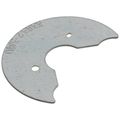

Miscellaneous parts cover the smaller Beckett oil burner components that don't fall under a dedicated part category, including hardware, gaskets, brackets, and small assemblies technicians need to complete a burner rebuild or address an odd failure point. Beckett oil burners are widely used across residential and light commercial heating equipment, and service trucks carrying a range of burner ages benefit from having these supporting parts on hand rather than special-ordering a single bracket or gasket mid-job. Because this category groups parts that don't share one function, technicians typically arrive here by cross-referencing an exploded parts diagram or an OEM part number rather than browsing by symptom. Stocking common miscellaneous items, such as mounting hardware and gaskets, cuts down on return trips for jobs that would otherwise stall on a single missing fastener or seal. Confirming the exact burner model before ordering keeps a like-for-like fit.
Subcategories
- Mounting Hardware & Brackets: Mounting hardware and brackets secure a Beckett oil burner to the boiler or furnace flange and position internal components like the motor and transformer within the burner housing. Technicians reach for these when a rebuild uncovers a stripped fastener or a cracked bracket rather than replacing the entire assembly. Matching bracket style to the specific burner generation keeps mounting geometry correct.
- Gaskets & Seals: Gaskets and seals close the joints between the burner housing, the air tube, and the boiler or furnace flange, preventing air leaks that can throw off the burner's combustion mixture. A burner that's been apart for cleaning or motor replacement typically needs fresh gaskets rather than reusing ones that have already been compressed. Replacing them during any teardown is standard practice.
- Electrical Connectors & Hardware: Electrical connectors and small hardware cover the plugs, terminals, and mounting clips that tie a burner's motor, ignitor, and control components into the rest of the wiring harness. Repeated service disconnects wear these connectors faster than heat or age alone, and a loose or corroded connector is a common source of intermittent burner lockouts. Keeping a small assortment on hand avoids delaying a service call over one bad terminal.
- Coupling & Drive Components: Coupling and drive components link the burner motor to the fuel pump and blower wheel, transferring rotation from the motor shaft. A worn or cracked coupling can cause a burner to run rough or fail to prime the pump consistently. Confirming shaft diameter and coupling style against the original burner model number keeps replacement straightforward.
Buying Guide
Start with the burner's model and serial number before ordering any miscellaneous part, since Beckett has produced multiple burner families over the years and small components like brackets, gaskets, and connectors often aren't interchangeable across generations even when they look similar. An exploded parts diagram for the specific burner model is the most reliable way to identify the correct part number rather than guessing from a general description.
Group orders when possible. If a Miscellaneous Parts order already includes a bracket or gasket, checking whether related items, such as mounting hardware or a matching coupling, are also due for replacement can save a return trip on the same burner, especially on older units where one worn part often signals others nearby are close behind.
Confirm fit before finishing a rebuild rather than after. Test-fitting brackets, gaskets, and couplings against the burner housing catches a wrong part number before the burner is reassembled and fired, which is far less costly in labor time than discovering a mismatch once the unit is buttoned up. For gaskets specifically, inspect the mating surfaces for warping or corrosion, since a new gasket won't seal properly against a damaged flange regardless of fit.
When the exact OEM part isn't available, verify that a generic substitute matches thread pitch, shaft diameter, or gasket thickness precisely, since a close-but-not-exact fit on small hardware is a common source of air leaks and recurring service calls.
Frequently Asked Questions
How do I identify the right miscellaneous part for my Beckett burner?
Matching the burner's model and serial number against an exploded parts diagram is the most reliable way to identify the correct part number, since small components can change across burner generations even when they look similar.
Do gaskets need to be replaced every time a burner is serviced?
Any gasket that's been compressed during a prior assembly should be replaced rather than reused, since a gasket that's already taken a set won't seal as reliably the second time.
What causes a burner coupling to fail?
A coupling typically wears from age or cracks from vibration over time, and a failing coupling often shows up as rough running or inconsistent fuel pump priming.
Can generic hardware replace Beckett-specific brackets and connectors?
A generic substitute can work if thread pitch, shaft diameter, or gasket thickness matches exactly, but a close-but-not-exact fit is a common source of leaks or loose mounting.
Why do burner connectors fail more often than other components?
Connectors see repeated disconnects during service calls, which wears contacts faster than heat or age alone, making loose or corroded connectors a common source of intermittent lockouts.
