




Bell & Gossett Ecocirc XL Domestic Pumps

 --%3E %3Csvg version='1.1' id='No-RB' xmlns='http://www.w3.org/2000/svg' xmlns:xlink='http://www.w3.org/1999/xlink' x='0px' y='0px' viewBox='0 0 100 100' enable-background='new 0 0 100 100' xml:space='preserve'%3E %3Cpath fill='%23CECECE' d='M79.44,0.95H20.56C9.78,0.95,0.95,9.78,0.95,20.56v58.87c0,10.79,8.82,19.61,19.61,19.61h58.87 c10.79,0,19.61-8.83,19.61-19.61V20.56C99.05,9.78,90.22,0.95,79.44,0.95z M65.38,58.24l9.38,29.58L49.69,69.78L24.5,87.82 l9.34-29.6L8.8,39.6l30.73-0.17c0,0,6.98-19.61,10-28.93c0.54,1.36,9.88,29.1,9.88,29.1H91.2L65.38,58.24z'/%3E %3C/svg%3E)
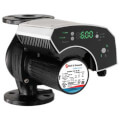
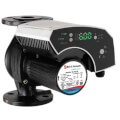
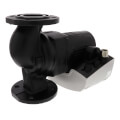
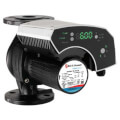


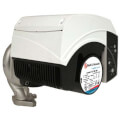

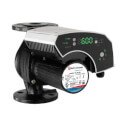
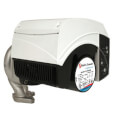


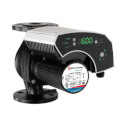
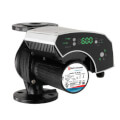
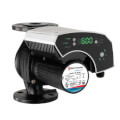
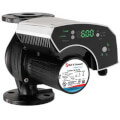
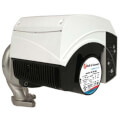
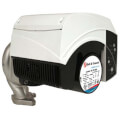




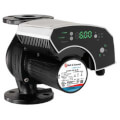
Bell & Gossett Ecocirc XL Domestic Pumps are high-efficiency, electronically commutated wet-rotor circulator pumps built for domestic hot water recirculation and smaller hydronic heating applications. The wet-rotor design runs the motor's rotor directly in the pumped fluid, eliminating the mechanical shaft seal that wears out and eventually leaks on older style circulators. An electronically commutated motor draws meaningfully less standby electricity than a traditional shaded-pole or permanent-split-capacitor circulator motor running continuously at one speed. Several models in this line include a built-in timer or temperature-based control that lets the pump run only when hot water demand actually calls for recirculation, rather than cycling around the clock regardless of building occupancy. Plumbers upgrading an aging single-speed circulator to an Ecocirc XL model typically cite reduced electrical draw and the elimination of a wearable mechanical seal as the two main reasons for the switch.
Subcategories
- Domestic Hot Water Recirculation Pumps: Domestic hot water recirculation pumps keep water moving through a building's hot water supply piping so fixtures reach temperature quickly once a tap opens rather than running cold water down the drain while waiting. Wet-rotor construction on these pumps removes the mechanical shaft seal entirely, since the rotor operates submerged in the circulated water itself. That design change is a large part of why these pumps run for years with minimal maintenance compared with older seal-and-bearing circulator designs. Timer and temperature control options let the pump match actual building occupancy patterns rather than running non-stop.
- Wet-Rotor Circulator Pumps: Wet-rotor circulators run the motor's rotating element directly in the pumped fluid rather than isolating it behind a mechanical seal, which removes one of the most common failure points in older circulator designs. The fluid itself lubricates and cools the rotor during operation. This construction style also runs notably quieter than older circulators, since there's no mechanical seal friction contributing to noise. Wet-rotor pumps have become the standard design across most modern residential and light commercial circulator lines for these reasons.
- Circulator Pump Timers and Controls: Timers and controls let a circulator run only during hours when hot water demand is actually expected, rather than continuously around the clock regardless of building occupancy. Some control options use a temperature sensor at a fixture instead of a fixed schedule, starting the pump only once water at the far end of the loop has cooled below a set point. Adding a control to an existing pump installation can meaningfully cut its total run hours over a year. Retrofitting a control onto an older, non-programmable circulator sometimes requires a compatible replacement pump rather than an add-on module.
Buying Guide
Confirming the application is domestic hot water recirculation rather than a closed hydronic heating loop is the first step, since pump material and control features are chosen differently for each. Wet-rotor construction, standard across this product line, eliminates the mechanical shaft seal that eventually wears and leaks on older circulator designs, which is one of the main reasons contractors choose this style for a long-term recirculation installation. Control features vary meaningfully between models: some run on a fixed timer schedule, while others use temperature sensing at a remote fixture to start the pump only once water has actually cooled below a set threshold, and the better choice depends on how predictable the building's hot water demand pattern is throughout the day. Pipe sizing and total developed length of the recirculation loop determine the flow and head requirements the pump needs to meet, so measuring the actual loop before ordering avoids selecting an undersized model. A Bell & Gossett Ecocirc XL Domestic Pumps installation typically also calls for isolation valves flanking the pump body, letting a technician service or replace the unit later without draining the full recirculation loop. Electrical connection requirements are worth confirming against the building's existing wiring before the job begins, since some models integrate their own control electronics and need a dedicated circuit rather than sharing one with an unrelated load. Contractors replacing an older single-speed circulator with one of these units should expect a reduction in standby electrical draw as one of the more immediate, visible benefits of the upgrade.
Frequently Asked Questions
What does wet-rotor construction mean for maintenance?
Wet-rotor pumps run their motor's rotating element directly in the pumped water, which eliminates the mechanical shaft seal that wears out and eventually leaks on older circulator styles. That design removes one of the most common maintenance items on a traditional circulator entirely. These pumps still benefit from periodic inspection, but seal replacement specifically isn't part of that routine anymore.
How does a timer or temperature control reduce energy use?
A timer or temperature control keeps the pump from running continuously when hot water demand doesn't call for it, cutting total run hours over a year compared with a pump wired to run non-stop. Temperature-based controls specifically start the pump only once water at a remote fixture has cooled below a set point, matching pump operation to actual usage patterns rather than a fixed schedule. Both approaches reduce electrical draw versus a circulator with no control at all.
Can this pump be installed on an existing hydronic heating loop instead of domestic hot water?
Some models in this product line are suited to smaller hydronic heating applications in addition to domestic hot water recirculation, but the correct model depends on the specific system's flow and temperature requirements. Confirming the application against the manufacturer's model specifications before ordering avoids installing a pump built for one use case onto the other. Mixing up domestic and closed-loop hydronic applications can affect both performance and long-term reliability.
Does this pump require a dedicated electrical circuit?
Some models integrate their own control electronics and are best installed on a dedicated circuit rather than sharing one with unrelated loads, since electrical noise from other equipment can occasionally interfere with sensitive control boards. Checking the specific model's electrical requirements against the building's existing wiring before installation avoids a rework later. Simpler, non-programmable models in the line have less strict requirements in this regard.
Why choose this pump over an older single-speed circulator?
The main reasons contractors make this switch are reduced standby electrical draw and the elimination of a mechanical shaft seal that wears out over time on older circulator designs. Quieter operation from the wet-rotor design is also a noticeable benefit in occupied spaces near the pump location. The higher upfront cost compared with a basic single-speed circulator is typically recovered over time through lower electricity use, particularly on pumps that run for extended hours daily.
