



Filters
SORT
Product Availability –
Used With –
Review Score –
 --%3E %3Csvg version='1.1' id='Fill' xmlns='http://www.w3.org/2000/svg' xmlns:xlink='http://www.w3.org/1999/xlink' x='0px' y='0px' viewBox='0 0 100 100' enable-background='new 0 0 100 100' xml:space='preserve'%3E %3Cpath fill='%23F15C02' d='M79.44,0.95H20.56C9.78,0.95,0.95,9.78,0.95,20.56v58.87c0,10.79,8.82,19.61,19.61,19.61h58.87 c10.79,0,19.61-8.83,19.61-19.61V20.56C99.05,9.78,90.22,0.95,79.44,0.95z M65.38,58.24l9.38,29.58L49.69,69.78L24.5,87.82 l9.34-29.6L8.8,39.6l30.73-0.17c0,0,6.98-19.61,10-28.93c0.54,1.36,9.88,29.1,9.88,29.1H91.2L65.38,58.24z'/%3E %3C/svg%3E)
 --%3E %3Csvg version='1.1' id='With-RB' xmlns='http://www.w3.org/2000/svg' xmlns:xlink='http://www.w3.org/1999/xlink' x='0px' y='0px' viewBox='0 0 100 100' enable-background='new 0 0 100 100' xml:space='preserve'%3E %3Cpath fill='%23FBC8B4' d='M79.44,0.95H20.56C9.78,0.95,0.95,9.78,0.95,20.56v58.87c0,10.79,8.82,19.61,19.61,19.61h58.87 c10.79,0,19.61-8.83,19.61-19.61V20.56C99.05,9.78,90.22,0.95,79.44,0.95z M65.38,58.24l9.38,29.58L49.69,69.78L24.5,87.82 l9.34-29.6L8.8,39.6l30.73-0.17c0,0,6.98-19.61,10-28.93c0.54,1.36,9.88,29.1,9.88,29.1H91.2L65.38,58.24z'/%3E %3C/svg%3E)
Price Range –
Bell & Gossett Impellers


 --%3E %3Csvg version='1.1' id='No-RB' xmlns='http://www.w3.org/2000/svg' xmlns:xlink='http://www.w3.org/1999/xlink' x='0px' y='0px' viewBox='0 0 100 100' enable-background='new 0 0 100 100' xml:space='preserve'%3E %3Cpath fill='%23CECECE' d='M79.44,0.95H20.56C9.78,0.95,0.95,9.78,0.95,20.56v58.87c0,10.79,8.82,19.61,19.61,19.61h58.87 c10.79,0,19.61-8.83,19.61-19.61V20.56C99.05,9.78,90.22,0.95,79.44,0.95z M65.38,58.24l9.38,29.58L49.69,69.78L24.5,87.82 l9.34-29.6L8.8,39.6l30.73-0.17c0,0,6.98-19.61,10-28.93c0.54,1.36,9.88,29.1,9.88,29.1H91.2L65.38,58.24z'/%3E %3C/svg%3E)
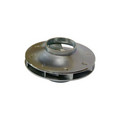


Bell & Gossett impellers are the rotating component inside a circulator or centrifugal pump that converts motor rotation into fluid flow, and they wear or degrade well before the rest of the pump housing typically fails. Swapping a worn impeller restores a pump's original flow and head performance without the cost of replacing the entire unit, which is why impellers are one of the most commonly stocked Bell & Gossett repair parts.
Bell & Gossett builds impellers in bronze, cast iron, and composite materials to match the pump body and fluid being circulated, since the impeller material has to be compatible with the system water chemistry and the wet end it's installed in. Contractors pulling a pump apart for a rebuild need to identify both the pump series and the exact impeller design before ordering, since impellers aren't interchangeable across series even when the overall pump size looks similar.
Subcategories
- Bronze Impellers: Bronze impellers are the standard choice for Bell & Gossett's all-bronze wet end pumps used in closed hydronic heating loops. They resist the corrosion that can build up in older cast iron systems with inconsistent water treatment. Techs typically pull these during a routine pump rebuild rather than a full replacement.
- Cast Iron Impellers: Cast iron impellers pair with Bell & Gossett's cast iron series pumps, which are common in larger commercial hydronic systems. They're sized to match the volute of a specific pump body, so the pump's model and size code both need confirming before ordering. Mismatched impeller diameter changes the pump's head and flow curve.
- Composite Impellers: Composite or plastic impellers appear on some of the smaller, lower-horsepower circulator lines where weight and cost matter more than material strength. They're a common failure point in circulators that have run dry or overheated, since the composite material can degrade under sustained heat. Replacement is usually the fastest fix for a circulator that spins but doesn't move water.
- Impeller Wear Rings & Accessories: This group covers the smaller hardware that mounts and seals an impeller in place, including wear rings, retaining hardware, and shaft keys. These parts wear alongside the impeller itself and are worth replacing at the same time during a rebuild rather than reusing worn originals. Skipping them is a common reason a freshly rebuilt pump underperforms almost immediately.
Buying Guide
Identify the pump series and model number stamped on the pump body before shopping for an impeller, since Bell & Gossett impellers are designed around a specific volute geometry rather than a universal fit. The same nominal pump size can use different impeller designs across product generations, so a size match alone isn't enough to confirm correct fit.
Match the impeller material to both the pump's wet end and the system's water chemistry. Bronze impellers are the standard pairing for all-bronze pump bodies, while cast iron systems use cast iron impellers matched to a cast iron volute; mixing materials across a wet end can accelerate corrosion at the point where dissimilar metals meet.
Inspect the impeller for the actual failure mode before ordering a replacement. A cracked or eroded impeller needs straightforward replacement, but a pump that's lost flow with an intact-looking impeller may point to a worn wear ring or bearing assembly instead, which changes what part actually needs to be on the truck.
Order wear rings, gaskets, and shaft hardware alongside the impeller rather than reusing the originals during a rebuild. These smaller parts are inexpensive relative to a callback, and worn originals are a common reason a freshly rebuilt pump doesn't perform to its rated curve.
For composite impellers on smaller circulators, check for signs the pump ran dry or overheated before assuming the impeller alone is the fix. Heat damage that degraded the impeller often affects the bearing assembly too, and replacing only the impeller on a heat-damaged pump can mean a second callback.
Frequently Asked Questions
How do I know which Bell & Gossett impeller fits my pump?
Match the model number stamped on the pump body to the manufacturer's parts list rather than estimating from the pump's physical size, since impeller design has changed across product generations even within the same nominal series.
Can I use a cast iron impeller in a bronze pump body?
No. Impeller material needs to match the pump's wet end material to avoid galvanic corrosion where dissimilar metals contact each other, and the volute geometry differs between the two lines regardless.
What causes a Bell & Gossett impeller to fail early?
Cavitation from low suction pressure, dry running, and abrasive debris in the system water are the most common causes. Composite impellers are additionally vulnerable to heat damage from prolonged dry running.
Should I replace the wear ring when I replace the impeller?
Yes, in most rebuild situations. A worn wear ring increases the clearance around the impeller and reduces pump efficiency even when installed with a brand-new impeller.
Is a pump that spins but doesn't circulate water always an impeller problem?
Not always. Check for a broken impeller-to-shaft connection or a failed check valve first, since both can produce the same symptom without the impeller itself being at fault.
