




Filters
SORT
Product Availability –
Used With –
Review Score –
 --%3E %3Csvg version='1.1' id='Fill' xmlns='http://www.w3.org/2000/svg' xmlns:xlink='http://www.w3.org/1999/xlink' x='0px' y='0px' viewBox='0 0 100 100' enable-background='new 0 0 100 100' xml:space='preserve'%3E %3Cpath fill='%23F15C02' d='M79.44,0.95H20.56C9.78,0.95,0.95,9.78,0.95,20.56v58.87c0,10.79,8.82,19.61,19.61,19.61h58.87 c10.79,0,19.61-8.83,19.61-19.61V20.56C99.05,9.78,90.22,0.95,79.44,0.95z M65.38,58.24l9.38,29.58L49.69,69.78L24.5,87.82 l9.34-29.6L8.8,39.6l30.73-0.17c0,0,6.98-19.61,10-28.93c0.54,1.36,9.88,29.1,9.88,29.1H91.2L65.38,58.24z'/%3E %3C/svg%3E)
 --%3E %3Csvg version='1.1' id='With-RB' xmlns='http://www.w3.org/2000/svg' xmlns:xlink='http://www.w3.org/1999/xlink' x='0px' y='0px' viewBox='0 0 100 100' enable-background='new 0 0 100 100' xml:space='preserve'%3E %3Cpath fill='%23FBC8B4' d='M79.44,0.95H20.56C9.78,0.95,0.95,9.78,0.95,20.56v58.87c0,10.79,8.82,19.61,19.61,19.61h58.87 c10.79,0,19.61-8.83,19.61-19.61V20.56C99.05,9.78,90.22,0.95,79.44,0.95z M65.38,58.24l9.38,29.58L49.69,69.78L24.5,87.82 l9.34-29.6L8.8,39.6l30.73-0.17c0,0,6.98-19.61,10-28.93c0.54,1.36,9.88,29.1,9.88,29.1H91.2L65.38,58.24z'/%3E %3C/svg%3E)
Price Range –
Bell & Gossett Seals


 --%3E %3Csvg version='1.1' id='No-RB' xmlns='http://www.w3.org/2000/svg' xmlns:xlink='http://www.w3.org/1999/xlink' x='0px' y='0px' viewBox='0 0 100 100' enable-background='new 0 0 100 100' xml:space='preserve'%3E %3Cpath fill='%23CECECE' d='M79.44,0.95H20.56C9.78,0.95,0.95,9.78,0.95,20.56v58.87c0,10.79,8.82,19.61,19.61,19.61h58.87 c10.79,0,19.61-8.83,19.61-19.61V20.56C99.05,9.78,90.22,0.95,79.44,0.95z M65.38,58.24l9.38,29.58L49.69,69.78L24.5,87.82 l9.34-29.6L8.8,39.6l30.73-0.17c0,0,6.98-19.61,10-28.93c0.54,1.36,9.88,29.1,9.88,29.1H91.2L65.38,58.24z'/%3E %3C/svg%3E)
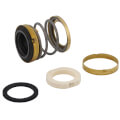
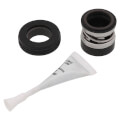
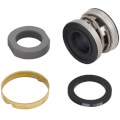
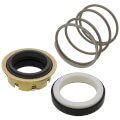
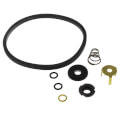
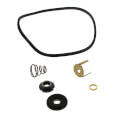
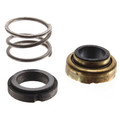
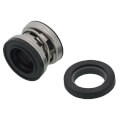
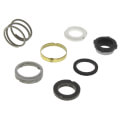
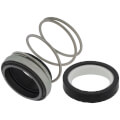
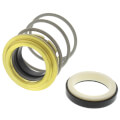
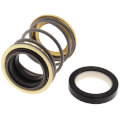

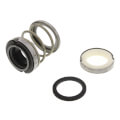
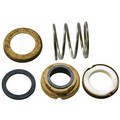
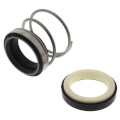
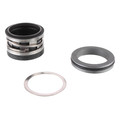
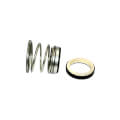
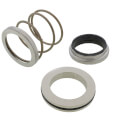
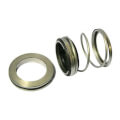

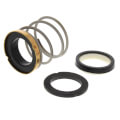
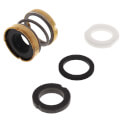
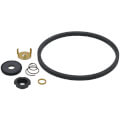
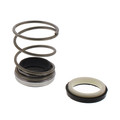
Bell & Gossett Seals are the mechanical seals that keep system water contained inside a circulator or centrifugal pump while still allowing the shaft to rotate, and a worn seal is one of the most common reasons a pump develops a slow drip at the seal plate. Bell & Gossett offers seal kits in several material combinations, including Buna and carbon and ceramic, EPT and carbon and tungsten carbide, Viton and carbon and ceramic, and EPR and silicon carbide, matched to the system's water chemistry and temperature. Selecting the wrong seal material for a glycol filled hydronic loop or a high temperature boiler system can cause premature failure even when the seal is installed correctly. Replacing a seal at the first sign of a drip, rather than waiting for the pump to fail completely, protects the bearing assembly from water damage that a leaking seal eventually causes.
Subcategories
- Buna Carbon Ceramic Seals: Buna, carbon, and ceramic seals are a standard combination used across many Bell & Gossett circulator models for typical hydronic heating water. The material set handles normal system temperatures and standard water treatment without issue in most residential and light commercial installations. Technicians replacing a seal on an older standard duty circulator usually start with this combination unless the system has known glycol content or elevated temperatures.
- EPT Carbon Tungsten Carbide Seals: EPT, carbon, and tungsten carbide seals are specified for systems running higher temperatures or more demanding duty cycles than a standard buna seal can handle reliably. Tungsten carbide adds wear resistance at the seal face, which extends service life in pumps that run continuously rather than cycling on and off. Contractors servicing commercial hydronic systems often find this combination already installed from the factory on higher duty pump models.
- Viton Carbon Ceramic Seals: Viton, carbon, and ceramic seals hold up better than standard buna seals in systems with glycol added for freeze protection, since glycol can degrade some elastomer materials faster than plain water does. Hydronic systems serving unheated spaces, such as garages or vacation properties, commonly run glycol and need this seal material as a result. Confirming glycol concentration and system temperature before ordering a seal kit helps match the right elastomer to the application.
- EPR Silicon Carbide Seals: EPR and silicon carbide seals are used in applications with more aggressive water chemistry or higher temperature ranges than the other seal material combinations are rated for. Silicon carbide faces resist wear and thermal shock better than tungsten carbide in some high temperature boiler applications. Technicians working on commercial boiler systems should confirm the manufacturer's seal recommendation for the specific pump model rather than assuming a standard seal will hold up.
Buying Guide
Identifying the pump model before ordering a seal kit is the first step, since Bell & Gossett seal kits are sized and configured to fit specific circulator and centrifugal pump families rather than functioning as a universal fit. The pump's model and serial number, usually stamped on the pump housing or volute, narrows the search to the correct kit.
Water chemistry is the next factor, and it matters more than most contractors initially assume. A standard buna, carbon, and ceramic seal works fine in typical hydronic heating water, but systems with glycol added for freeze protection need a Viton based seal instead, since glycol degrades standard elastomers faster than plain water. Higher temperature commercial systems may call for tungsten carbide or silicon carbide seal faces instead of the standard combination.
Timing the replacement also affects the outcome. Bell & Gossett Seals that show even a slow weep at the seal plate should be replaced before the pump runs dry or the bearing assembly takes on water damage from a fully failed seal. Waiting until the pump stops working entirely usually means replacing the bearing assembly along with the seal, which turns a simple seal swap into a more involved repair.
Frequently Asked Questions
How do I know which Bell & Gossett seal kit fits my pump?
Check the pump model and serial number, usually stamped on the housing or volute, before ordering a seal kit. Seal kits are configured for specific pump families rather than a universal fit. Matching the exact model avoids ordering a kit that does not seat correctly.
Why does a glycol filled system need a different seal material?
Glycol degrades standard elastomer seal materials like buna faster than plain water does. Viton based seals hold up better in systems running glycol for freeze protection. Confirming glycol concentration before ordering a seal kit helps match the correct material.
What does a slow drip at the seal plate usually mean?
A slow drip at the seal plate almost always means the mechanical seal has started to wear and needs replacement. Waiting too long risks water reaching the bearing assembly and causing additional damage. Replacing the seal as soon as the drip appears keeps the repair limited to the seal itself.
Are tungsten carbide and silicon carbide seals interchangeable?
No, they are typically specified for different temperature ranges and duty cycles rather than being interchangeable options. Tungsten carbide suits higher duty commercial pumps, while silicon carbide is used in more demanding high temperature boiler applications. Following the manufacturer's seal recommendation for the specific pump model is more reliable than substituting one material for another.
Can a seal be replaced without removing the entire pump?
In most cases the seal can be accessed by removing the pump's wet end from the motor and volute without disconnecting the whole assembly from the piping. Technicians should still confirm the specific pump model's service procedure, since some designs require more disassembly than others. Following the pump's own service documentation avoids damaging other components during the seal replacement.
