




Filters
SORT
Product Availability –
Connection Size –
Horse Power –
Max Flow (GPM) –
Review Score –
 --%3E %3Csvg version='1.1' id='Fill' xmlns='http://www.w3.org/2000/svg' xmlns:xlink='http://www.w3.org/1999/xlink' x='0px' y='0px' viewBox='0 0 100 100' enable-background='new 0 0 100 100' xml:space='preserve'%3E %3Cpath fill='%23F15C02' d='M79.44,0.95H20.56C9.78,0.95,0.95,9.78,0.95,20.56v58.87c0,10.79,8.82,19.61,19.61,19.61h58.87 c10.79,0,19.61-8.83,19.61-19.61V20.56C99.05,9.78,90.22,0.95,79.44,0.95z M65.38,58.24l9.38,29.58L49.69,69.78L24.5,87.82 l9.34-29.6L8.8,39.6l30.73-0.17c0,0,6.98-19.61,10-28.93c0.54,1.36,9.88,29.1,9.88,29.1H91.2L65.38,58.24z'/%3E %3C/svg%3E)
Price Range –
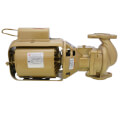
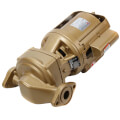
Bell & Gossett 100 Series Bronze Booster Pumps

 --%3E %3Csvg version='1.1' id='Half' xmlns='http://www.w3.org/2000/svg' xmlns:xlink='http://www.w3.org/1999/xlink' x='0px' y='0px' viewBox='0 0 100 100' enable-background='new 0 0 100 100' xml:space='preserve'%3E %3Cg%3E %3Cpath fill='%23F15C02' d='M30.05,70.23l3.79-12.01L8.8,39.6l30.73-0.17c0,0,6.98-19.61,10-28.93c0.54,1.36,9.88,29.1,9.88,29.1h1.58 L93.71,7.18c-3.58-3.82-8.66-6.23-14.28-6.23H20.56C9.78,0.95,0.95,9.78,0.95,20.56v58.87c0,5.41,2.22,10.32,5.79,13.88 L30.05,70.23z'/%3E %3C/g%3E %3Cpath fill='%23FBC8B4' d='M93.71,7.18L60.98,39.6H91.2L65.38,58.24l9.38,29.58L49.69,69.78L24.5,87.82l5.55-17.59L6.75,93.32 c3.55,3.54,8.44,5.73,13.82,5.73h58.87c10.79,0,19.61-8.83,19.61-19.61V20.56C99.05,15.4,97.01,10.69,93.71,7.18z'/%3E %3C/svg%3E)

 --%3E %3Csvg version='1.1' id='No-RB' xmlns='http://www.w3.org/2000/svg' xmlns:xlink='http://www.w3.org/1999/xlink' x='0px' y='0px' viewBox='0 0 100 100' enable-background='new 0 0 100 100' xml:space='preserve'%3E %3Cpath fill='%23CECECE' d='M79.44,0.95H20.56C9.78,0.95,0.95,9.78,0.95,20.56v58.87c0,10.79,8.82,19.61,19.61,19.61h58.87 c10.79,0,19.61-8.83,19.61-19.61V20.56C99.05,9.78,90.22,0.95,79.44,0.95z M65.38,58.24l9.38,29.58L49.69,69.78L24.5,87.82 l9.34-29.6L8.8,39.6l30.73-0.17c0,0,6.98-19.61,10-28.93c0.54,1.36,9.88,29.1,9.88,29.1H91.2L65.38,58.24z'/%3E %3C/svg%3E)
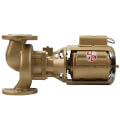


Bell & Gossett 100 Series Bronze Booster Pumps are inline circulators built for hydronic heating and domestic hot water circulation in residential and light commercial systems. The 1/12 HP models deliver a maximum of 33 GPM at 125 PSI, running on standard 115V power with a bronze body rated for potable water use. A three-piece, oil-lubricated design keeps the bearing, shaft, and seal assembly in one field-serviceable unit, so a worn seal or bearing can be replaced without swapping the entire pump. Flanged connections bolt directly to companion flanges already installed in the piping, which simplifies a straight swap on an existing system. With more than 10 million units installed since its introduction, the Series 100 has become the pump contractors reach for first on both new boiler installs and circulator replacement calls, since parts and service knowledge are widely available across the trade.
Subcategories
- 1/12 HP Bronze Circulators: 1/12 HP bronze circulators are the core of the Series 100 lineup, delivering a maximum of 33 GPM at 125 PSI. Boiler installers use this horsepower for typical residential zone circulation and domestic hot water loops. The bronze body meets potable water requirements for direct use in DHW recirculation systems.
- Lead-Free Bronze Circulators: Lead-free bronze circulators carry the LF suffix and meet lead-free requirements for potable water contact. Plumbers use these models on domestic hot water systems where local code requires lead-free components on any component touching drinking water. Performance matches the standard bronze models at the same GPM and PSI ratings.
- Flanged Connection Circulators: Flanged connection circulators bolt to companion flanges already sweated or threaded into the piping instead of requiring a union or threaded joint. Service techs favor this connection style because it turns a pump replacement into a bolt-off, bolt-on job without cutting pipe. Every Series 100 bronze model ships with flanged x flanged connections.
- Oil-Lubricated Bearing Assembly Circulators: Oil-lubricated bearing assembly circulators use a three-piece design that separates the bearing, shaft, and seal into one serviceable cartridge. Techs pull and replace just that assembly when a pump starts making noise or leaking, rather than replacing the whole circulator. The design has kept the Series 100 in service across decades of hydronic installations.
Buying Guide
Sizing starts with system flow demand, not the pump that was already installed. Calculate the required GPM for the zone or domestic hot water loop, then confirm it falls within the pump's 33 GPM maximum at the system's expected head pressure. Bell & Gossett 100 Series Bronze Booster Pumps are rated to 125 PSI, which covers standard residential and light commercial hydronic systems, but higher-pressure commercial jobs need a different pump line entirely. Bronze construction is required whenever the pump touches potable water, such as domestic hot water recirculation, so confirm a bronze or lead-free bronze model rather than a cast-iron circulator meant for closed heating loops only. Lead-free models carry the LF designation and are required in many jurisdictions for any component in contact with drinking water. Connection style matters on replacement jobs: flanged models bolt directly to existing companion flanges, which keeps a swap fast and avoids cutting into copper or steel piping. Because the three-piece design separates the bearing, shaft, and seal into one field-serviceable cartridge, a failed pump often needs only that assembly replaced instead of the entire unit. Keep a rebuild kit on the truck for common calls, since the design was built around quick field service rather than full pump replacement. Confirm voltage and horsepower match the existing circuit before installing a replacement.
Frequently Asked Questions
What's the maximum flow rate on a Series 100 bronze pump?
The 1/12 HP Series 100 bronze pump delivers a maximum of 33 GPM at 125 PSI. Actual flow depends on the system's head pressure and piping design, so the 33 GPM figure represents the pump's top capacity rather than a field-guaranteed number. Confirm actual demand against a system flow calculation before sizing a replacement.
When is a lead-free model required instead of a standard bronze pump?
Lead-free models are required whenever the pump touches potable water, such as domestic hot water recirculation lines. Many state and local plumbing codes mandate lead-free components on any fixture or fitting in contact with drinking water. Closed hydronic heating loops that never mix with potable water typically don't carry the same lead-free requirement.
Can just the seal or bearing be replaced instead of the whole pump?
Yes, the three-piece design separates the bearing, shaft, and seal into one field-serviceable cartridge. A tech can pull that assembly and replace it without removing the pump body or cutting into the piping. Replacing only that cartridge reduces repair time and cost compared with swapping the entire circulator.
Do these pumps use threaded or flanged connections?
Series 100 bronze pumps ship with flanged x flanged connections that bolt to companion flanges already installed in the piping. The flanged design turns replacement into a bolt-off, bolt-on job instead of one that requires cutting or re-soldering pipe. Only the pump body changes out during a service call, since the companion flanges stay in place on the system.
How long has the Series 100 been the standard circulator in the trade?
Bell & Gossett has installed more than 10 million Series 100 units since the line's introduction, making it one of the most widely serviced circulators in hydronic heating. Parts, rebuild kits, and service knowledge are common across plumbing and heating supply houses. That track record is why many contractors default to it on both new installs and replacement calls.
