




Bray Actuators & Valves


 --%3E %3Csvg version='1.1' id='No-RB' xmlns='http://www.w3.org/2000/svg' xmlns:xlink='http://www.w3.org/1999/xlink' x='0px' y='0px' viewBox='0 0 100 100' enable-background='new 0 0 100 100' xml:space='preserve'%3E %3Cpath fill='%23CECECE' d='M79.44,0.95H20.56C9.78,0.95,0.95,9.78,0.95,20.56v58.87c0,10.79,8.82,19.61,19.61,19.61h58.87 c10.79,0,19.61-8.83,19.61-19.61V20.56C99.05,9.78,90.22,0.95,79.44,0.95z M65.38,58.24l9.38,29.58L49.69,69.78L24.5,87.82 l9.34-29.6L8.8,39.6l30.73-0.17c0,0,6.98-19.61,10-28.93c0.54,1.36,9.88,29.1,9.88,29.1H91.2L65.38,58.24z'/%3E %3C/svg%3E)
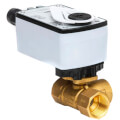
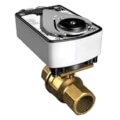

Bray Actuators & Valves cover butterfly valve bodies and the electric, pneumatic, hydraulic, and electro-hydraulic actuators that automate them for HVAC and industrial flow control. Bray's butterfly valve lineup spans resilient seated, high performance, and triple offset designs, along with PFA-lined valves for chemical-resistant applications. Actuator torque ratings span a wide range, from under 1,600 inch-pounds for smaller valves up to more than 44,200 inch-pounds for large industrial applications, so matching actuator torque to valve size and line pressure is a required step rather than an optional one. Manual operators remain available for applications that do not need automated control. Facility maintenance teams and mechanical contractors specify Bray products across chilled water, hot water, and condenser water systems where reliable, repeatable valve operation matters.
Subcategories
- Resilient Seated Butterfly Valves: Resilient seated butterfly valves use an elastomer seat to create a tight shutoff and are the most common style specified for general HVAC water and mild chemical service. These valves are simpler and less costly than high performance or triple offset designs and handle the pressure and temperature ranges typical of chilled and hot water piping. Contractors select this style by default unless a specific application calls for tighter shutoff or a wider temperature range.
- High Performance and Triple Offset Valves: High performance and triple offset butterfly valves add metal-to-metal or specialized seating for tighter shutoff and higher pressure and temperature ratings than a standard resilient seated valve. Triple offset designs are common in steam, high-temperature, or critical isolation applications where a resilient seat would degrade too quickly. Industrial and process piping projects specify these styles more often than typical commercial HVAC jobs do.
- Electric and Pneumatic Actuators: Electric actuators run on standard building power and suit applications where compressed air is not already available, while pneumatic actuators use compressed air and are common in facilities that already run pneumatic control systems throughout. Torque requirements for either actuator type scale with valve size, ranging from under 1,600 inch-pounds on small valves to over 44,200 inch-pounds on large industrial valves. Selecting the correct actuator torque for the valve and line pressure prevents premature actuator wear.
- PFA-Lined and Chemical-Resistant Valves: PFA-lined valves like Bray's Acris line add a chemical-resistant liner inside the valve body for service in corrosive or aggressive chemical applications that would degrade a standard elastomer-seated valve quickly. These valves see use in chemical processing and industrial wastewater applications more than in standard HVAC water service. Specifying the correct liner material for the chemical involved is necessary before ordering, since PFA does not resist every chemical equally well.
Buying Guide
Matching an actuator to a Bray butterfly valve starts with the torque required to open and close the valve under full line pressure, not just the valve's pipe size. A valve that needs more torque than the actuator can deliver will fail to seat fully, causing leakage past the disc even when the actuator appears to be functioning normally. Bray's actuator torque ratings span a wide range, from under 1,600 inch-pounds for small commercial valves up to more than 44,200 inch-pounds for large industrial installations, so pulling the torque specification from the valve's data sheet before selecting an actuator avoids a mismatch that shows up only after installation.
Bray Actuators & Valves also split by seat material and design: resilient seated valves cover most standard HVAC water applications, while high performance and triple offset designs handle higher pressure, higher temperature, or tighter shutoff requirements. Chemical-resistant lined valves apply to a narrower set of process and wastewater jobs rather than typical building water systems.
Power source matters too. Facilities that already run compressed air throughout the building often standardize on pneumatic actuators for consistency and easier spare parts stocking, while buildings without an existing air system generally default to electric actuators, which only need standard building power and simplify installation on a retrofit.
Frequently Asked Questions
How is the right actuator torque selected for a Bray butterfly valve?
Torque selection starts with the valve's data sheet, which specifies the torque needed to open and close it under full line pressure. Bray actuators span a wide range, from under 1,600 inch-pounds for small valves to more than 44,200 inch-pounds for large industrial valves, so the actuator needs to match or exceed the valve's requirement.
What is the difference between a resilient seated and a triple offset butterfly valve?
A resilient seated valve uses an elastomer seat suited to standard HVAC water temperatures and pressures, while a triple offset valve uses a metal seating design built for higher temperatures, higher pressures, and tighter shutoff. Triple offset valves see more use in steam and critical isolation service than in typical commercial HVAC systems.
Should a facility choose electric or pneumatic actuators?
Facilities that already run compressed air throughout the building often standardize on pneumatic actuators, while buildings without an existing air system typically choose electric actuators since they only need standard building power. Either type needs to be sized to the valve's torque requirement regardless of power source.
When is a PFA-lined valve necessary instead of a standard butterfly valve?
A PFA-lined valve is necessary when the fluid being controlled would degrade a standard elastomer seat, such as in chemical processing or industrial wastewater applications. Standard HVAC water service rarely requires this level of chemical resistance.
Can a manual operator replace an actuator on a Bray butterfly valve?
Yes, manual operators are available for applications that do not need automated, remote, or programmed control. Facilities sometimes start with a manual operator and add an actuator later if the application shifts toward automated control.
