




Filters
SORT
Product Availability –
Fuel Type –
Vent Type –
BTU Output –
Efficiency –
Review Score –
 --%3E %3Csvg version='1.1' id='Fill' xmlns='http://www.w3.org/2000/svg' xmlns:xlink='http://www.w3.org/1999/xlink' x='0px' y='0px' viewBox='0 0 100 100' enable-background='new 0 0 100 100' xml:space='preserve'%3E %3Cpath fill='%23F15C02' d='M79.44,0.95H20.56C9.78,0.95,0.95,9.78,0.95,20.56v58.87c0,10.79,8.82,19.61,19.61,19.61h58.87 c10.79,0,19.61-8.83,19.61-19.61V20.56C99.05,9.78,90.22,0.95,79.44,0.95z M65.38,58.24l9.38,29.58L49.69,69.78L24.5,87.82 l9.34-29.6L8.8,39.6l30.73-0.17c0,0,6.98-19.61,10-28.93c0.54,1.36,9.88,29.1,9.88,29.1H91.2L65.38,58.24z'/%3E %3C/svg%3E)
Price Range –
Buderus Boilers

 --%3E %3Csvg version='1.1' id='No-RB' xmlns='http://www.w3.org/2000/svg' xmlns:xlink='http://www.w3.org/1999/xlink' x='0px' y='0px' viewBox='0 0 100 100' enable-background='new 0 0 100 100' xml:space='preserve'%3E %3Cpath fill='%23CECECE' d='M79.44,0.95H20.56C9.78,0.95,0.95,9.78,0.95,20.56v58.87c0,10.79,8.82,19.61,19.61,19.61h58.87 c10.79,0,19.61-8.83,19.61-19.61V20.56C99.05,9.78,90.22,0.95,79.44,0.95z M65.38,58.24l9.38,29.58L49.69,69.78L24.5,87.82 l9.34-29.6L8.8,39.6l30.73-0.17c0,0,6.98-19.61,10-28.93c0.54,1.36,9.88,29.1,9.88,29.1H91.2L65.38,58.24z'/%3E %3C/svg%3E)
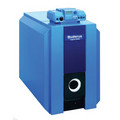
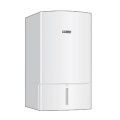

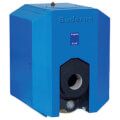
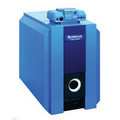
Buderus boilers are gas and oil-fired hydronic heat sources used to supply space heating and, on many models, domestic hot water through an indirect tank in residential and light commercial buildings. Contractors specify these boilers on new hydronic installs, boiler replacements, and system upgrades where cast iron durability or high-efficiency condensing performance is a priority for the customer. The lineup spans traditional cast iron sectional boilers built for long service life and simpler venting requirements alongside condensing models designed to extract more heat from combustion gases and reduce fuel consumption. Installers choose between these two general categories based on the home's existing venting, available fuel type, and whether the customer prioritizes lower upfront cost or reduced operating expense over the life of the system. Because boiler output has to be matched to the building's actual heat loss rather than the size of the equipment being replaced, a proper heat loss calculation remains a necessary step before finalizing model selection.
Subcategories
- Cast Iron Boilers: Cast iron boilers use heavy sectional construction that gives them a long service life and tolerance for the return water temperatures found in many older hydronic systems without the condensing concerns that affect other boiler types. Contractors often specify cast iron models on replacement jobs where the existing venting, near-boiler piping, or radiation system was designed around a non-condensing boiler and changing that infrastructure would add significant cost. Cast iron models typically run at lower combustion efficiency than condensing alternatives but require simpler venting and less water treatment sensitivity. Sectional construction also allows a damaged section to be replaced in some cases rather than swapping the entire boiler.
- Condensing Boilers: Condensing boilers extract additional heat from flue gases by cooling them enough to condense water vapor out of the exhaust stream, which pushes combustion efficiency well above what a standard cast iron boiler achieves. Achieving that efficiency depends on the system running at lower return water temperatures than older systems typically use, so a condensing boiler retrofit often calls for review of the existing radiation and piping design. Venting requirements differ significantly from cast iron models, generally requiring plastic or stainless vent material rated for condensing flue gas temperatures. Contractors installing these units account for condensate drainage and neutralization as part of the job scope, not as an afterthought.
- Combination Boilers: Combination boilers provide both space heating and on-demand domestic hot water from a single unit without a separate storage tank, which saves mechanical room space compared with a boiler paired with an indirect water heater. Combination units size hot water output based on flow rate rather than storage volume, so matching the model to the building's expected simultaneous hot water demand matters more than with a tank-based system. Space-constrained mechanical rooms and smaller homes are common applications for this category. Servicing a combination unit typically involves both the heating side and the hot water heat exchanger, so technicians should be familiar with both systems within the same unit.
Buying Guide
Selecting the right boiler starts with an accurate heat loss calculation for the building rather than simply matching the output of the unit being replaced, since older boilers were frequently oversized relative to actual building needs. Fuel type availability, whether natural gas, propane, or oil, narrows the model selection early in the process, and existing venting infrastructure often determines whether a condensing or cast iron model makes more practical sense without a full venting system replacement. Contractors should also confirm whether the customer wants domestic hot water integrated through an indirect tank, a combination unit, or kept entirely separate from the space heating system.
Return water temperature compatibility deserves close attention on any condensing boiler replacement, since a system designed around older cast iron equipment may need modified piping, additional zoning, or outdoor reset controls to actually achieve condensing efficiency in real operating conditions rather than short-cycling above the condensing threshold. Buderus Boilers spanning both cast iron and condensing categories give contractors flexibility to match the boiler to the existing system rather than forcing a full system redesign on every replacement. Reviewing available mechanical room space, vent routing distance, and combustion air requirements before finalizing a model avoids a mismatch discovered mid-installation.
Frequently Asked Questions
How is the correct boiler size determined for a replacement?
A heat loss calculation based on the building's actual construction, insulation, and window area determines the correct output size, rather than matching the capacity of the boiler being removed. Many older boilers were oversized relative to real heating needs, so sizing off the old unit risks installing an oversized replacement that short-cycles. A proper calculation also supports right-sizing a condensing boiler to actually reach its rated efficiency.
What is the difference between a cast iron and a condensing boiler?
Cast iron boilers use heavy sectional construction and tolerate a wider range of return water temperatures without condensing concerns, making them a common fit for replacement jobs on older systems. Condensing boilers extract additional heat from flue gases for higher efficiency but need lower return water temperatures and different venting material to do so reliably. The choice often comes down to the existing system's piping, venting, and the customer's priority between upfront cost and long-term fuel savings.
Can a condensing boiler be installed on an older hydronic system?
Yes, but achieving the boiler's rated efficiency typically requires the system to operate at lower return water temperatures than many older systems were designed for. Additional controls, such as outdoor reset, or piping modifications are sometimes needed to get real-world performance closer to the boiler's rating. Skipping this review can still result in a working system, just one that runs closer to non-condensing efficiency most of the time.
Do these boilers provide domestic hot water as well as heating?
Some models pair with an indirect water heater to provide domestic hot water from the same boiler, while combination units integrate hot water production directly without a separate tank. A standalone boiler dedicated to space heating only is also an option where the customer already has a separate water heater. The right configuration depends on mechanical room space and the household's hot water demand.
What venting changes come with switching from cast iron to a condensing model?
Condensing boilers generally require plastic or stainless vent material rated for the lower flue gas temperatures and condensate produced during operation, which differs from the venting typically used with cast iron boilers. Vent routing and termination location may also need to change to meet clearance requirements for the new vent material. Reviewing vent path length and available termination points before finalizing a condensing boiler order avoids a mid-installation surprise.
