




Burnham Alta Boilers

 --%3E %3Csvg version='1.1' id='Fill' xmlns='http://www.w3.org/2000/svg' xmlns:xlink='http://www.w3.org/1999/xlink' x='0px' y='0px' viewBox='0 0 100 100' enable-background='new 0 0 100 100' xml:space='preserve'%3E %3Cpath fill='%23F15C02' d='M79.44,0.95H20.56C9.78,0.95,0.95,9.78,0.95,20.56v58.87c0,10.79,8.82,19.61,19.61,19.61h58.87 c10.79,0,19.61-8.83,19.61-19.61V20.56C99.05,9.78,90.22,0.95,79.44,0.95z M65.38,58.24l9.38,29.58L49.69,69.78L24.5,87.82 l9.34-29.6L8.8,39.6l30.73-0.17c0,0,6.98-19.61,10-28.93c0.54,1.36,9.88,29.1,9.88,29.1H91.2L65.38,58.24z'/%3E %3C/svg%3E)

 --%3E %3Csvg version='1.1' id='No-RB' xmlns='http://www.w3.org/2000/svg' xmlns:xlink='http://www.w3.org/1999/xlink' x='0px' y='0px' viewBox='0 0 100 100' enable-background='new 0 0 100 100' xml:space='preserve'%3E %3Cpath fill='%23CECECE' d='M79.44,0.95H20.56C9.78,0.95,0.95,9.78,0.95,20.56v58.87c0,10.79,8.82,19.61,19.61,19.61h58.87 c10.79,0,19.61-8.83,19.61-19.61V20.56C99.05,9.78,90.22,0.95,79.44,0.95z M65.38,58.24l9.38,29.58L49.69,69.78L24.5,87.82 l9.34-29.6L8.8,39.6l30.73-0.17c0,0,6.98-19.61,10-28.93c0.54,1.36,9.88,29.1,9.88,29.1H91.2L65.38,58.24z'/%3E %3C/svg%3E)
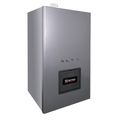


Burnham Alta Boilers are gas-fired hydronic boilers built for residential and light commercial heating systems that need dependable, space-efficient output. The Alta line pairs a compact cast aluminum or stainless heat exchanger with an integrated control board, letting installers set up condensing operation without stacking on a separate boiler management system. Contractors spec Alta boilers for both replacement jobs in tight mechanical rooms and new hydronic installations where wall-hung mounting saves floor space. Because the line is designed around modulating burners, it can track a building's actual heat load instead of cycling on and off at a single fixed output, which cuts down on short-cycling wear. Getting the model and venting configuration right up front matters, since Burnham's Alta series covers a range of input sizes and venting options depending on the job's heat loss calculation and available chimney or sidewall termination.
Subcategories
- Alta Boiler Units: Alta boiler units are the wall-hung or floor-standing heat source itself, sized by input rating to match a building's calculated heat loss. Installers select a unit size based on the structure's square footage, insulation level, and design temperature rather than simply matching the old boiler's rating. Oversizing a unit leads to short-cycling and reduced efficiency.
- Venting Components: Venting components route combustion exhaust and intake air to and from the Alta boiler, typically through sidewall or vertical PVC or polypropylene venting given the unit's condensing design. Vent length and the number of elbows both affect the maximum allowable run, so installers check the manufacturer's venting tables before finalizing a layout. Matching vent material to the boiler's listed venting category keeps the installation within code.
- Control Boards and Sensors: Control boards and sensors manage ignition, modulation, and safety shutoffs for the Alta boiler, and replacement boards need to match the specific model revision installed. Sensors monitor flame presence, water temperature, and flue conditions to keep the unit operating safely. Technicians typically diagnose lockouts using the board's onboard fault code display before ordering a replacement part.
- Circulators and Pumps: Circulators and pumps move heated water from the Alta boiler through the building's distribution piping, whether that's baseboard, radiant, or fan coil zones. Pump sizing depends on the system's total head loss and flow rate requirements, which vary by zone count and pipe length. Many Alta installations use zone-specific circulators rather than a single system pump paired with zone valves.
Buying Guide
Sizing comes first. An Alta boiler should be selected from a room-by-room or whole-building heat loss calculation, not from the rating of the equipment being replaced, since older boilers were often oversized by a wide margin. Burnham Alta Boilers span a range of input sizes, so matching the unit to actual demand keeps run times longer and steadier, which improves comfort and reduces wear on the burner and heat exchanger.
Venting configuration is the next major decision. Because the Alta line condenses flue gas, it vents with PVC, CPVC, or polypropylene pipe rather than traditional metal chimney liner, and the maximum vent run shrinks with every additional elbow. Confirming a viable vent path, whether sidewall or vertical, before ordering avoids a mismatch between the boiler purchased and the mechanical room's layout.
Water quality and system piping matter for longevity. Condensing boilers are more sensitive to sediment and scale than older cast iron models, so adding or verifying a dirt separator and, in hard-water areas, a scale-reduction device protects the heat exchanger. Flushing an existing system before tying in a new Alta unit removes debris that could otherwise foul the boiler's tighter waterways.
Finally, plan for controls compatibility. Alta boilers integrate with outdoor reset and multi-zone control strategies, so confirming that existing thermostats, zone valves, or a building automation system can communicate with the boiler's control board avoids a surprise at startup.
Frequently Asked Questions
What distinguishes the Alta line from Burnham's other boiler series?
The Alta line is built around a modulating, condensing design with a compact heat exchanger meant for wall-hung or space-limited installs. Burnham's other series, like cast iron sectional boilers, are typically larger, non-condensing units built for different mechanical room constraints.
Can an Alta boiler vent through an existing masonry chimney?
Alta boilers are condensing units and vent with PVC, CPVC, or polypropylene pipe rather than a traditional masonry chimney. A dedicated sidewall or vertical vent path needs to be installed as part of the job.
How is the correct Alta model size determined for a replacement job?
Sizing should come from a heat loss calculation based on the building's square footage, insulation, and design temperature, not from the output rating of the boiler being replaced. Older systems are frequently oversized, so a proper calculation often results in a smaller unit.
Does an Alta boiler require a dirt separator or scale protection?
Condensing boilers with tighter internal waterways benefit from a dirt separator on the return line, and hard-water areas often call for additional scale-reduction equipment. Flushing the existing piping before connecting a new unit further protects the heat exchanger.
What causes an Alta boiler to lock out on a fault code?
Lockouts are typically triggered by flame-sensing issues, venting restrictions, or water temperature sensor faults, and the control board displays a fault code to narrow down the cause. Technicians use that code alongside the installation manual to pinpoint the failed component before ordering parts.
