




Bushings
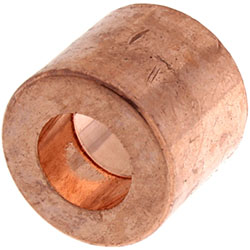
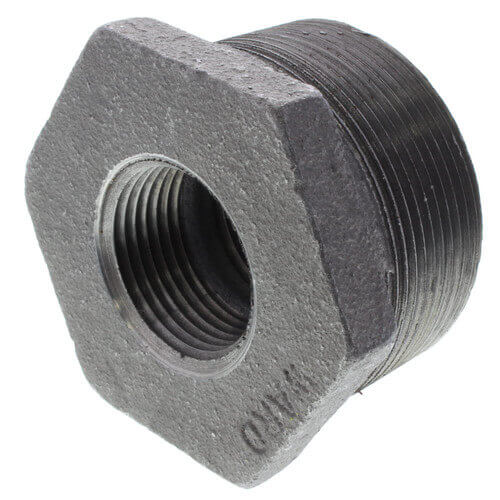
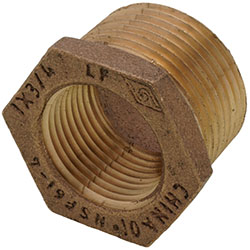
Bushings step down from a larger pipe or fitting size to a smaller one within the same fitting body, letting a plumber transition pipe diameter without adding a full reducing coupling. The category currently covers CPVC bushings sized for common step-down applications.
Choosing a bushing over a reducing coupling saves space in tight rough-in areas where a full-length fitting will not fit. Matching the bushing's outer and inner diameters exactly to the surrounding pipe keeps the joint from leaking once solvent welded or threaded into place.







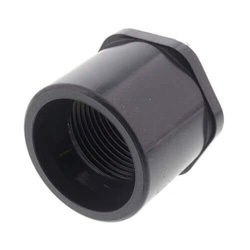
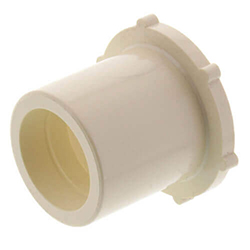
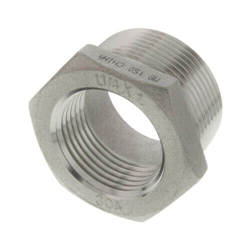


Subcategories
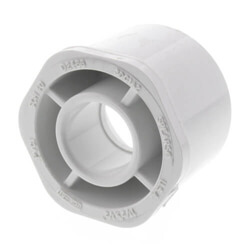
- CPVC Bushings: CPVC bushings step down from a larger CPVC fitting or pipe size to a smaller one at a single connection point, avoiding the need for a separate reducer and coupling. The CPVC material handles hot water distribution temperatures that standard PVC isn't rated for, making it the standard bushing material on hot water branch lines. Solvent-welded connections on both ends create a permanent joint once properly primed and cemented.
Buying Guide
Sizing a bushing correctly means confirming both the larger opening size and the smaller pipe size it needs to accept, since a bushing is specific to that exact size combination rather than a universal fitting. Checking both dimensions against the bushing's printed or listed size markings before purchase avoids an install that doesn't seat properly.
Material compatibility matters as much as size. A CPVC bushing is built for the temperature range of hot water distribution piping, and pairing it with the correct CPVC pipe and primer and cement system keeps the solvent-welded joint sound under normal service temperatures.
A bushing works well for a single size transition at one fitting, but a job that needs to step down through several pipe sizes in sequence may call for multiple bushings or a different fitting strategy altogether, since stacking too many transitions in a short run can restrict flow more than expected.
Thread type matters on any bushing with threaded connections. Mismatching a tapered pipe thread with a straight thread fitting leads to a joint that looks tight but leaks under pressure, so confirming thread type on both the bushing and the fitting it's joining prevents a rework.
Stocking a small range of common bushing sizes on the truck covers most branch-line size transitions encountered in residential and light commercial plumbing work, reducing the number of supply house trips needed mid-job for an odd size transition.
Frequently Asked Questions
What is the difference between a bushing and a reducer coupling?
A bushing makes a size transition within a single fitting body, threading or slipping directly into a larger opening while accepting a smaller pipe on the other end. A reducer coupling is a separate fitting piece that joins two different pipe sizes between two lengths of pipe, rather than reducing at an existing fitting opening.
Can a CPVC bushing be used with PVC pipe?
Mixing CPVC and PVC at a solvent-welded joint isn't recommended, since the two materials use different primer and cement formulations rated for each specific plastic. Using a transition fitting rated for both materials, or staying with matching CPVC components throughout the hot water branch, keeps the joint reliable.
Do bushings need primer and cement like other CPVC fittings?
Yes. A CPVC bushing forms its connection the same way as any other CPVC fitting, with a compatible primer applied first and CPVC cement applied immediately after to create the solvent weld. Skipping the primer step is a common cause of joint failure.
How much size reduction can a single bushing handle?
The size reduction range depends on the specific bushing, since each one is manufactured for a fixed larger-to-smaller size combination rather than an adjustable range. Checking the specific size markings on the bushing against the two pipe sizes involved confirms it's the right part before installation.
Are bushings rated for pressurized water lines?
Standard CPVC bushings used in hot and cold water distribution lines are rated for typical residential water pressure when installed correctly with proper solvent welding. Confirming the pressure rating on the specific bushing against the system's operating pressure is worth doing on any higher-pressure commercial application.
Resources
Subcategories
- CPVC Bushings: CPVC bushings step down from a larger CPVC fitting or pipe size to a smaller one at a single connection point, avoiding the need for a separate reducer and coupling. The CPVC material handles hot water distribution temperatures that standard PVC isn't rated for, making it the standard bushing material on hot water branch lines. Solvent-welded connections on both ends create a permanent joint once properly primed and cemented.
Buying Guide
Sizing a bushing correctly means confirming both the larger opening size and the smaller pipe size it needs to accept, since a bushing is specific to that exact size combination rather than a universal fitting. Checking both dimensions against the bushing's printed or listed size markings before purchase avoids an install that doesn't seat properly.
Material compatibility matters as much as size. A CPVC bushing is built for the temperature range of hot water distribution piping, and pairing it with the correct CPVC pipe and primer and cement system keeps the solvent-welded joint sound under normal service temperatures.
A bushing works well for a single size transition at one fitting, but a job that needs to step down through several pipe sizes in sequence may call for multiple bushings or a different fitting strategy altogether, since stacking too many transitions in a short run can restrict flow more than expected.
Thread type matters on any bushing with threaded connections. Mismatching a tapered pipe thread with a straight thread fitting leads to a joint that looks tight but leaks under pressure, so confirming thread type on both the bushing and the fitting it's joining prevents a rework.
Stocking a small range of common bushing sizes on the truck covers most branch-line size transitions encountered in residential and light commercial plumbing work, reducing the number of supply house trips needed mid-job for an odd size transition.
Frequently Asked Questions
What is the difference between a bushing and a reducer coupling?
A bushing makes a size transition within a single fitting body, threading or slipping directly into a larger opening while accepting a smaller pipe on the other end. A reducer coupling is a separate fitting piece that joins two different pipe sizes between two lengths of pipe, rather than reducing at an existing fitting opening.
Can a CPVC bushing be used with PVC pipe?
Mixing CPVC and PVC at a solvent-welded joint isn't recommended, since the two materials use different primer and cement formulations rated for each specific plastic. Using a transition fitting rated for both materials, or staying with matching CPVC components throughout the hot water branch, keeps the joint reliable.
Do bushings need primer and cement like other CPVC fittings?
Yes. A CPVC bushing forms its connection the same way as any other CPVC fitting, with a compatible primer applied first and CPVC cement applied immediately after to create the solvent weld. Skipping the primer step is a common cause of joint failure.
How much size reduction can a single bushing handle?
The size reduction range depends on the specific bushing, since each one is manufactured for a fixed larger-to-smaller size combination rather than an adjustable range. Checking the specific size markings on the bushing against the two pipe sizes involved confirms it's the right part before installation.
Are bushings rated for pressurized water lines?
Standard CPVC bushings used in hot and cold water distribution lines are rated for typical residential water pressure when installed correctly with proper solvent welding. Confirming the pressure rating on the specific bushing against the system's operating pressure is worth doing on any higher-pressure commercial application.