




Filters
SORT
Product Availability –
Brand –
Size –
Review Score –
 --%3E %3Csvg version='1.1' id='Fill' xmlns='http://www.w3.org/2000/svg' xmlns:xlink='http://www.w3.org/1999/xlink' x='0px' y='0px' viewBox='0 0 100 100' enable-background='new 0 0 100 100' xml:space='preserve'%3E %3Cpath fill='%23F15C02' d='M79.44,0.95H20.56C9.78,0.95,0.95,9.78,0.95,20.56v58.87c0,10.79,8.82,19.61,19.61,19.61h58.87 c10.79,0,19.61-8.83,19.61-19.61V20.56C99.05,9.78,90.22,0.95,79.44,0.95z M65.38,58.24l9.38,29.58L49.69,69.78L24.5,87.82 l9.34-29.6L8.8,39.6l30.73-0.17c0,0,6.98-19.61,10-28.93c0.54,1.36,9.88,29.1,9.88,29.1H91.2L65.38,58.24z'/%3E %3C/svg%3E)
Price Range –
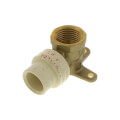
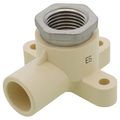
CPVC Tub/Shower Drop Ear Elbows




 --%3E %3Csvg version='1.1' id='No-RB' xmlns='http://www.w3.org/2000/svg' xmlns:xlink='http://www.w3.org/1999/xlink' x='0px' y='0px' viewBox='0 0 100 100' enable-background='new 0 0 100 100' xml:space='preserve'%3E %3Cpath fill='%23CECECE' d='M79.44,0.95H20.56C9.78,0.95,0.95,9.78,0.95,20.56v58.87c0,10.79,8.82,19.61,19.61,19.61h58.87 c10.79,0,19.61-8.83,19.61-19.61V20.56C99.05,9.78,90.22,0.95,79.44,0.95z M65.38,58.24l9.38,29.58L49.69,69.78L24.5,87.82 l9.34-29.6L8.8,39.6l30.73-0.17c0,0,6.98-19.61,10-28.93c0.54,1.36,9.88,29.1,9.88,29.1H91.2L65.38,58.24z'/%3E %3C/svg%3E)



 --%3E %3Csvg version='1.1' id='Half' xmlns='http://www.w3.org/2000/svg' xmlns:xlink='http://www.w3.org/1999/xlink' x='0px' y='0px' viewBox='0 0 100 100' enable-background='new 0 0 100 100' xml:space='preserve'%3E %3Cg%3E %3Cpath fill='%23F15C02' d='M30.05,70.23l3.79-12.01L8.8,39.6l30.73-0.17c0,0,6.98-19.61,10-28.93c0.54,1.36,9.88,29.1,9.88,29.1h1.58 L93.71,7.18c-3.58-3.82-8.66-6.23-14.28-6.23H20.56C9.78,0.95,0.95,9.78,0.95,20.56v58.87c0,5.41,2.22,10.32,5.79,13.88 L30.05,70.23z'/%3E %3C/g%3E %3Cpath fill='%23FBC8B4' d='M93.71,7.18L60.98,39.6H91.2L65.38,58.24l9.38,29.58L49.69,69.78L24.5,87.82l5.55-17.59L6.75,93.32 c3.55,3.54,8.44,5.73,13.82,5.73h58.87c10.79,0,19.61-8.83,19.61-19.61V20.56C99.05,15.4,97.01,10.69,93.71,7.18z'/%3E %3C/svg%3E)

CPVC Tub/Shower Drop Ear Elbows are fittings that connect CPVC supply piping to a tub spout or shower arm, anchoring the fitting to framing so the finished fixture doesn't wobble or leak at the wall connection. Plumbers install these elbows on rough-in for new bathroom construction and full remodels, mounting the ear directly to a stud or blocking before the wall finish goes up. The fitting's threaded outlet typically accepts standard half-inch NPT fixtures, matching the vast majority of tub spouts and shower arms on the market. Because the connection point is sealed behind drywall or tile once the job is finished, getting the elbow's height, orientation, and blocking right during rough-in matters more than with an exposed fitting that can be adjusted later. Choosing a properly rated CPVC elbow built for hot water service protects against the cracking and premature failure that can occur when the wrong fitting is used behind a finished wall.
Subcategories
- Solvent-Weld CPVC Drop Ear Elbows: Solvent-weld CPVC drop ear elbows join to the supply line using CPVC cement, creating a permanent, one-piece connection at the rough-in stage. Plumbers favor this style on new construction where the piping run is CPVC end to end and no future disassembly is expected. The ear mounts flush to framing with screws, holding the fitting rigid once the wall closes in. Solvent-weld joints cure to full pressure rating within the manufacturer's stated cure time before water is introduced to the line.
- Threaded CPVC Drop Ear Elbows: Threaded CPVC drop ear elbows terminate in female NPT threads instead of a solvent-weld socket, letting a tub spout or shower arm thread directly into the fitting. Remodelers use this style when the finished fixture needs to be removable for service without cutting into the wall. The threaded outlet accepts standard plumbing-grade thread sealant or tape at assembly. Rough-in kits sold as complete assemblies most often include this threaded configuration.
- Reinforced Drop Ear Elbows: Reinforced drop ear elbows add metal or reinforced-plastic ears designed to resist cracking under the torque of tightening a tub spout or shower arm by hand. Plumbers reach for the reinforced version on jobs where the fixture will see frequent removal for maintenance, since standard plastic ears can crack under repeated thread stress over years of service. The reinforced ear still mounts to framing the same way as a standard drop ear elbow. Choosing this style up front avoids a costly wall repair if a standard ear cracks after the tile is set.
- Combination CPVC-to-Copper Transition Elbows: Combination CPVC-to-copper transition elbows let a plumber move from CPVC piping to a copper stub-out or vice versa at the same fitting used to mount the tub or shower connection. Contractors use these on remodels where existing copper piping is being extended or repaired with CPVC rather than replaced entirely. The transition happens inside the fitting body, so no separate coupling is needed at the wall. Confirming the copper side's diameter matches the stub-out before installation avoids an awkward field fix.
Buying Guide
Selecting the right drop ear elbow starts with deciding between solvent-weld and threaded outlets, since that choice determines whether the finished fixture can be removed later without cutting into the wall. New construction with an all-CPVC supply line typically calls for the solvent-weld style, while remodels or installations where future serviceability matters point toward a threaded outlet. Next, confirm the ear style and mounting method match the framing on site; some CPVC Tub/Shower Drop Ear Elbows use nail-on ears while others use a screw-mount tab, and picking the wrong style for the blocking already in place slows down rough-in. Reinforced ears are worth the small price difference on any job where the fixture will be removed and reattached repeatedly for service, since standard plastic ears are more prone to cracking under that kind of repeated stress. If the existing piping is copper rather than CPVC, a transition elbow saves a separate coupling and a joint that would otherwise need its own support. Pressure rating and temperature rating should always be checked against the hot water system's operating conditions, since a fitting rated for cold water only will fail prematurely on a hot supply line. Finally, verify local plumbing code requirements for support and blocking behind tub and shower valves, since inspectors in some jurisdictions require specific bracing details that affect which elbow style fits the rough-in plan.
Frequently Asked Questions
What's the difference between solvent-weld and threaded CPVC drop ear elbows?
Solvent-weld elbows create a permanent cemented joint and suit new construction where the fixture never needs to come off the wall. Threaded elbows let the tub spout or shower arm unscrew for service without disturbing the wall finish. Choosing between them comes down to whether future removal is a realistic need on the job.
Do drop ear elbows need extra support beyond the ear itself?
The ear is designed to transfer the torque of tightening a fixture into the framing, but solid blocking behind it is still necessary for a secure connection. Skipping blocking and relying on the ear alone risks a loose or cracked fitting once the fixture is tightened. Local plumbing code may also specify additional bracing requirements.
Can a CPVC drop ear elbow be used with a copper stub-out?
A combination transition elbow handles that connection directly, joining CPVC on one side and copper on the other inside a single fitting. Confirming the copper side's diameter matches the existing stub-out before ordering avoids a mismatch discovered mid-installation. A single transition fitting removes the need for a separate coupling at the wall.
Why would a reinforced drop ear elbow cost more than a standard one?
Reinforced ears use metal or reinforced plastic designed to resist cracking under the repeated torque of removing and reattaching a fixture. Standard plastic ears work fine for a one-time installation but are more prone to failure under repeated service. The added cost is minor compared to a wall repair caused by a cracked ear behind finished tile.
What pressure and temperature rating should a CPVC drop ear elbow meet for a shower valve?
The fitting should be rated for the hot water system's actual operating temperature and pressure, not just a generic cold-water rating. Checking the manufacturer's published rating against the system's specifications before installation prevents premature cracking or failure. Hot water lines running at sustained higher temperatures make that check especially important.
