




Filters
SORT
Product Availability –
Diameter (Inches) –
Length (Inches) –
Review Score –
 --%3E %3Csvg version='1.1' id='Fill' xmlns='http://www.w3.org/2000/svg' xmlns:xlink='http://www.w3.org/1999/xlink' x='0px' y='0px' viewBox='0 0 100 100' enable-background='new 0 0 100 100' xml:space='preserve'%3E %3Cpath fill='%23F15C02' d='M79.44,0.95H20.56C9.78,0.95,0.95,9.78,0.95,20.56v58.87c0,10.79,8.82,19.61,19.61,19.61h58.87 c10.79,0,19.61-8.83,19.61-19.61V20.56C99.05,9.78,90.22,0.95,79.44,0.95z M65.38,58.24l9.38,29.58L49.69,69.78L24.5,87.82 l9.34-29.6L8.8,39.6l30.73-0.17c0,0,6.98-19.61,10-28.93c0.54,1.36,9.88,29.1,9.88,29.1H91.2L65.38,58.24z'/%3E %3C/svg%3E)
 --%3E %3Csvg version='1.1' id='With-RB' xmlns='http://www.w3.org/2000/svg' xmlns:xlink='http://www.w3.org/1999/xlink' x='0px' y='0px' viewBox='0 0 100 100' enable-background='new 0 0 100 100' xml:space='preserve'%3E %3Cpath fill='%23FBC8B4' d='M79.44,0.95H20.56C9.78,0.95,0.95,9.78,0.95,20.56v58.87c0,10.79,8.82,19.61,19.61,19.61h58.87 c10.79,0,19.61-8.83,19.61-19.61V20.56C99.05,9.78,90.22,0.95,79.44,0.95z M65.38,58.24l9.38,29.58L49.69,69.78L24.5,87.82 l9.34-29.6L8.8,39.6l30.73-0.17c0,0,6.98-19.61,10-28.93c0.54,1.36,9.88,29.1,9.88,29.1H91.2L65.38,58.24z'/%3E %3C/svg%3E)
Price Range –
Dip Tubes

 --%3E %3Csvg version='1.1' id='No-RB' xmlns='http://www.w3.org/2000/svg' xmlns:xlink='http://www.w3.org/1999/xlink' x='0px' y='0px' viewBox='0 0 100 100' enable-background='new 0 0 100 100' xml:space='preserve'%3E %3Cpath fill='%23CECECE' d='M79.44,0.95H20.56C9.78,0.95,0.95,9.78,0.95,20.56v58.87c0,10.79,8.82,19.61,19.61,19.61h58.87 c10.79,0,19.61-8.83,19.61-19.61V20.56C99.05,9.78,90.22,0.95,79.44,0.95z M65.38,58.24l9.38,29.58L49.69,69.78L24.5,87.82 l9.34-29.6L8.8,39.6l30.73-0.17c0,0,6.98-19.61,10-28.93c0.54,1.36,9.88,29.1,9.88,29.1H91.2L65.38,58.24z'/%3E %3C/svg%3E)
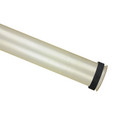
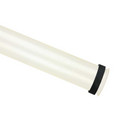

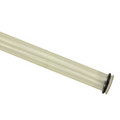
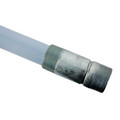
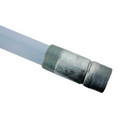
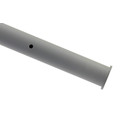
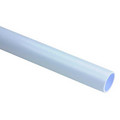
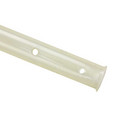
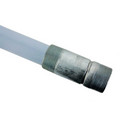

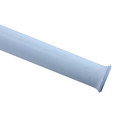
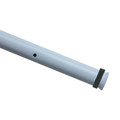
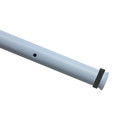
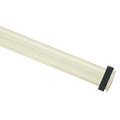
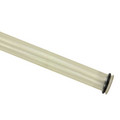
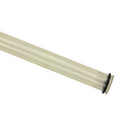
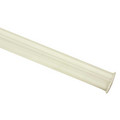
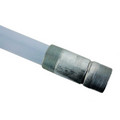
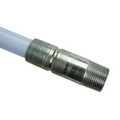

Dip tubes are the internal tank component that channels incoming cold water down to the bottom of a water heater, forcing it to mix with the hot water already stored there rather than short-circuiting straight to the outlet. Most residential tubes run between 30 and 40 inches long, though sizing varies up to 54 inches depending on tank height, and the tube stops roughly 8 inches above the tank bottom to limit sediment pickup. Two materials dominate the market: polypropylene, which holds up under normal conditions but grows brittle with hard water exposure or sustained temperatures above 140 degrees Fahrenheit, and PEX, which tolerates temperatures up to 200 degrees Fahrenheit and resists scale and chemical degradation better over time. Connection sizing is standardized at 3/4 inch NPT across most residential tanks, and outlet designs vary between open, helix, and closed styles that each distribute incoming water differently inside the tank. Getting the right tube length and material matters directly for recovery time and tank longevity on a service call.
Subcategories
- Polypropylene Dip Tubes: Polypropylene tubes are the standard economical choice found in most standard-duty residential water heater replacements. Material holds up fine under typical operating conditions but becomes brittle with hard water exposure or once tank temperatures run above 140 degrees Fahrenheit for extended periods. Plumbers servicing older tanks or homes on well water with high mineral content often watch for early cracking in this material. Replacement is straightforward since the part threads into a standard 3/4 inch NPT fitting.
- PEX Dip Tubes: PEX tubes cost more upfront but tolerate operating temperatures up to 200 degrees Fahrenheit, well above what polypropylene can handle before degrading. Better resistance to scale buildup and chemical degradation makes this material the better fit for hard water regions or tanks set to higher temperature settings. Service techs replacing a tube in a home with recurring sediment or scale problems typically upgrade to PEX rather than reinstalling polypropylene. The tube still uses the same standard 3/4 inch NPT connection as polypropylene versions.
- Open Outlet Dip Tubes: Open outlet tubes release incoming cold water straight out the bottom opening without any additional flow-directing feature. Keeping the design simple holds manufacturing cost low, making open outlet the common default choice for standard residential replacements. Straight-outlet designs are typically the default unless a manufacturer's original tube called for a helix or closed style. Matching outlet style to the original equipment prevents uneven mixing inside the tank.
- Helix & Closed Outlet Dip Tubes: Helix outlet tubes use a spiral design at the tip to swirl incoming water as it enters the tank, which some manufacturers use to reduce sediment settling near the tube. Closed outlet tubes route water through side ports instead of the bottom opening, changing how the cold water disperses inside the tank. Both styles are typically OEM-specific, so matching the original tank manufacturer's design is important when replacing a failed tube. Installers confirm outlet style before ordering to avoid a mismatch that affects hot water recovery.
Buying Guide
Diagnosing a bad dip tube usually starts with a lukewarm-water complaint that doesn't match the water heater's age or thermostat setting. Cold water short-circuiting past a cracked or missing dip tube mixes directly with the hot outlet water, which cuts effective hot water capacity even though the tank itself is functioning normally. Confirming the dip tube as the culprit before replacing other components saves an unnecessary parts swap on the call.
Material choice depends on water conditions and tank operating temperature. Standard polypropylene works fine in most municipal water systems set to typical thermostat settings, but tanks in hard water areas or set above 140 degrees Fahrenheit benefit from PEX, which holds up to 200 degrees Fahrenheit and resists scale buildup better over the long run. Dip Tubes installed in these tougher conditions are more likely to need early replacement if the wrong material gets specified.
Length and outlet style both need to match the original equipment. Most residential tubes fall between 30 and 40 inches, but actual length depends on tank height, and getting it wrong leaves the tube either too short to reach near the tank bottom or too long to seat properly. Outlet style, whether open, helix, or closed, affects how incoming water mixes inside the tank, so confirming the original manufacturer's design before ordering a replacement avoids a return trip for a mismatched part. Connection size is standardized at 3/4 inch NPT across most residential models, which simplifies sourcing once material and length are confirmed.
Frequently Asked Questions
How can a technician tell if a dip tube has failed?
A failing dip tube usually shows up as noticeably reduced hot water output even though the tank size and thermostat setting haven't changed. Cold water bypassing the cracked or missing tube mixes with hot water near the outlet, which shortens the effective hot water supply. Pulling the tube for a visual inspection during a service call confirms cracking, shortening, or complete disintegration.
What's the difference between polypropylene and PEX dip tubes?
Polypropylene handles typical operating conditions but becomes brittle with hard water exposure or sustained temperatures above 140 degrees Fahrenheit. PEX tolerates temperatures up to 200 degrees Fahrenheit and holds up better against scale and chemical degradation over time. Tanks in hard water regions or running at higher thermostat settings generally see longer service life from a PEX tube.
What length dip tube does a typical residential water heater need?
Most residential dip tubes run between 30 and 40 inches long, though the exact length depends on tank height and can range up to 54 inches on taller units. Correct length matters because the tube needs to reach down close to the tank bottom, stopping about 8 inches short to avoid pulling in sediment. Checking the original tube's length before ordering a replacement avoids installing one that's too short or too long.
Does dip tube outlet style matter when replacing one?
Outlet style affects how incoming cold water distributes inside the tank, with open, helix, and closed designs each handling that differently. Matching the replacement to the original manufacturer's outlet style keeps water mixing consistent with how the tank was designed to perform. Installing the wrong style can lead to uneven mixing and inconsistent hot water delivery.
What connection size do most dip tubes use?
Standard residential dip tubes use a 3/4 inch NPT connection, which fits the cold water inlet on most tank-style water heaters. Standardized threading makes sourcing a replacement straightforward once tank height, material, and outlet style are confirmed. Confirming thread compatibility before ordering still matters on older or non-standard tanks.
