




Filters
SORT
Product Availability –
Product Type –
Brand –
Size –
Color –
Material –
Review Score –
 --%3E %3Csvg version='1.1' id='Fill' xmlns='http://www.w3.org/2000/svg' xmlns:xlink='http://www.w3.org/1999/xlink' x='0px' y='0px' viewBox='0 0 100 100' enable-background='new 0 0 100 100' xml:space='preserve'%3E %3Cpath fill='%23F15C02' d='M79.44,0.95H20.56C9.78,0.95,0.95,9.78,0.95,20.56v58.87c0,10.79,8.82,19.61,19.61,19.61h58.87 c10.79,0,19.61-8.83,19.61-19.61V20.56C99.05,9.78,90.22,0.95,79.44,0.95z M65.38,58.24l9.38,29.58L49.69,69.78L24.5,87.82 l9.34-29.6L8.8,39.6l30.73-0.17c0,0,6.98-19.61,10-28.93c0.54,1.36,9.88,29.1,9.88,29.1H91.2L65.38,58.24z'/%3E %3C/svg%3E)
 --%3E %3Csvg version='1.1' id='With-RB' xmlns='http://www.w3.org/2000/svg' xmlns:xlink='http://www.w3.org/1999/xlink' x='0px' y='0px' viewBox='0 0 100 100' enable-background='new 0 0 100 100' xml:space='preserve'%3E %3Cpath fill='%23FBC8B4' d='M79.44,0.95H20.56C9.78,0.95,0.95,9.78,0.95,20.56v58.87c0,10.79,8.82,19.61,19.61,19.61h58.87 c10.79,0,19.61-8.83,19.61-19.61V20.56C99.05,9.78,90.22,0.95,79.44,0.95z M65.38,58.24l9.38,29.58L49.69,69.78L24.5,87.82 l9.34-29.6L8.8,39.6l30.73-0.17c0,0,6.98-19.61,10-28.93c0.54,1.36,9.88,29.1,9.88,29.1H91.2L65.38,58.24z'/%3E %3C/svg%3E)
Price Range –
Dryer Venting


 --%3E %3Csvg version='1.1' id='No-RB' xmlns='http://www.w3.org/2000/svg' xmlns:xlink='http://www.w3.org/1999/xlink' x='0px' y='0px' viewBox='0 0 100 100' enable-background='new 0 0 100 100' xml:space='preserve'%3E %3Cpath fill='%23CECECE' d='M79.44,0.95H20.56C9.78,0.95,0.95,9.78,0.95,20.56v58.87c0,10.79,8.82,19.61,19.61,19.61h58.87 c10.79,0,19.61-8.83,19.61-19.61V20.56C99.05,9.78,90.22,0.95,79.44,0.95z M65.38,58.24l9.38,29.58L49.69,69.78L24.5,87.82 l9.34-29.6L8.8,39.6l30.73-0.17c0,0,6.98-19.61,10-28.93c0.54,1.36,9.88,29.1,9.88,29.1H91.2L65.38,58.24z'/%3E %3C/svg%3E)




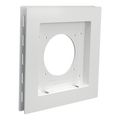
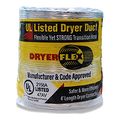
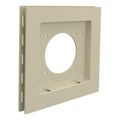

Dryer venting covers the ducts, connectors, and wall terminations that carry hot, moist exhaust air from a clothes dryer to the outside of a building. Installers select venting components based on the distance between the dryer and the exterior wall or roof, since longer runs need materials and configurations that maintain adequate airflow. Rigid metal duct is the material most codes favor for dryer exhaust because it resists crushing and buildup better than flexible alternatives, while short flexible transition pieces connect the dryer itself to the rigid run behind it. Contractors doing new construction, remodels, or dryer installation service calls all rely on properly sized venting to keep exhaust moving efficiently and to reduce the fire risk that comes with lint accumulation in a restricted or damaged duct. Choosing the correct diameter and termination style for the specific dryer and installation location keeps the system code compliant and functioning as intended.
Subcategories
- Rigid Metal Dryer Duct: Rigid metal duct forms the main exhaust run between a dryer's transition connector and the exterior wall or roof termination. Most plumbing and mechanical codes favor rigid metal over flexible duct for the bulk of a dryer vent run because it resists crushing and doesn't trap lint in ridges the way flexible materials can. Installers cut and join sections to fit the specific path between the dryer and the exterior. Straight runs with minimal bends move exhaust air more efficiently than a duct with multiple turns.
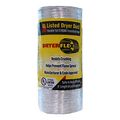
- Flexible Transition Connectors: Flexible transition connectors join the dryer's exhaust outlet to the start of the rigid duct run, accommodating the dryer's position without requiring an exact rigid fit at that first connection point. Installers use these short connectors because dryers need to be pulled out periodically for cleaning or service, and a flexible piece makes that easier than an all rigid connection at the appliance. Codes typically limit how long a flexible transition section can be. Replacing a damaged or crushed flexible connector is a common part of dryer vent maintenance.
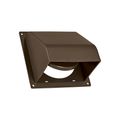
- Wall and Roof Vent Caps: Wall and roof vent caps terminate the dryer duct at the building exterior and include a damper that opens when the dryer is running and closes when it's not, keeping outside air and pests from entering the duct. Installers select a cap style based on whether the termination point is a wall or roof penetration. A functioning damper matters for both energy efficiency and preventing backdraft into the home. Inspecting and cleaning the cap periodically keeps lint from accumulating at the termination point where it's hardest to see.
- Dryer Vent Cleaning Accessories: Cleaning accessories, including brushes and rotary cleaning tools, clear lint buildup from inside a dryer vent run without disconnecting the entire duct. Technicians use these tools during routine maintenance visits or when a dryer is taking longer than normal to dry a load, a common sign of a restricted vent. Regular cleaning reduces the fire risk associated with accumulated lint inside the ducting. Longer duct runs typically need cleaning more often than short, direct paths to the exterior.
Buying Guide
Planning a Dryer Venting job starts with measuring the distance and number of turns between the dryer's location and the exterior termination point, since that distance determines how much rigid duct, how many elbows, and what termination style the installation needs. Most codes call for rigid metal duct along the main run because it resists crushing and doesn't collect lint in interior ridges the way flexible duct can, reserving flexible transition connectors for the short section between the dryer's exhaust outlet and the start of the rigid run. Keeping bends to a minimum and favoring the straightest practical path matters more than it might seem, since every additional turn reduces airflow and makes the dryer work harder to push exhaust out of the building. The termination point needs a cap with a working damper, whether the run exits through a wall or the roof, to keep outside air and pests from entering when the dryer isn't running. Long runs, particularly those exceeding what a single dryer's fan can move efficiently, sometimes need an inline booster fan to maintain adequate airflow, though the specific run length that requires one depends on the number of elbows and the duct's total equivalent length. Cleaning accessories deserve a spot on the material list for any job as well, since lint buildup inside the vent is both a common cause of poor drying performance and a recognized fire hazard, and giving a customer the tools or scheduling a maintenance visit protects the installation over its service life.
Frequently Asked Questions
Why does dryer venting need to use rigid metal duct instead of flexible duct?
Rigid metal duct resists crushing and doesn't collect lint in interior ridges the way flexible duct can, which is why most codes favor it for the main run of a dryer vent.
Where are flexible transition connectors used in a dryer vent installation?
Flexible transition connectors join the dryer's exhaust outlet to the start of the rigid duct run. Codes typically limit how long that flexible section can be.
What does the damper on a vent cap do?
The damper on a wall or roof vent cap opens when the dryer is running and closes when it's not, keeping outside air and pests from entering the duct.
How often should a dryer vent be cleaned?
Cleaning frequency depends on the run's length and number of bends, with longer runs typically needing more frequent cleaning. A dryer taking longer than normal to dry a load is a common sign that the vent needs cleaning.
When does a dryer vent need a booster fan?
Long runs with multiple elbows sometimes need an inline booster fan to maintain adequate airflow, since every additional turn in the duct reduces how efficiently the dryer can push exhaust to the exterior.
