




Electrical Tools & Instruments
Electrical tools and instruments include hand tools, test devices, and job-site accessories. Electricians and HVAC technicians use them to install, troubleshoot, and safely work on wiring and electrical components. The category ranges from basic hand tools for stripping and terminating wire to test instruments that verify a circuit is de-energized before work begins.
Beyond individual tools, this category covers the supporting gear that keeps a job running safely and efficiently. It includes lockout and tagout devices and protective mats. It also includes the bags and carts used to organize and transport equipment between job sites. Having the right combination of hand tools and test instruments on hand reduces trips back to the truck and keeps troubleshooting on schedule.




Subcategories
- DataComm Tools: These instruments verify wiring, network, and communication cabling before and after installation. They include continuity and cable mapping testers. Data and communication systems have different testing needs than power wiring, so these tools are built specifically for low-voltage signal circuits. Technicians use them to confirm a cable run is properly terminated before closing up a wall or ceiling.
- Electrical Hand Tools: These hand tools are built for electrical work and include wire strippers, pliers, and crimpers sized for the gauges commonly encountered on residential and commercial jobs. These form the core toolkit most electricians carry daily. Insulated handles and blade designs suited to stripping without nicking conductors are common selection factors.
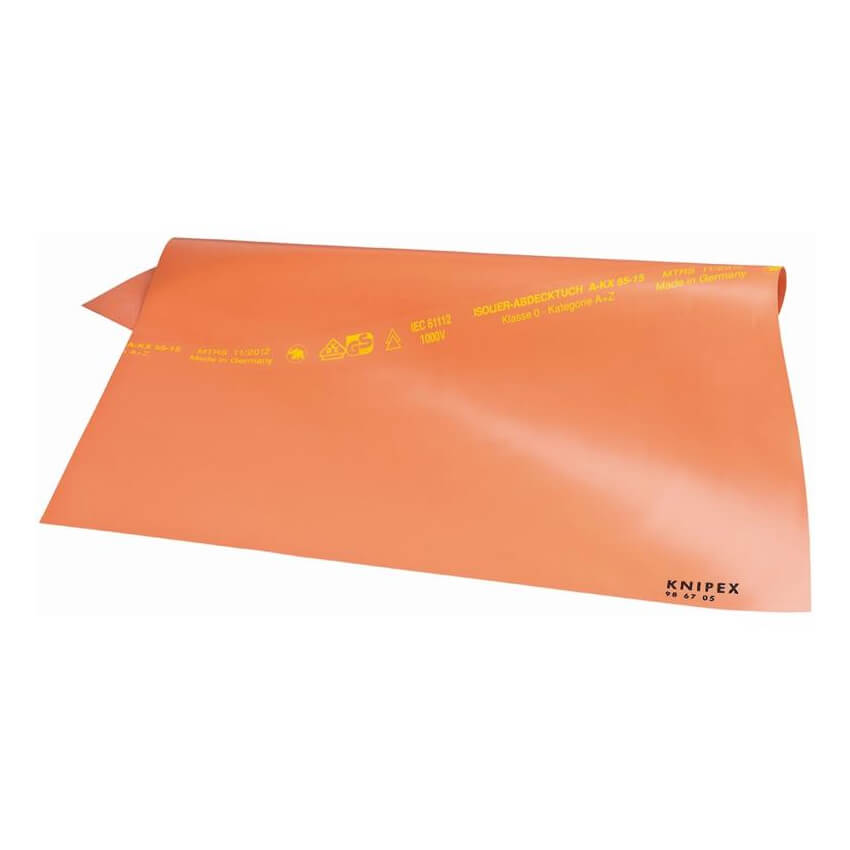
- Electrical Safety Mats: Insulating mats are rated to protect a worker standing in front of an energized panel or piece of equipment. These provide a layer of electrical insulation between the worker and the floor, supplementing other safety practices rather than replacing proper lockout and de-energization procedures.
- Electrical Tape: Tape products are used for insulating splices, bundling wire, and general electrical work. They are available in various thicknesses and temperature ratings. Selecting a tape rated for the voltage and environment of the job, including outdoor or high-heat locations, keeps the insulation from breaking down prematurely.
- Electrical Testers: These instruments verify voltage, continuity, and circuit condition before and during electrical work. They include voltage testers and multimeters. Confirming a circuit is de-energized before work begins is a core safety step. The tester must be rated for the voltage present on the circuit being checked.
- Heat Shrink Kits: These kits use heat-shrink tubing to insulate and protect wire splices and connections from moisture and abrasion. The tubing is slid over a connection and forms a tight seal when heated. They are common on outdoor and underground wiring where a standard tape wrap is not durable enough.
Buying Guide
Start by separating hand tools from test instruments, since the two serve different roles on a job. Hand tools handle the physical work of stripping, cutting, and terminating wire. Test instruments confirm circuit condition and voltage presence before and after that work is done.
For test instruments, voltage rating matters most. A tester or multimeter has to be rated for the voltage category of the circuits it will be used on. Using an instrument rated below the circuit's voltage is a safety hazard rather than a minor mismatch.
Hand tool selection often comes down to wire gauge range and handle comfort for repeated daily use. Insulated handles rated for electrical work add a layer of protection but do not eliminate the need to de-energize a circuit before working on it.
Safety accessories such as lockout and tagout devices and insulating mats are meant to supplement proper de-energization procedures, not substitute for them. These items should be selected to match the specific panels, breakers, or equipment they are meant to secure or protect around.
For job-site organization, bags, totes, and carts should be sized to the volume of tools and instruments actually carried day to day. An oversized cart can be as much of a hindrance in tight mechanical rooms as an undersized one that requires multiple trips.
Frequently Asked Questions
What is the difference between a voltage tester and a multimeter?
A voltage tester typically gives a simple indication of whether voltage is present on a circuit. A multimeter provides numeric readings for voltage, current, resistance, and continuity, which gives more detailed diagnostic information.
Can DataComm testing tools be used on standard power wiring?
No. DataComm tools are built for low-voltage signal and network cabling and are not rated or designed for testing power circuits. Power wiring calls for a voltage tester or multimeter rated for that circuit's voltage.
Do insulating mats eliminate the need to lock out equipment before servicing it?
No. Insulating mats add a layer of protection between a worker and the floor. They do not replace proper lockout and tagout procedures or confirming a circuit is de-energized before work begins.
When is heat-shrink tubing preferred over electrical tape for a splice?
Heat-shrink tubing is typically preferred in outdoor, underground, or high-moisture locations. In these locations, a standard tape wrap is not durable enough to keep moisture and abrasion away from the splice over time.
How is the right wire stripper size chosen for a job?
Wire strippers are typically selected by the range of wire gauges they are built to handle. Matching the stripper's rated gauge range to the wire sizes most commonly encountered on the job keeps the tool from nicking or damaging conductors.
Resources
Subcategories
- DataComm Tools: These instruments verify wiring, network, and communication cabling before and after installation. They include continuity and cable mapping testers. Data and communication systems have different testing needs than power wiring, so these tools are built specifically for low-voltage signal circuits. Technicians use them to confirm a cable run is properly terminated before closing up a wall or ceiling.
- Electrical Hand Tools: These hand tools are built for electrical work and include wire strippers, pliers, and crimpers sized for the gauges commonly encountered on residential and commercial jobs. These form the core toolkit most electricians carry daily. Insulated handles and blade designs suited to stripping without nicking conductors are common selection factors.
- Electrical Safety Mats: Insulating mats are rated to protect a worker standing in front of an energized panel or piece of equipment. These provide a layer of electrical insulation between the worker and the floor, supplementing other safety practices rather than replacing proper lockout and de-energization procedures.
- Electrical Tape: Tape products are used for insulating splices, bundling wire, and general electrical work. They are available in various thicknesses and temperature ratings. Selecting a tape rated for the voltage and environment of the job, including outdoor or high-heat locations, keeps the insulation from breaking down prematurely.
- Electrical Testers: These instruments verify voltage, continuity, and circuit condition before and during electrical work. They include voltage testers and multimeters. Confirming a circuit is de-energized before work begins is a core safety step. The tester must be rated for the voltage present on the circuit being checked.
- Heat Shrink Kits: These kits use heat-shrink tubing to insulate and protect wire splices and connections from moisture and abrasion. The tubing is slid over a connection and forms a tight seal when heated. They are common on outdoor and underground wiring where a standard tape wrap is not durable enough.
Buying Guide
Start by separating hand tools from test instruments, since the two serve different roles on a job. Hand tools handle the physical work of stripping, cutting, and terminating wire. Test instruments confirm circuit condition and voltage presence before and after that work is done.
For test instruments, voltage rating matters most. A tester or multimeter has to be rated for the voltage category of the circuits it will be used on. Using an instrument rated below the circuit's voltage is a safety hazard rather than a minor mismatch.
Hand tool selection often comes down to wire gauge range and handle comfort for repeated daily use. Insulated handles rated for electrical work add a layer of protection but do not eliminate the need to de-energize a circuit before working on it.
Safety accessories such as lockout and tagout devices and insulating mats are meant to supplement proper de-energization procedures, not substitute for them. These items should be selected to match the specific panels, breakers, or equipment they are meant to secure or protect around.
For job-site organization, bags, totes, and carts should be sized to the volume of tools and instruments actually carried day to day. An oversized cart can be as much of a hindrance in tight mechanical rooms as an undersized one that requires multiple trips.
Frequently Asked Questions
What is the difference between a voltage tester and a multimeter?
A voltage tester typically gives a simple indication of whether voltage is present on a circuit. A multimeter provides numeric readings for voltage, current, resistance, and continuity, which gives more detailed diagnostic information.
Can DataComm testing tools be used on standard power wiring?
No. DataComm tools are built for low-voltage signal and network cabling and are not rated or designed for testing power circuits. Power wiring calls for a voltage tester or multimeter rated for that circuit's voltage.
Do insulating mats eliminate the need to lock out equipment before servicing it?
No. Insulating mats add a layer of protection between a worker and the floor. They do not replace proper lockout and tagout procedures or confirming a circuit is de-energized before work begins.
When is heat-shrink tubing preferred over electrical tape for a splice?
Heat-shrink tubing is typically preferred in outdoor, underground, or high-moisture locations. In these locations, a standard tape wrap is not durable enough to keep moisture and abrasion away from the splice over time.
How is the right wire stripper size chosen for a job?
Wire strippers are typically selected by the range of wire gauges they are built to handle. Matching the stripper's rated gauge range to the wire sizes most commonly encountered on the job keeps the tool from nicking or damaging conductors.