




Filters
SORT
Product Availability –
Product Type –
Review Score –
 --%3E %3Csvg version='1.1' id='Fill' xmlns='http://www.w3.org/2000/svg' xmlns:xlink='http://www.w3.org/1999/xlink' x='0px' y='0px' viewBox='0 0 100 100' enable-background='new 0 0 100 100' xml:space='preserve'%3E %3Cpath fill='%23F15C02' d='M79.44,0.95H20.56C9.78,0.95,0.95,9.78,0.95,20.56v58.87c0,10.79,8.82,19.61,19.61,19.61h58.87 c10.79,0,19.61-8.83,19.61-19.61V20.56C99.05,9.78,90.22,0.95,79.44,0.95z M65.38,58.24l9.38,29.58L49.69,69.78L24.5,87.82 l9.34-29.6L8.8,39.6l30.73-0.17c0,0,6.98-19.61,10-28.93c0.54,1.36,9.88,29.1,9.88,29.1H91.2L65.38,58.24z'/%3E %3C/svg%3E)
Price Range –
First Alert


 --%3E %3Csvg version='1.1' id='No-RB' xmlns='http://www.w3.org/2000/svg' xmlns:xlink='http://www.w3.org/1999/xlink' x='0px' y='0px' viewBox='0 0 100 100' enable-background='new 0 0 100 100' xml:space='preserve'%3E %3Cpath fill='%23CECECE' d='M79.44,0.95H20.56C9.78,0.95,0.95,9.78,0.95,20.56v58.87c0,10.79,8.82,19.61,19.61,19.61h58.87 c10.79,0,19.61-8.83,19.61-19.61V20.56C99.05,9.78,90.22,0.95,79.44,0.95z M65.38,58.24l9.38,29.58L49.69,69.78L24.5,87.82 l9.34-29.6L8.8,39.6l30.73-0.17c0,0,6.98-19.61,10-28.93c0.54,1.36,9.88,29.1,9.88,29.1H91.2L65.38,58.24z'/%3E %3C/svg%3E)
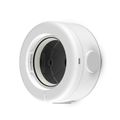
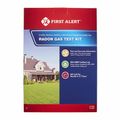
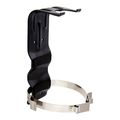
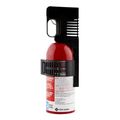
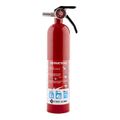
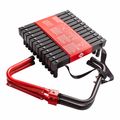
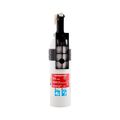
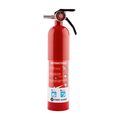
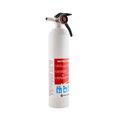
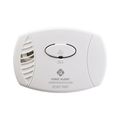
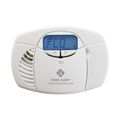
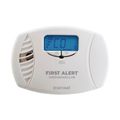
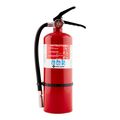
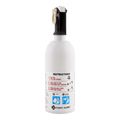

First Alert traces back to 1958, when business partners Burke, Roberts, and Kimberline formed the company that became BRK Electronics, based in Aurora, Illinois. BRK introduced the First Alert brand in 1976 with a battery-operated residential smoke alarm, entering the home safety market at a time when smoke detection was still uncommon in single-family homes.
Consumer adoption grew quickly, and First Alert became one of the most recognized names in smoke detection within a few years, later expanding into carbon monoxide alarms, fire extinguishers, and escape ladders. First Alert now operates as the retail brand of BRK Brands, Inc., still headquartered in Aurora, Illinois.
Product Lines
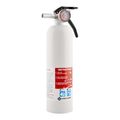
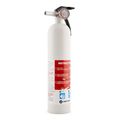
SupplyHouse carries First Alert smoke alarms, carbon monoxide alarms, and combination smoke and CO alarms in battery-powered, 10-year sealed battery, and hardwired with battery backup configurations, along with fire extinguishers and escape ladders for residential and light commercial safety needs.
Why Contractors Specify First Alert
Smoke and carbon monoxide alarms are code-required life-safety devices on most renovation and new construction jobs, and a recognizable brand name simplifies that conversation with homeowners and inspectors alike. Hardwired models with battery backup can be interconnected so that one triggered alarm sounds every unit on the circuit, which is a common code requirement in multi-room installations.
Sealed 10-year battery alarms remove the recurring battery-replacement callback, since the unit is designed to be replaced as a whole once its service life ends rather than serviced piecemeal.
How to Choose First Alert Products
Alarm selection starts with what the room needs to detect: smoke only, carbon monoxide only, or both in a single combination unit. Power type should follow the wiring already in place and the applicable code, whether that calls for hardwired interconnect, a 10-year sealed battery, or a replaceable battery unit.
Fire extinguishers should be sized and classed for the space they protect, with rechargeable units suited to kitchens and heavier-duty models suited to garages or workshops, and an escape ladder should be matched to the height of the window it will serve.
Frequently Asked Questions
What is the difference between a smoke alarm and a combination smoke and CO alarm?
A combination alarm adds a carbon monoxide sensor alongside smoke detection in a single housing, while a standard smoke alarm detects smoke only.
How long do First Alert's 10-year sealed battery alarms last?
The battery is sealed inside and not replaceable, so the entire alarm is designed to be replaced once it reaches the end of its 10-year service life.
Do hardwired smoke alarms still work during a power outage?
Hardwired models with battery backup continue to operate on battery power if AC power is lost.
What size fire extinguisher fits a residential kitchen?
First Alert offers rechargeable extinguishers sized for kitchen use, which are smaller than the heavy-duty models intended for garages or workshops.
Can multiple First Alert smoke alarms be interconnected?
Hardwired interconnect models can be wired together so that any alarm sensing smoke or CO triggers every connected unit in the system.
