




Filters
SORT
Product Availability –
Brand –
Refrigerant Type –
Cooling Capacity (BTU) –
Ton –
Airflow –
Suction Line –
Review Score –
 --%3E %3Csvg version='1.1' id='Fill' xmlns='http://www.w3.org/2000/svg' xmlns:xlink='http://www.w3.org/1999/xlink' x='0px' y='0px' viewBox='0 0 100 100' enable-background='new 0 0 100 100' xml:space='preserve'%3E %3Cpath fill='%23F15C02' d='M79.44,0.95H20.56C9.78,0.95,0.95,9.78,0.95,20.56v58.87c0,10.79,8.82,19.61,19.61,19.61h58.87 c10.79,0,19.61-8.83,19.61-19.61V20.56C99.05,9.78,90.22,0.95,79.44,0.95z M65.38,58.24l9.38,29.58L49.69,69.78L24.5,87.82 l9.34-29.6L8.8,39.6l30.73-0.17c0,0,6.98-19.61,10-28.93c0.54,1.36,9.88,29.1,9.88,29.1H91.2L65.38,58.24z'/%3E %3C/svg%3E)
 --%3E %3Csvg version='1.1' id='With-RB' xmlns='http://www.w3.org/2000/svg' xmlns:xlink='http://www.w3.org/1999/xlink' x='0px' y='0px' viewBox='0 0 100 100' enable-background='new 0 0 100 100' xml:space='preserve'%3E %3Cpath fill='%23FBC8B4' d='M79.44,0.95H20.56C9.78,0.95,0.95,9.78,0.95,20.56v58.87c0,10.79,8.82,19.61,19.61,19.61h58.87 c10.79,0,19.61-8.83,19.61-19.61V20.56C99.05,9.78,90.22,0.95,79.44,0.95z M65.38,58.24l9.38,29.58L49.69,69.78L24.5,87.82 l9.34-29.6L8.8,39.6l30.73-0.17c0,0,6.98-19.61,10-28.93c0.54,1.36,9.88,29.1,9.88,29.1H91.2L65.38,58.24z'/%3E %3C/svg%3E)
Price Range –
Evaporator Coils

 --%3E %3Csvg version='1.1' id='No-RB' xmlns='http://www.w3.org/2000/svg' xmlns:xlink='http://www.w3.org/1999/xlink' x='0px' y='0px' viewBox='0 0 100 100' enable-background='new 0 0 100 100' xml:space='preserve'%3E %3Cpath fill='%23CECECE' d='M79.44,0.95H20.56C9.78,0.95,0.95,9.78,0.95,20.56v58.87c0,10.79,8.82,19.61,19.61,19.61h58.87 c10.79,0,19.61-8.83,19.61-19.61V20.56C99.05,9.78,90.22,0.95,79.44,0.95z M65.38,58.24l9.38,29.58L49.69,69.78L24.5,87.82 l9.34-29.6L8.8,39.6l30.73-0.17c0,0,6.98-19.61,10-28.93c0.54,1.36,9.88,29.1,9.88,29.1H91.2L65.38,58.24z'/%3E %3C/svg%3E)
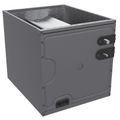
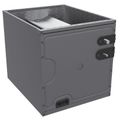
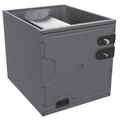
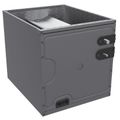
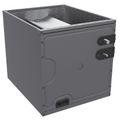
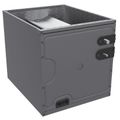
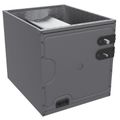

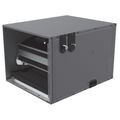
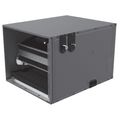
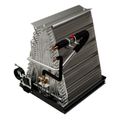
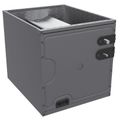
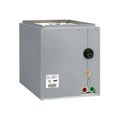
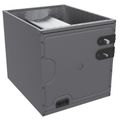
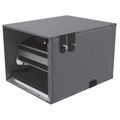
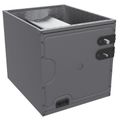
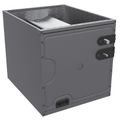
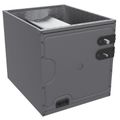
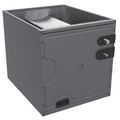
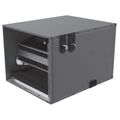

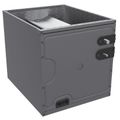
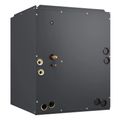
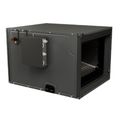
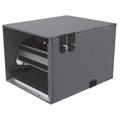
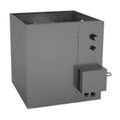
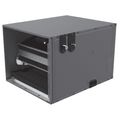
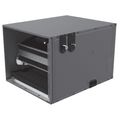
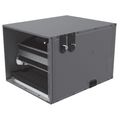
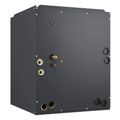
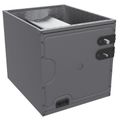
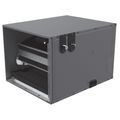

Evaporator coils absorb heat from indoor air as refrigerant passes through them, making them a core component of any air conditioning or heat pump system's cooling cycle. Installed inside the air handler or furnace cabinet, the coil allows refrigerant to change from liquid to gas while pulling heat and moisture out of the air moving across its fins. Contractors replace evaporator coils when a leak develops, when a system is upgraded to a different refrigerant type, or when matching a new outdoor condensing unit to an older indoor coil no longer makes sense for efficiency reasons. Coil selection depends on matching capacity, refrigerant type, and cabinet dimensions to the rest of the system, since an improperly matched coil can reduce efficiency or cause performance problems like inadequate cooling or excess humidity indoors. This category serves HVAC contractors handling new installations, coil leak repairs, and system replacements where the indoor coil needs to be swapped alongside outdoor equipment.
Subcategories
- A-Coils: A-coils are shaped in an A-frame configuration and are the most common style used in upflow and downflow air handler cabinets. Their shape maximizes surface area within a compact cabinet footprint, which supports efficient heat transfer. Contractors select A-coils based on the cabinet width and airflow direction of the existing equipment.
- N-Coils and Slab Coils: N-coils and slab coils fit specific cabinet configurations where an A-coil's shape doesn't match the available space, such as certain horizontal or low-profile installations. These coil types still perform the same heat transfer function but are built to fit tighter or differently shaped cabinets. Matching the coil style to the cabinet is essential before ordering a replacement.
- Coil Cases and Cabinets: Coil cases and cabinets house the evaporator coil and connect it to the surrounding ductwork. A damaged or rusted case is sometimes the reason for a coil replacement even when the coil itself is functioning. Sealing the case properly after installation prevents conditioned air from leaking around the coil rather than passing through it.
- Drain Pans and Accessories: Drain pans collect the condensation an evaporator coil produces during normal cooling operation, channeling it to a drain line. A cracked or clogged pan is a common cause of water damage inside a mechanical closet or attic. Replacing a drain pan alongside an aging coil is common practice to avoid a repeat service call.
Buying Guide
Matching a replacement coil to the rest of the system is the most important step in the buying process. Capacity, refrigerant type, and cabinet dimensions all need to align with the outdoor condensing unit and air handler already in place, since a mismatched coil can reduce cooling performance or leave a system running less efficiently than it should.
Evaporator Coils come in several shapes, including A-coils, N-coils, and slab coils, and the correct style depends on the cabinet's dimensions and airflow configuration rather than personal preference. Installing the wrong shape can mean a coil that doesn't fit the available space or one that restricts airflow more than the original.
Refrigerant type is another key consideration, particularly on older systems. A coil designed for one refrigerant type generally isn't compatible with a system that's been converted or upgraded to another, so confirming refrigerant compatibility before ordering avoids a costly mismatch.
Finally, consider the condition of surrounding components. A coil case that's rusted or a drain pan that's cracked can undermine an otherwise correct coil replacement, so inspecting these parts during the same service call and replacing them as needed helps prevent a return trip for a related failure shortly after the main repair.
Frequently Asked Questions
How do I know if I need an A-coil, N-coil, or slab coil?
The choice depends on the air handler or furnace cabinet's dimensions and airflow direction, not personal preference. Check the existing cabinet configuration or the manufacturer's specifications before ordering a replacement.
Can I replace just the coil without replacing the outdoor unit?
In many cases, yes, as long as the replacement coil matches the capacity and refrigerant type of the existing outdoor unit. Mismatched components can reduce system efficiency even if they technically fit together.
What are common signs an evaporator coil needs replacement?
A refrigerant leak, reduced cooling performance, or ice forming on the coil are common indicators. A rusted or damaged coil case can also be a reason for replacement even if the coil itself is still functioning.
Why replace the drain pan when replacing the coil?
A drain pan that's already cracked or corroded is likely to fail again soon after a coil replacement, leading to water damage and a repeat service call. Replacing both at once is more efficient than handling them separately.
Does refrigerant type affect which coil I should order?
Yes. A coil built for one refrigerant type generally isn't compatible with a system using a different refrigerant, so confirming compatibility with the rest of the system is an important step before finalizing an order.
