




Flexmaster Fabriflex Ducting
Flexmaster Fabriflex ducting covers flexible duct built for a range of pressure and acoustic requirements, from general-purpose Fab 3 duct to the acoustically rated Fab 6 line and heavier-duty Fab 8 options.
Choosing the right Fab series depends on the system's static pressure and whether sound attenuation matters for the installation, since Fab 6's acoustic rating suits applications near occupied spaces. Matching duct diameter to the connected equipment keeps airflow consistent through the flexible run.
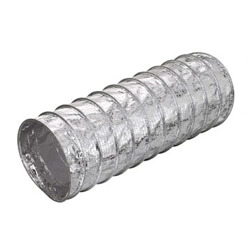
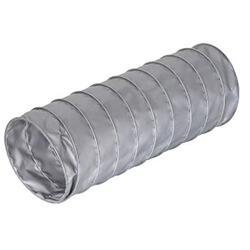
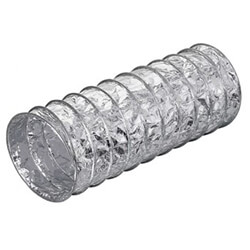
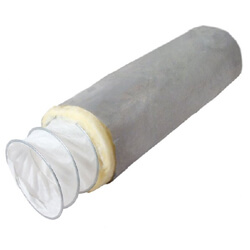


Subcategories
- Fab 3 Fabriflex Ducting: Fab 3 is a general purpose flexible duct used for standard supply and return connections in residential and light commercial HVAC systems. Installers reach for it on straightforward runs that don't have special acoustic or pressure requirements beyond typical duct system operation.
- Fab 4 Fabriflex Ducting: Fab 4 fits jobs that need a step up in performance from a basic flexible duct, commonly used where a system's layout calls for added durability or a different insulation option than the entry level line offers. HVAC installers select it as a middle ground between general purpose and specialty duct lines.
- Fab 5 Fabriflex Low Pressure Ducting: Fab 5 is built for low pressure duct systems, which covers most standard residential and commercial supply and return applications rather than higher pressure specialty systems. Installers use it where the system's static pressure falls within typical low pressure duct ratings.
- Fab 6 Fabriflex Acoustical Ducting: Fab 6 is Flexmaster's acoustically rated duct, built with a spun nylon core mechanically bonded to a galvanized steel helix for broadband sound reduction, and it's available in multiple insulation R-values along with an uninsulated option to match the job's thermal requirements. Installers specify it for runs near bedrooms, offices, or other spaces where duct noise from the HVAC system would otherwise be a problem.
- Fab 8 Fabriflex Ducting: Fab 8 is part of Flexmaster's Fabriflex line for installers who need its specific construction for a given system design. As with the rest of the Fab series, choosing it correctly comes down to matching the duct's pressure rating and insulation option to the job's mechanical drawings rather than defaulting to whichever flexible duct is already on the truck.
Buying Guide
Start with the ductwork drawings and specifications for the job, since Flexmaster's Fab series covers different pressure ratings and features and the correct one is usually already called out in the mechanical plans rather than left to the installer's judgment.
Check the system's operating pressure before choosing between general purpose and low pressure rated duct. Installing duct that isn't rated for the pressure it will see risks premature failure or a duct that doesn't perform as designed.
For runs near occupied spaces like bedrooms, offices, or conference rooms, consider an acoustically rated option like Fab 6, which uses a construction built specifically to reduce noise transmission rather than relying on standard duct and hoping noise isn't an issue.
When insulation matters, whether for energy code compliance or to prevent condensation on runs through unconditioned space, match the R-value to the job's requirements rather than defaulting to the lowest or highest option available. Fab 6, for example, comes in multiple R-value options plus an uninsulated version.
Confirm duct diameter and length against the run before ordering, and account for the fact that flexible duct performs best when it's pulled reasonably taut and supported properly, since excessive sag or compression reduces airflow regardless of which Fab series is installed.
Frequently Asked Questions
What's the difference between Fab 5 and Fab 6 Fabriflex duct?
Fab 5 is a standard low pressure duct built for typical supply and return applications, while Fab 6 is acoustically rated, using a construction designed to reduce noise transmission through the ductwork, which makes it a better fit for runs near occupied spaces.
Does Fabriflex acoustical duct come insulated?
Fab 6 acoustical duct is available with multiple insulation R-value options as well as an uninsulated version, so the right choice depends on whether the job needs thermal performance in addition to noise reduction.
What pressure rating do I need for a standard residential duct run?
Most residential and light commercial supply and return runs fall within low pressure duct ratings, which is what lines like Fab 5 are built for. Higher pressure or specialty applications may call for a different duct type based on the system's mechanical drawings.
Where should acoustically rated duct be used instead of standard flexible duct?
Acoustically rated duct like Fab 6 is worth using on runs near bedrooms, offices, conference rooms, or other spaces where duct noise from the HVAC system would be noticeable, since it's built specifically to reduce sound transmission compared to standard duct.
How is Fabriflex duct constructed?
Flexmaster's Fabriflex acoustical line uses a spun nylon core mechanically bonded to a galvanized steel helix, which supports the duct's shape while contributing to its sound-reducing performance.
Resources
Other Resources
Subcategories
- Fab 3 Fabriflex Ducting: Fab 3 is a general purpose flexible duct used for standard supply and return connections in residential and light commercial HVAC systems. Installers reach for it on straightforward runs that don't have special acoustic or pressure requirements beyond typical duct system operation.
- Fab 4 Fabriflex Ducting: Fab 4 fits jobs that need a step up in performance from a basic flexible duct, commonly used where a system's layout calls for added durability or a different insulation option than the entry level line offers. HVAC installers select it as a middle ground between general purpose and specialty duct lines.
- Fab 5 Fabriflex Low Pressure Ducting: Fab 5 is built for low pressure duct systems, which covers most standard residential and commercial supply and return applications rather than higher pressure specialty systems. Installers use it where the system's static pressure falls within typical low pressure duct ratings.
- Fab 6 Fabriflex Acoustical Ducting: Fab 6 is Flexmaster's acoustically rated duct, built with a spun nylon core mechanically bonded to a galvanized steel helix for broadband sound reduction, and it's available in multiple insulation R-values along with an uninsulated option to match the job's thermal requirements. Installers specify it for runs near bedrooms, offices, or other spaces where duct noise from the HVAC system would otherwise be a problem.
- Fab 8 Fabriflex Ducting: Fab 8 is part of Flexmaster's Fabriflex line for installers who need its specific construction for a given system design. As with the rest of the Fab series, choosing it correctly comes down to matching the duct's pressure rating and insulation option to the job's mechanical drawings rather than defaulting to whichever flexible duct is already on the truck.
Buying Guide
Start with the ductwork drawings and specifications for the job, since Flexmaster's Fab series covers different pressure ratings and features and the correct one is usually already called out in the mechanical plans rather than left to the installer's judgment.
Check the system's operating pressure before choosing between general purpose and low pressure rated duct. Installing duct that isn't rated for the pressure it will see risks premature failure or a duct that doesn't perform as designed.
For runs near occupied spaces like bedrooms, offices, or conference rooms, consider an acoustically rated option like Fab 6, which uses a construction built specifically to reduce noise transmission rather than relying on standard duct and hoping noise isn't an issue.
When insulation matters, whether for energy code compliance or to prevent condensation on runs through unconditioned space, match the R-value to the job's requirements rather than defaulting to the lowest or highest option available. Fab 6, for example, comes in multiple R-value options plus an uninsulated version.
Confirm duct diameter and length against the run before ordering, and account for the fact that flexible duct performs best when it's pulled reasonably taut and supported properly, since excessive sag or compression reduces airflow regardless of which Fab series is installed.
Frequently Asked Questions
What's the difference between Fab 5 and Fab 6 Fabriflex duct?
Fab 5 is a standard low pressure duct built for typical supply and return applications, while Fab 6 is acoustically rated, using a construction designed to reduce noise transmission through the ductwork, which makes it a better fit for runs near occupied spaces.
Does Fabriflex acoustical duct come insulated?
Fab 6 acoustical duct is available with multiple insulation R-value options as well as an uninsulated version, so the right choice depends on whether the job needs thermal performance in addition to noise reduction.
What pressure rating do I need for a standard residential duct run?
Most residential and light commercial supply and return runs fall within low pressure duct ratings, which is what lines like Fab 5 are built for. Higher pressure or specialty applications may call for a different duct type based on the system's mechanical drawings.
Where should acoustically rated duct be used instead of standard flexible duct?
Acoustically rated duct like Fab 6 is worth using on runs near bedrooms, offices, conference rooms, or other spaces where duct noise from the HVAC system would be noticeable, since it's built specifically to reduce sound transmission compared to standard duct.
How is Fabriflex duct constructed?
Flexmaster's Fabriflex acoustical line uses a spun nylon core mechanically bonded to a galvanized steel helix, which supports the duct's shape while contributing to its sound-reducing performance.