



Filters
SORT
Product Availability –
Gallons Per Flush –
Review Score –
 --%3E %3Csvg version='1.1' id='Fill' xmlns='http://www.w3.org/2000/svg' xmlns:xlink='http://www.w3.org/1999/xlink' x='0px' y='0px' viewBox='0 0 100 100' enable-background='new 0 0 100 100' xml:space='preserve'%3E %3Cpath fill='%23F15C02' d='M79.44,0.95H20.56C9.78,0.95,0.95,9.78,0.95,20.56v58.87c0,10.79,8.82,19.61,19.61,19.61h58.87 c10.79,0,19.61-8.83,19.61-19.61V20.56C99.05,9.78,90.22,0.95,79.44,0.95z M65.38,58.24l9.38,29.58L49.69,69.78L24.5,87.82 l9.34-29.6L8.8,39.6l30.73-0.17c0,0,6.98-19.61,10-28.93c0.54,1.36,9.88,29.1,9.88,29.1H91.2L65.38,58.24z'/%3E %3C/svg%3E)
Price Range –
Zurn Flush Valves

 --%3E %3Csvg version='1.1' id='No-RB' xmlns='http://www.w3.org/2000/svg' xmlns:xlink='http://www.w3.org/1999/xlink' x='0px' y='0px' viewBox='0 0 100 100' enable-background='new 0 0 100 100' xml:space='preserve'%3E %3Cpath fill='%23CECECE' d='M79.44,0.95H20.56C9.78,0.95,0.95,9.78,0.95,20.56v58.87c0,10.79,8.82,19.61,19.61,19.61h58.87 c10.79,0,19.61-8.83,19.61-19.61V20.56C99.05,9.78,90.22,0.95,79.44,0.95z M65.38,58.24l9.38,29.58L49.69,69.78L24.5,87.82 l9.34-29.6L8.8,39.6l30.73-0.17c0,0,6.98-19.61,10-28.93c0.54,1.36,9.88,29.1,9.88,29.1H91.2L65.38,58.24z'/%3E %3C/svg%3E)


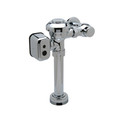

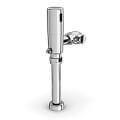
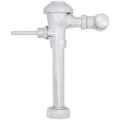
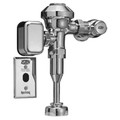

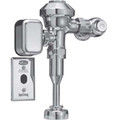
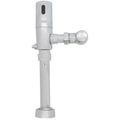
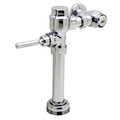

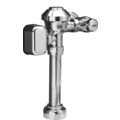

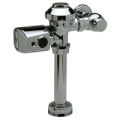

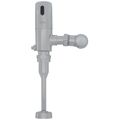
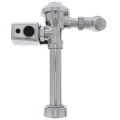
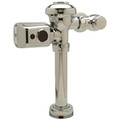
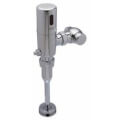

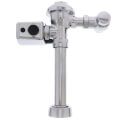

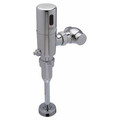
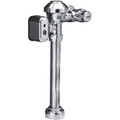
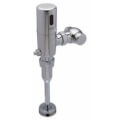
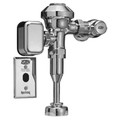
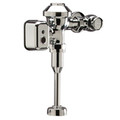
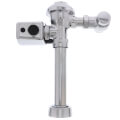
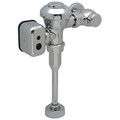
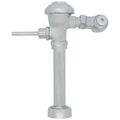


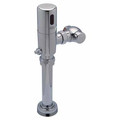
Zurn flush valves are the mechanical or sensor-operated valves that control water discharge on commercial toilets and urinals, engineered for the high-cycle, heavy-use demands of restrooms in offices, schools, and public facilities. Facility managers and plumbers spec Zurn flush valves both for new commercial restroom construction and when replacing worn valves that have started leaking or double-flushing. The line includes manual handle-operated models as well as sensor-activated versions that reduce water waste and improve hygiene in high-traffic restrooms. Matching the valve's flush volume to the fixture it serves, whether a toilet or urinal, and to any applicable water-efficiency code is a required step, not an afterthought. Because commercial flush valves see far more cycles per day than a residential toilet's fill valve, choosing a model built for commercial duty cycles extends service life and reduces maintenance calls.
Subcategories
- Manual Zurn Flush Valves: Manual Zurn flush valves use a handle or push-button mechanism that a user operates directly to trigger the flush cycle. Facility managers favor manual valves for their mechanical simplicity and lower cost, particularly in facilities where sensor electronics would add maintenance complexity without a clear hygiene benefit. The valve's diaphragm and handle assembly are field-serviceable, letting a plumber rebuild rather than replace the unit when it starts leaking. Schools and office buildings commonly standardize on manual valves across all restrooms for parts consistency.
- Sensor-Operated Zurn Flush Valves: Sensor-operated Zurn flush valves trigger automatically when an infrared sensor detects a user stepping away from the fixture, removing the need for manual contact. Facility managers spec sensor valves in public restrooms and healthcare settings where hands-free operation improves hygiene and reduces water waste from valves left running. Battery life and sensor range are practical considerations when selecting a model for a specific restroom layout. Retrofitting sensor valves onto existing manual valve bodies is possible with some models, avoiding a full fixture replacement.
- Zurn Flush Valves for Urinals: Zurn flush valves built for urinals are calibrated to a lower flush volume than toilet valves, matching the fixture type they serve. Plumbers must confirm the flush volume rating matches both the urinal manufacturer's requirements and local water-efficiency code, since using a toilet-rated valve on a urinal wastes water and can affect fixture performance. Manual and sensor operation options are both available for urinal-rated valves, matching the choices offered for toilet valves. Facilities upgrading for water efficiency often start with urinal valve replacements given their frequent daily use.
- Zurn Flush Valve Repair Kits and Parts: Zurn flush valve repair kits and parts let a plumber rebuild a worn valve rather than replace the entire body, addressing the diaphragm, seals, and handle components that wear out first under heavy commercial use. Facility maintenance staff keep rebuild kits on hand for high-traffic restrooms where a valve failure needs same-day resolution. Confirming the kit matches the exact valve model and vintage is necessary, since Zurn has updated valve designs over the years. Rebuilding a valve is typically faster and less expensive than a full valve replacement when the body itself is still in good condition.
Buying Guide
Selecting the right flush valve starts with confirming whether the installation calls for a toilet-rated or urinal-rated model, since the two use different flush volumes and are not interchangeable without affecting fixture performance and water use. Manual versus sensor-operated is the next major decision, and that choice usually comes down to the facility type and hygiene priorities rather than budget alone; healthcare and high-traffic public restrooms lean toward sensor models, while schools and offices often standardize on manual valves for simplicity and parts consistency. Zurn Flush Valves are available in multiple flush volumes to meet varying state and local water-efficiency codes, so confirming the applicable code requirement before ordering avoids a fixture that fails inspection. For replacement jobs, matching the new valve to the existing rough-in and supply line configuration prevents an unplanned piping modification. Facilities with a large number of fixtures benefit from standardizing on one valve family across the building, since that consistency simplifies repair kit inventory and staff training on maintenance procedures. Finally, when a valve is leaking or double-flushing, a rebuild kit addressing the diaphragm and seals often resolves the issue faster and at lower cost than replacing the entire valve body, provided the valve model can be confirmed accurately before the kit is ordered.
Frequently Asked Questions
What's the difference between manual and sensor-operated Zurn flush valves?
Manual valves require a user to press a handle or button to trigger the flush, while sensor valves activate automatically using an infrared sensor. Sensor valves reduce contact points and can lower water waste from valves left running, making them common in healthcare and high-traffic public restrooms. Manual valves remain popular for their simplicity and lower maintenance complexity.
Can a toilet flush valve be used on a urinal?
No. Toilet and urinal flush valves are calibrated to different flush volumes matched to each fixture type, and using the wrong one wastes water and can affect fixture performance. Confirming the flush volume rating against both the fixture manufacturer's specifications and local water-efficiency code before ordering avoids this mismatch.
How do I know if a flush valve needs a full replacement or just a rebuild kit?
If the valve body itself isn't cracked or corroded and the issue is a leak, running water, or a weak flush, a rebuild kit addressing the diaphragm and seals usually resolves it. A full replacement is typically needed only when the valve body is damaged or when upgrading to a different flush volume or operation type. Confirming the exact valve model before ordering parts prevents an incompatible kit.
Do sensor flush valves need a power source?
Most sensor-operated flush valves run on batteries housed in the valve body, though some commercial installations use hardwired or transformer-powered models for higher-traffic applications. Battery-powered models typically signal low battery status before failing completely, giving maintenance staff time to replace it. Checking the power requirements for a specific model before installation confirms which option fits the facility.
What water-efficiency codes apply to commercial flush valves?
Requirements vary by state and locality, with many jurisdictions setting maximum flush volumes for both toilets and urinals to reduce water consumption. Facility managers and plumbers should confirm the applicable code for the project's location before selecting a valve, since a non-compliant fixture can fail inspection. Local plumbing code officials are the best resource for confirming current requirements.
