




Filters
SORT
Product Availability –
Product Type –
Mount –
Review Score –
 --%3E %3Csvg version='1.1' id='Fill' xmlns='http://www.w3.org/2000/svg' xmlns:xlink='http://www.w3.org/1999/xlink' x='0px' y='0px' viewBox='0 0 100 100' enable-background='new 0 0 100 100' xml:space='preserve'%3E %3Cpath fill='%23F15C02' d='M79.44,0.95H20.56C9.78,0.95,0.95,9.78,0.95,20.56v58.87c0,10.79,8.82,19.61,19.61,19.61h58.87 c10.79,0,19.61-8.83,19.61-19.61V20.56C99.05,9.78,90.22,0.95,79.44,0.95z M65.38,58.24l9.38,29.58L49.69,69.78L24.5,87.82 l9.34-29.6L8.8,39.6l30.73-0.17c0,0,6.98-19.61,10-28.93c0.54,1.36,9.88,29.1,9.88,29.1H91.2L65.38,58.24z'/%3E %3C/svg%3E)
Price Range –
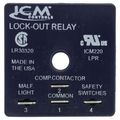
Freeze and Compressor Protection Modules


 --%3E %3Csvg version='1.1' id='No-RB' xmlns='http://www.w3.org/2000/svg' xmlns:xlink='http://www.w3.org/1999/xlink' x='0px' y='0px' viewBox='0 0 100 100' enable-background='new 0 0 100 100' xml:space='preserve'%3E %3Cpath fill='%23CECECE' d='M79.44,0.95H20.56C9.78,0.95,0.95,9.78,0.95,20.56v58.87c0,10.79,8.82,19.61,19.61,19.61h58.87 c10.79,0,19.61-8.83,19.61-19.61V20.56C99.05,9.78,90.22,0.95,79.44,0.95z M65.38,58.24l9.38,29.58L49.69,69.78L24.5,87.82 l9.34-29.6L8.8,39.6l30.73-0.17c0,0,6.98-19.61,10-28.93c0.54,1.36,9.88,29.1,9.88,29.1H91.2L65.38,58.24z'/%3E %3C/svg%3E)


Freeze and compressor protection modules are electronic controls that shut down or delay an HVAC or refrigeration compressor to prevent damage from icing, low refrigerant pressure, or electrical faults. A freeze protection module typically monitors coil or line temperature and cuts power to the compressor before ice builds up enough to restrict airflow or damage the coil. Compressor protection modules instead watch for conditions like short cycling, low voltage, or phase loss that can burn out a compressor's windings over time. HVAC and refrigeration technicians add these modules to both new equipment and older systems that lack built-in protection, especially on rooftop units and walk-in coolers where a compressor failure means a costly replacement and lost cooling. Selecting the right module depends on matching its voltage rating and control logic to the specific compressor and application.
Subcategories
- Freeze Sensors and Thermostats: Freeze sensors clamp onto or insert into the evaporator coil or suction line to monitor temperature and signal the control board before ice forms. HVAC technicians install these sensors on systems that have shown repeated icing problems, often tied to low airflow or low refrigerant charge. A properly placed sensor shuts the compressor down early enough to let the coil defrost naturally. Replacing a failed sensor is usually faster and cheaper than diagnosing repeated freeze-ups after the fact.
- Compressor Short Cycle Protectors: Short cycle protectors add a time delay before allowing a compressor to restart after a power interruption or thermostat cycle, which prevents the compressor from starting against high head pressure. Contractors add these modules on service calls where a compressor is cycling too fast after a brownout or during storms with frequent power blips. The delay period is usually fixed by the module's design rather than adjustable in the field. Protecting the compressor this way can extend its service life on both residential and light commercial systems.
- Compressor Hard Start Kits: Hard start kits add a boost of starting torque, using a start capacitor and relay, to help a compressor overcome high pressure or a weak start winding when it first energizes. Technicians add these kits to older compressors that struggle to start, particularly in hot weather when head pressure is highest. Correct kit sizing depends on the compressor's horsepower and existing capacitor rating. Adding a hard start kit to a failing compressor can buy time before a full replacement is needed, though it isn't a permanent fix for a worn-out unit.
- Low Voltage and Phase Monitors: Voltage and phase monitors shut down a compressor when incoming power falls outside a safe range or when a phase is lost on three-phase equipment. Commercial refrigeration and rooftop HVAC contractors rely on these modules to protect expensive compressors in areas with unreliable utility power. A tripped monitor typically needs a manual reset once power returns to a safe range. These modules are common on walk-in cooler and freezer systems where a compressor failure can also mean lost inventory.
Buying Guide
Picking the right freeze and compressor protection module starts with identifying the specific failure mode a system has experienced: repeated coil icing calls for a freeze sensor, while a compressor that trips on starting or short cycles needs a different type of protection altogether. Technicians should diagnose the root cause first, since a protection module manages symptoms and doesn't fix an underlying issue like low refrigerant charge or restricted airflow.
Voltage and phase compatibility matter as much as the type of module. Compressor protection modules rated for single-phase equipment won't work correctly on three-phase compressors, and mismatched voltage ratings can leave the compressor unprotected or trigger nuisance shutdowns. Checking the compressor's nameplate against the module's specification sheet before purchase avoids a wasted trip back to the supply house.
Installation location also affects performance for freeze sensors specifically, since a sensor mounted in the wrong spot on the coil or suction line may not detect icing early enough to prevent damage. Contractors sourcing Freeze and Compressor Protection Modules for a service call should confirm the module matches both the compressor's electrical specifications and the failure pattern observed on-site, rather than defaulting to whatever protection device is already in stock on the truck.
Frequently Asked Questions
What's the difference between a freeze protection module and a compressor protection module?
A freeze protection module watches coil or line temperature to prevent ice buildup, while a compressor protection module watches electrical conditions like voltage, phase, and cycling frequency. Both aim to prevent expensive compressor damage, but they respond to different failure modes. Some systems use both types together for full protection.
Can a hard start kit fix a compressor that won't start at all?
Not always. A hard start kit helps a compressor that struggles to start due to high pressure or a weak winding, but it won't restart a compressor with a fully failed winding or seized mechanical parts. Testing the compressor's windings and mechanical condition first helps confirm whether a hard start kit will actually solve the problem. If the compressor is truly failed, a hard start kit only delays the inevitable replacement.
How can a technician tell if a system needs a short cycle protector?
A system that repeatedly trips out on high pressure or restarts within a few seconds of shutting off is showing classic signs of needing cycle protection. Frequent short cycling from storms or unstable utility power is one of the most common triggers. Adding a short cycle protector after diagnosing this pattern can prevent repeat compressor damage.
Do these modules work on residential systems, or just commercial equipment?
Both. Freeze sensors and short cycle protectors are common on residential air conditioners and heat pumps, while phase monitors are mostly used on three-phase commercial and light commercial equipment. The right module depends on the equipment's voltage and phase configuration rather than whether it's residential or commercial.
What happens after a compressor protection module trips?
Most modules require a manual reset or a power cycle before the compressor can restart, which gives a technician a chance to diagnose the trip before the equipment runs again. Some short cycle protectors reset automatically after their built-in delay period. Checking why the module tripped before resetting it helps prevent a repeat failure.
