




Filters
SORT
Product Availability –
Review Score –
 --%3E %3Csvg version='1.1' id='Fill' xmlns='http://www.w3.org/2000/svg' xmlns:xlink='http://www.w3.org/1999/xlink' x='0px' y='0px' viewBox='0 0 100 100' enable-background='new 0 0 100 100' xml:space='preserve'%3E %3Cpath fill='%23F15C02' d='M79.44,0.95H20.56C9.78,0.95,0.95,9.78,0.95,20.56v58.87c0,10.79,8.82,19.61,19.61,19.61h58.87 c10.79,0,19.61-8.83,19.61-19.61V20.56C99.05,9.78,90.22,0.95,79.44,0.95z M65.38,58.24l9.38,29.58L49.69,69.78L24.5,87.82 l9.34-29.6L8.8,39.6l30.73-0.17c0,0,6.98-19.61,10-28.93c0.54,1.36,9.88,29.1,9.88,29.1H91.2L65.38,58.24z'/%3E %3C/svg%3E)
Price Range –
Rheem Water Heater Gas Control Valves
 --%3E %3Csvg version='1.1' id='No-RB' xmlns='http://www.w3.org/2000/svg' xmlns:xlink='http://www.w3.org/1999/xlink' x='0px' y='0px' viewBox='0 0 100 100' enable-background='new 0 0 100 100' xml:space='preserve'%3E %3Cpath fill='%23CECECE' d='M79.44,0.95H20.56C9.78,0.95,0.95,9.78,0.95,20.56v58.87c0,10.79,8.82,19.61,19.61,19.61h58.87 c10.79,0,19.61-8.83,19.61-19.61V20.56C99.05,9.78,90.22,0.95,79.44,0.95z M65.38,58.24l9.38,29.58L49.69,69.78L24.5,87.82 l9.34-29.6L8.8,39.6l30.73-0.17c0,0,6.98-19.61,10-28.93c0.54,1.36,9.88,29.1,9.88,29.1H91.2L65.38,58.24z'/%3E %3C/svg%3E)

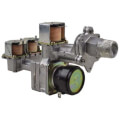
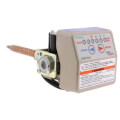
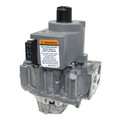
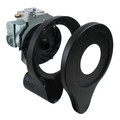
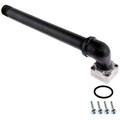

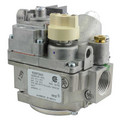

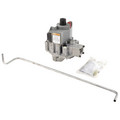
Rheem Water Heater Gas Control Valves are the safety and regulation components that manage gas flow to the burner on Rheem residential and light commercial gas water heaters. The valve reads signals from the thermostat, thermocouple, or electronic ignition module and opens or shuts the main gas port accordingly, keeping tank temperature within the range set by the homeowner or building operator. Some Rheem models rely on a standing pilot with a millivolt-powered valve, while newer units pair an electronic ignition system with a valve that takes direction from a control board rather than a thermocouple alone. Because the valve sits directly in the gas line, matching the correct valve to the water heater's BTU input and connection size is not optional. A plumber replacing a failed valve typically confirms the original part number on the water heater's rating plate before ordering, since valves built for one input rating or gas type will not regulate correctly on another.
Subcategories
- Millivolt (Standing Pilot) Gas Control Valves: Millivolt valves run on the small electrical charge generated by a thermocouple or thermopile sitting in the pilot flame, with no external power needed to operate. They are common on standard atmospheric-vent Rheem water heaters that keep a pilot light burning continuously. A valve that will not hold open despite a strong pilot flame usually points to a worn thermocouple connection rather than the valve body itself, so technicians typically test that connection before condemning the valve.
- Electronic Ignition Gas Control Valves: Electronic ignition valves take a signal from a control module or integrated ignition system rather than running on pilot-generated millivolt power, and they're standard on Rheem's power vent and direct vent lines. These valves often include a built-in step for ignition trial and flame proving before opening to full rate. Because the valve communicates directly with the control board, replacements need to match the exact connector and module compatibility, not just the gas port size.
- Thermocouples and Pilot Assemblies: Thermocouples and full pilot assemblies are usually stocked alongside gas control valves since a weak pilot signal is one of the most common reasons a valve will not stay open on a standing-pilot unit. A pilot assembly bundles the pilot burner, thermocouple, and sometimes the igniter into one replaceable unit sized to the specific water heater model. Replacing the thermocouple first is standard diagnostic practice before assuming the valve itself has failed.
- Gas Valve Knobs and Temperature Dials: The external knob or dial that a homeowner or technician turns to set temperature or shut off gas flow can crack or strip out well before the valve body fails internally. These parts are sized and keyed to fit specific valve models, so a mismatched knob can bind or fail to fully close the gas supply. Replacing just the knob is a lower-cost fix when the valve itself is still regulating gas flow correctly.
Buying Guide
Ordering the right Rheem Water Heater Gas Control Valve starts with the water heater's rating plate, which lists the model number, gas type, and BTU input the original valve was built to regulate. A valve rated for a different BTU range will not maintain proper burner output even if it physically threads onto the same gas line connection, so matching by model number is more reliable than matching by pipe size alone.
Gas type matters as much as BTU rating. Natural gas and propane valves are not interchangeable, and installing the wrong type can prevent proper combustion or create an unsafe condition. Some Rheem valves ship convertible with a kit for switching gas types, but that conversion has to be done according to the manufacturer's documented procedure rather than assumed to work automatically.
Ignition type is the other major factor. Standing pilot units need a millivolt valve compatible with the existing thermocouple or thermopile, while power vent and electronic ignition models need a valve that matches the control board's connector and communication protocol. Mixing ignition types, such as installing a millivolt valve on a system built for electronic ignition, will leave the water heater unable to fire.
Technicians servicing older Rheem units should also check whether the exact valve model is still in production, since gas valve designs are updated periodically for efficiency and safety code changes. When an exact match isn't available, a documented cross-reference to a compatible replacement, confirmed against BTU rating, gas type, and connector style, keeps the repair within the water heater's original safety certification.
Frequently Asked Questions
How do I know if a Rheem water heater's gas control valve has failed?
Common signs include a pilot that won't stay lit despite a good thermocouple reading, a burner that fails to fire even with electronic ignition present, or a valve that won't fully shut off gas flow. Testing the thermocouple or ignition control signal first helps confirm whether the valve itself is the problem before ordering a replacement.
Can I install a universal gas control valve instead of the exact Rheem part?
Some universal valves are built to cross-reference specific models, but the replacement still needs to match the original valve's BTU rating, gas type, and ignition system exactly. Installing a valve outside those specifications can affect burner performance and safety certification, so checking the cross-reference documentation against the water heater's rating plate is essential.
What's the difference between a millivolt valve and an electronic ignition valve?
A millivolt valve is powered by the small voltage a thermocouple or thermopile generates from the pilot flame and needs no outside electrical connection. An electronic ignition valve instead takes a signal from a control board or ignition module, which is standard on power vent and direct vent Rheem models. The two are not interchangeable without also changing the ignition components they pair with.
Do gas control valves need to be replaced with natural gas or propane specifically in mind?
Yes. Natural gas and propane valves regulate different gas pressures and are not interchangeable without a documented conversion kit and procedure. Installing the wrong gas type valve can prevent the burner from firing correctly or create an unsafe operating condition.
Is it safe to replace a gas control valve without shutting off the water heater's gas supply?
No. The gas supply to the water heater needs to be shut off at the manual shutoff valve before disconnecting or replacing any gas control valve. This is standard practice for any gas appliance repair and applies regardless of the specific valve or water heater model involved.
