




Generators

 --%3E %3Csvg version='1.1' id='No-RB' xmlns='http://www.w3.org/2000/svg' xmlns:xlink='http://www.w3.org/1999/xlink' x='0px' y='0px' viewBox='0 0 100 100' enable-background='new 0 0 100 100' xml:space='preserve'%3E %3Cpath fill='%23CECECE' d='M79.44,0.95H20.56C9.78,0.95,0.95,9.78,0.95,20.56v58.87c0,10.79,8.82,19.61,19.61,19.61h58.87 c10.79,0,19.61-8.83,19.61-19.61V20.56C99.05,9.78,90.22,0.95,79.44,0.95z M65.38,58.24l9.38,29.58L49.69,69.78L24.5,87.82 l9.34-29.6L8.8,39.6l30.73-0.17c0,0,6.98-19.61,10-28.93c0.54,1.36,9.88,29.1,9.88,29.1H91.2L65.38,58.24z'/%3E %3C/svg%3E)


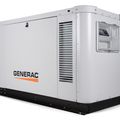
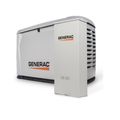
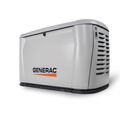
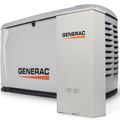
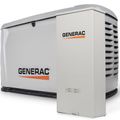

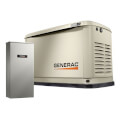
Generators supply backup or supplemental electrical power for residential and light commercial properties when utility power is unavailable or when a job site needs power independent of the grid. Standby units connect to a home or building's electrical system and start automatically during an outage, while portable units are moved to a location and connected as needed for job-site power or temporary backup. Both run on fuel sources such as natural gas, propane, gasoline, or diesel depending on the model and intended use.
Contractors and property owners specify generators to keep critical systems, well pumps, sump pumps, refrigeration, heating equipment, running through an outage, or to power tools and equipment where utility service isn't available. Matching the unit's capacity and fuel type to the intended load is the central decision in selecting the right generator for a given property or job.
Subcategories
- Standby Generators: Permanently installed units wired into a property's electrical panel through a transfer switch, starting automatically within seconds of a utility outage. These typically run on natural gas or propane for continuous fuel supply without manual refueling. Homeowners and property managers favor them for unattended backup during extended outages.
- Portable Generators: Freestanding units that run on gasoline or propane and connect to specific circuits or equipment as needed rather than the whole electrical system. These are common on job sites and for temporary backup power where a permanent installation isn't practical. They require manual startup and periodic refueling during extended use.
- Inverter Generators: Portable units that produce cleaner, more stable power output suited to sensitive electronics and variable-speed equipment. These tend to run quieter and more fuel-efficiently than conventional portable generators at partial load. Contractors often choose these for job sites near occupied buildings where noise is a concern.
Buying Guide
Sizing a generator starts with calculating the total wattage of the circuits or equipment it needs to power, including the higher starting wattage that motors and compressors draw when they first switch on. Undersizing a unit leads to nuisance shutdowns or damaged equipment when multiple loads start at once.
Fuel type is a major decision point. Standby units running on natural gas offer continuous operation without refueling as long as gas service is available, while propane offers similar convenience with on-site fuel storage. Portable gasoline units are lower cost upfront but require manual refueling and more frequent attention during an extended outage.
For standby installations, a transfer switch is required to safely connect the generator to the property's electrical system and prevent backfeed into utility lines, which is a safety hazard for utility workers. This is typically installed by a licensed electrician alongside the generator itself.
Noise output matters for both portable and standby units, particularly in residential neighborhoods or job sites near occupied buildings. Comparing sound ratings between models under consideration helps avoid complaints or code issues after installation.
Finally, factor in maintenance requirements before purchasing. Standby units typically run brief self-test cycles automatically and need periodic servicing similar to a small engine, while portable units need fuel system maintenance and storage preparation between uses to start reliably when needed.
Frequently Asked Questions
What size generator do I need for my home?
Sizing depends on the specific circuits or appliances that need to run during an outage, including the higher starting wattage of motors like well pumps or air conditioners. A licensed electrician can calculate total load requirements for an accurate recommendation.
Can a portable generator power an entire house?
Portable generators are generally sized for specific circuits or equipment rather than a whole home's electrical load, though larger portable units connected through a manual transfer switch can power select circuits. Whole-home coverage typically requires a properly sized standby unit.
Do standby generators require a transfer switch?
Yes, a transfer switch is required to safely isolate the generator from the utility connection and prevent backfeed, which poses a safety risk to utility workers. This is a standard part of any standby generator installation.
How often does a standby generator need maintenance?
Standby units typically run brief automatic self-tests on a regular schedule and need periodic servicing similar to other small engines. Specific maintenance intervals vary by model and manufacturer recommendations.
What's the difference between a conventional and inverter generator?
Inverter generators produce more stable power suited to sensitive electronics and tend to run quieter and more efficiently at partial load, while conventional portable generators are generally less expensive but less refined in power output quality.
