




Geothermal Pumps

 --%3E %3Csvg version='1.1' id='Fill' xmlns='http://www.w3.org/2000/svg' xmlns:xlink='http://www.w3.org/1999/xlink' x='0px' y='0px' viewBox='0 0 100 100' enable-background='new 0 0 100 100' xml:space='preserve'%3E %3Cpath fill='%23F15C02' d='M79.44,0.95H20.56C9.78,0.95,0.95,9.78,0.95,20.56v58.87c0,10.79,8.82,19.61,19.61,19.61h58.87 c10.79,0,19.61-8.83,19.61-19.61V20.56C99.05,9.78,90.22,0.95,79.44,0.95z M65.38,58.24l9.38,29.58L49.69,69.78L24.5,87.82 l9.34-29.6L8.8,39.6l30.73-0.17c0,0,6.98-19.61,10-28.93c0.54,1.36,9.88,29.1,9.88,29.1H91.2L65.38,58.24z'/%3E %3C/svg%3E)

 --%3E %3Csvg version='1.1' id='With-RB' xmlns='http://www.w3.org/2000/svg' xmlns:xlink='http://www.w3.org/1999/xlink' x='0px' y='0px' viewBox='0 0 100 100' enable-background='new 0 0 100 100' xml:space='preserve'%3E %3Cpath fill='%23FBC8B4' d='M79.44,0.95H20.56C9.78,0.95,0.95,9.78,0.95,20.56v58.87c0,10.79,8.82,19.61,19.61,19.61h58.87 c10.79,0,19.61-8.83,19.61-19.61V20.56C99.05,9.78,90.22,0.95,79.44,0.95z M65.38,58.24l9.38,29.58L49.69,69.78L24.5,87.82 l9.34-29.6L8.8,39.6l30.73-0.17c0,0,6.98-19.61,10-28.93c0.54,1.36,9.88,29.1,9.88,29.1H91.2L65.38,58.24z'/%3E %3C/svg%3E)
 --%3E %3Csvg version='1.1' id='No-RB' xmlns='http://www.w3.org/2000/svg' xmlns:xlink='http://www.w3.org/1999/xlink' x='0px' y='0px' viewBox='0 0 100 100' enable-background='new 0 0 100 100' xml:space='preserve'%3E %3Cpath fill='%23CECECE' d='M79.44,0.95H20.56C9.78,0.95,0.95,9.78,0.95,20.56v58.87c0,10.79,8.82,19.61,19.61,19.61h58.87 c10.79,0,19.61-8.83,19.61-19.61V20.56C99.05,9.78,90.22,0.95,79.44,0.95z M65.38,58.24l9.38,29.58L49.69,69.78L24.5,87.82 l9.34-29.6L8.8,39.6l30.73-0.17c0,0,6.98-19.61,10-28.93c0.54,1.36,9.88,29.1,9.88,29.1H91.2L65.38,58.24z'/%3E %3C/svg%3E)
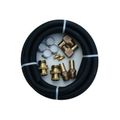
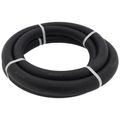
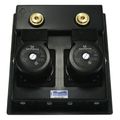
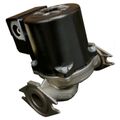
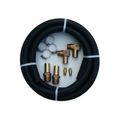
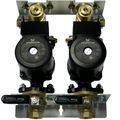
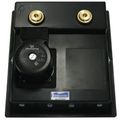
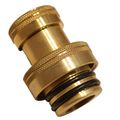
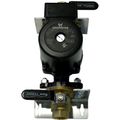
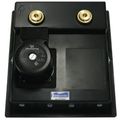
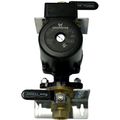
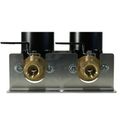
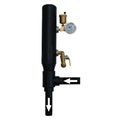
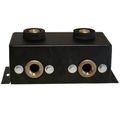
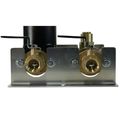
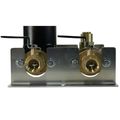

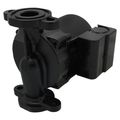
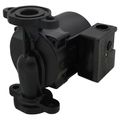
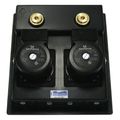
Geothermal pumps circulate water or an antifreeze solution through the buried ground loop of a geothermal heat pump system, moving fluid between the ground loop and the heat pump unit so the system can extract or reject heat from the earth. These pumps run for long stretches during heating and cooling season, which makes efficiency and durability bigger factors in selection than they typically are for a standard hydronic circulator. Variable-speed models adjust flow to match the heat pump's actual load rather than running at a single fixed speed, cutting electrical consumption over a full heating and cooling season. Sizing a geothermal pump correctly means accounting for the total length of the ground loop piping, the number of loops in the system, and the flow rate the heat pump manufacturer specifies for proper heat exchange, since undersized flow reduces the system's heating and cooling capacity.
Subcategories
- Fixed-Speed Circulator Pumps: Fixed-speed circulator pumps run continuously at a single output whenever the geothermal system calls for flow, a simpler and generally lower upfront cost option compared to variable-speed models. Sizing a fixed-speed pump correctly matters more than with variable-speed units, since there is no ability to adjust flow after installation if the load calculation turns out to be off. These pumps see use on smaller residential geothermal systems where load variation across the season is more limited. Replacement parts for common fixed-speed models are widely stocked given how long this style has been standard in the industry.
- Variable-Speed Pumps: Variable-speed pumps adjust their output to match the heat pump's actual demand rather than running at one constant speed, reducing electrical use over a full season compared to a fixed-speed pump sized for peak load. Controls on these pumps typically respond to a signal from the geothermal heat pump itself, ramping flow up or down as the compressor's load changes. Higher upfront cost is generally offset over time by lower electrical draw, particularly on larger systems that run for long stretches each day. Compatibility with the specific heat pump's control signal should be confirmed before ordering.
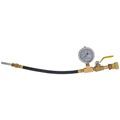
- Loop Field Circulation Pumps: Loop field circulation pumps are sized specifically around the total length and configuration of the buried ground loop piping, which can add significant head loss compared to a simple closed hydronic loop inside a building. Multiple loops connected in parallel reduce the head each individual pump needs to overcome compared to one long loop run in series. Antifreeze solution used in many ground loops is more viscous than plain water, which affects pump sizing and should be accounted for in the flow calculation. Getting loop field sizing right avoids a pump that struggles to maintain adequate flow through the buried piping.
Buying Guide
Selecting a geothermal pump starts with the manufacturer's specified flow rate for the heat pump unit being installed, since every geothermal heat pump has a minimum flow requirement to exchange heat properly with the ground loop. Falling short of that flow rate reduces both heating and cooling capacity even if every other part of the system is installed correctly. After confirming the required flow, total head loss through the ground loop needs to be calculated, accounting for loop length, the number of parallel loops, pipe diameter, and the added viscosity of any antifreeze solution circulating through the system. A pump chosen only against water-based head loss figures can come up short once actual antifreeze solution is factored in. Fixed-speed pumps are usually the lower upfront cost option and work well on smaller systems with a fairly constant load across the heating and cooling season, while variable-speed pumps cost more initially but reduce electrical consumption on larger systems or ones with load that varies significantly throughout the day. Compatibility between a variable-speed pump and the heat pump's control system should be confirmed before ordering, since not every pump communicates with every heat pump brand's control board. On a retrofit where an existing pump is failing, matching the replacement's flow and head performance to the original system's design figures, rather than simply matching the old pump's model number, keeps the ground loop working as designed even if the exact original model is no longer available.
Frequently Asked Questions
What is the difference between a fixed-speed and variable-speed geothermal pump?
A fixed-speed pump runs at one constant output whenever the system calls for flow, while a variable-speed pump adjusts output to match the heat pump's actual load, reducing electrical consumption over a full season. Variable-speed models typically cost more upfront but can offset that cost through lower energy use on larger systems.
How is a geothermal pump sized for a ground loop system?
Sizing starts with the heat pump manufacturer's required flow rate, then factors in total head loss from loop length, pipe diameter, the number of parallel loops, and the viscosity of any antifreeze solution in the loop. Skipping the antifreeze viscosity factor can leave a pump undersized once the system is actually filled and running.
Why does antifreeze solution affect geothermal pump sizing?
Antifreeze solutions used in many ground loops are more viscous than plain water, which increases the pump's head loss compared to a water-only calculation. Accounting for that viscosity during sizing avoids a pump that underperforms once the loop is filled with the actual working fluid.
Can a variable-speed geothermal pump work with any heat pump brand?
Compatibility depends on whether the pump's control signal matches what the heat pump's control board sends out, so not every variable-speed pump pairs with every heat pump brand without additional components. Confirming compatibility before ordering avoids a mismatch discovered during installation.
What happens if a geothermal pump is undersized for the ground loop?
Undersized flow reduces the heat pump's ability to exchange heat with the ground loop, cutting into both heating and cooling capacity even when the rest of the system is installed correctly. Symptoms often show up as reduced comfort or higher than expected run times as the system struggles to meet the load.
