




Grundfos Effluent Pumps

 --%3E %3Csvg version='1.1' id='No-RB' xmlns='http://www.w3.org/2000/svg' xmlns:xlink='http://www.w3.org/1999/xlink' x='0px' y='0px' viewBox='0 0 100 100' enable-background='new 0 0 100 100' xml:space='preserve'%3E %3Cpath fill='%23CECECE' d='M79.44,0.95H20.56C9.78,0.95,0.95,9.78,0.95,20.56v58.87c0,10.79,8.82,19.61,19.61,19.61h58.87 c10.79,0,19.61-8.83,19.61-19.61V20.56C99.05,9.78,90.22,0.95,79.44,0.95z M65.38,58.24l9.38,29.58L49.69,69.78L24.5,87.82 l9.34-29.6L8.8,39.6l30.73-0.17c0,0,6.98-19.61,10-28.93c0.54,1.36,9.88,29.1,9.88,29.1H91.2L65.38,58.24z'/%3E %3C/svg%3E)
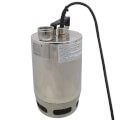

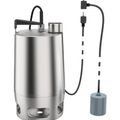

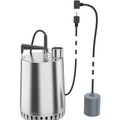
Grundfos Effluent Pumps are submersible units built to move drainage water, surface water, and wastewater carrying small solids or fibrous debris. The EF series uses a semi-open, single-vane impeller with a free passage of 30 millimeters, letting the pump pass material that would clog a standard sump pump without binding the impeller. Horsepower options start at 1/3 HP on models like the EF33 and scale up for larger pits and longer runs, with cord length and voltage matched to the installation. AUTOADAPT versions build a controller, level sensors, and motor protection into the pump housing itself, so the unit reads pit conditions and adjusts its own operation instead of depending on a separate float switch and control panel. Septic system installers, remodelers replacing failed sump setups, and plumbers handling laundry gray water all rely on this line when a job calls for solids handling beyond what a basic sump pump offers. Fewer external components on the AUTOADAPT models also means fewer parts that can fail in the pit.
Subcategories
- Standard EF Effluent Pumps: Standard EF pumps such as the EF33 (1/3 HP, 115 volt) and EF75 (3/4 HP, 230 volt) pair with a separate float switch or control panel rather than an onboard controller. Plumbers use them in septic effluent tanks, sump basins, and laundry gray water systems where a control panel is already installed or being added as part of the same job. The straightforward setup keeps replacement simple when swapping out a failed pump in an existing pit.
- EF AUTOADAPT Pumps: EF AUTOADAPT pumps build a controller, level sensors, and motor protection into the pump housing itself, so no external control panel is needed. Installers connect the pump directly to the power supply and it adjusts its own start and stop points to match conditions in the pit. Remodelers and service technicians reach for this version on jobs where panel space is tight or where reducing external wiring cuts down on future failure points.
- Semi-Open Impeller Design: The EF series uses a semi-open, single-vane impeller with a free passage of 30 millimeters, built to pass small solids and fibrous material without binding. Septic and gray water applications routinely carry debris that would jam a standard sump pump impeller, so this design matters when the pit isn't limited to clear water. Contractors specify this impeller style over a basic sump pump whenever the application includes effluent rather than clean drainage alone.
- Cord Length and Voltage Configurations: EF pumps ship with cord lengths and voltage ratings matched to specific models, such as the EF33's 10 foot cord at 115 volts and the EF75's 20 foot cord at 230 volts. Electricians match these ratings to the distance between the pit and the power source and to the service already run to the location. Getting the voltage and cord length right during selection avoids a mismatched install that requires rewiring after the pump is already set.
Buying Guide
Start with the type of solids the pit needs to handle. Grundfos Effluent Pumps use a semi-open impeller designed for small solids and fibrous debris, so confirm the application involves effluent or gray water rather than pure clear water before ruling out a simpler sump pump. Horsepower and head requirements come next: match the pump's rated horsepower to the vertical lift and pipe run length the job requires, since undersizing leads to a pump that runs constantly and oversizing wastes energy and shortens cycle life. Decide between a standard pump paired with a separate float switch and control panel or an AUTOADAPT version with the controller and sensors built into the housing. AUTOADAPT suits jobs where panel space is limited or where reducing external components lowers the odds of a callback tied to a failed float switch. Voltage and cord length matter just as much as horsepower. Check the electrical service already run to the pit location and confirm the cord reaches the panel or outlet without a splice, since models like the EF33 and EF75 ship with fixed cord lengths tied to their voltage rating. Finally, consider access for future service. A pump installed in a deep basin or a location with limited clearance benefits from the AUTOADAPT design's reduced wiring, since fewer components in the pit means less to disconnect during a future pump swap.
Frequently Asked Questions
What's the difference between a standard EF pump and an AUTOADAPT model?
Standard EF pumps rely on a separate float switch and control panel to start and stop, while AUTOADAPT models build the controller, level sensors, and motor protection into the pump housing itself. AUTOADAPT versions read pit conditions directly and adjust their own operation, cutting down on external wiring and separate panel components. Either style still uses the same semi-open impeller design suited to effluent and gray water applications.
Can a Grundfos effluent pump handle solids?
Grundfos Effluent Pumps use a semi-open, single-vane impeller with a free passage of 30 millimeters, letting them pass small solids and fibrous debris. The design makes the EF series suitable for septic effluent, gray water, and other applications with impurities beyond what a basic sump pump is built to handle. Straight clear water applications with no solids can typically use a simpler sump pump instead.
What horsepower options are available in the EF series?
The EF series starts at 1/3 HP on models like the EF33 and scales up through larger frames for bigger pits and longer discharge runs. Horsepower selection should match the vertical lift and pipe length the job requires, since an undersized motor runs constantly and an oversized one wastes energy. Voltage and cord length vary by model to match the horsepower rating.
What voltage and cord length come with these pumps?
Voltage and cord length are tied to the specific model. The EF33, for example, ships with a 10 foot cord at 115 volts, while the EF75 ships with a 20 foot cord at 230 volts. Confirming the electrical service and pit depth against these specifications before ordering avoids a mismatched install.
Where are Grundfos effluent pumps typically installed?
Septic system effluent tanks, sump basins handling wastewater with small solids, and laundry gray water systems are common installation points for this line. Remodelers replacing a failed pump in an existing pit also reach for the EF series when the application involves more than clear water. AUTOADAPT versions suit installs where reducing external control panel wiring is a priority.
