




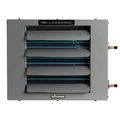
HCH Series Lodronic Low-Temperature Heaters

 --%3E %3Csvg version='1.1' id='No-RB' xmlns='http://www.w3.org/2000/svg' xmlns:xlink='http://www.w3.org/1999/xlink' x='0px' y='0px' viewBox='0 0 100 100' enable-background='new 0 0 100 100' xml:space='preserve'%3E %3Cpath fill='%23CECECE' d='M79.44,0.95H20.56C9.78,0.95,0.95,9.78,0.95,20.56v58.87c0,10.79,8.82,19.61,19.61,19.61h58.87 c10.79,0,19.61-8.83,19.61-19.61V20.56C99.05,9.78,90.22,0.95,79.44,0.95z M65.38,58.24l9.38,29.58L49.69,69.78L24.5,87.82 l9.34-29.6L8.8,39.6l30.73-0.17c0,0,6.98-19.61,10-28.93c0.54,1.36,9.88,29.1,9.88,29.1H91.2L65.38,58.24z'/%3E %3C/svg%3E)

 --%3E %3Csvg version='1.1' id='Fill' xmlns='http://www.w3.org/2000/svg' xmlns:xlink='http://www.w3.org/1999/xlink' x='0px' y='0px' viewBox='0 0 100 100' enable-background='new 0 0 100 100' xml:space='preserve'%3E %3Cpath fill='%23F15C02' d='M79.44,0.95H20.56C9.78,0.95,0.95,9.78,0.95,20.56v58.87c0,10.79,8.82,19.61,19.61,19.61h58.87 c10.79,0,19.61-8.83,19.61-19.61V20.56C99.05,9.78,90.22,0.95,79.44,0.95z M65.38,58.24l9.38,29.58L49.69,69.78L24.5,87.82 l9.34-29.6L8.8,39.6l30.73-0.17c0,0,6.98-19.61,10-28.93c0.54,1.36,9.88,29.1,9.88,29.1H91.2L65.38,58.24z'/%3E %3C/svg%3E)
 --%3E %3Csvg version='1.1' id='With-RB' xmlns='http://www.w3.org/2000/svg' xmlns:xlink='http://www.w3.org/1999/xlink' x='0px' y='0px' viewBox='0 0 100 100' enable-background='new 0 0 100 100' xml:space='preserve'%3E %3Cpath fill='%23FBC8B4' d='M79.44,0.95H20.56C9.78,0.95,0.95,9.78,0.95,20.56v58.87c0,10.79,8.82,19.61,19.61,19.61h58.87 c10.79,0,19.61-8.83,19.61-19.61V20.56C99.05,9.78,90.22,0.95,79.44,0.95z M65.38,58.24l9.38,29.58L49.69,69.78L24.5,87.82 l9.34-29.6L8.8,39.6l30.73-0.17c0,0,6.98-19.61,10-28.93c0.54,1.36,9.88,29.1,9.88,29.1H91.2L65.38,58.24z'/%3E %3C/svg%3E)

HCH Series Lodronic Low-Temperature Heaters are commercial heating units built to deliver a lower discharge air temperature than a standard unit heater, spreading warm air across a space more gradually instead of concentrating heat near the unit itself. This approach suits spaces where a high discharge temperature could be uncomfortable for occupants, stressful for livestock, or damaging to stored materials sitting close to the equipment. The HCH series moves air across its heat exchanger at a more moderate temperature rise, which helps distribute heat more evenly through a room rather than creating hot spots directly beneath the unit. Facilities such as warehouses, workshops, and agricultural buildings turn to low-temperature heaters like these when steady background heat matters more than rapid spot heating.
Subcategories
- Standard HCH Units: Standard units cover the core capacity range of the HCH series, sized for typical workshop, warehouse, or agricultural spaces that need steady low-temperature heat across an open area.
- High-Capacity HCH Units: High-capacity units serve larger open spaces or buildings with higher heat loss, moving a greater volume of tempered air to maintain even coverage across a bigger footprint.
- Parts and Accessories: This group covers mounting hardware, controls, and replacement components for HCH units already installed, letting a technician service or adjust an existing heater without replacing the whole unit.
Buying Guide
Match the heater's capacity to the size and heat loss of the space it will serve, since an undersized HCH Series Lodronic Low-Temperature Heater will struggle to maintain even coverage in a larger building during cold weather.
Consider mounting height and placement carefully, since low-temperature heaters are designed to spread heat gradually across a space rather than blast warm air toward a single point.
Check that the space's use case actually calls for a lower discharge temperature, such as an agricultural building housing livestock or a warehouse storing heat-sensitive materials near the equipment.
Plan for routine maintenance access to the unit, since heat exchangers and controls on commercial unit heaters need periodic inspection to keep performing as expected over the life of the equipment.
Frequently Asked Questions
What makes a low-temperature heater different from a standard unit heater?
A low-temperature heater delivers a lower discharge air temperature and spreads it more gradually across a space, instead of concentrating a higher-temperature airstream near the unit the way a standard unit heater does.
Where are HCH Series heaters typically installed?
They're commonly used in warehouses, workshops, and agricultural buildings where steady background heat across an open space matters more than rapid spot heating.
Why would a building need a lower discharge temperature instead of standard unit heat?
A lower discharge temperature avoids hot spots that could be uncomfortable for occupants, stressful for livestock, or damaging to materials stored close to the heater.
How do I choose between a standard and high-capacity HCH unit?
Compare the size and heat loss of the space to the unit's rated capacity. Larger buildings or spaces with higher heat loss generally call for a high-capacity unit to maintain even coverage.
Are replacement parts available for HCH units already installed?
Yes, mounting hardware, controls, and other replacement components are available so a technician can service an existing unit without replacing the whole heater.
