




HVAC Tools
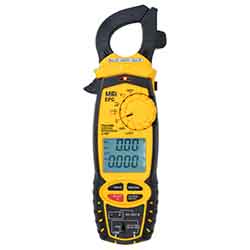
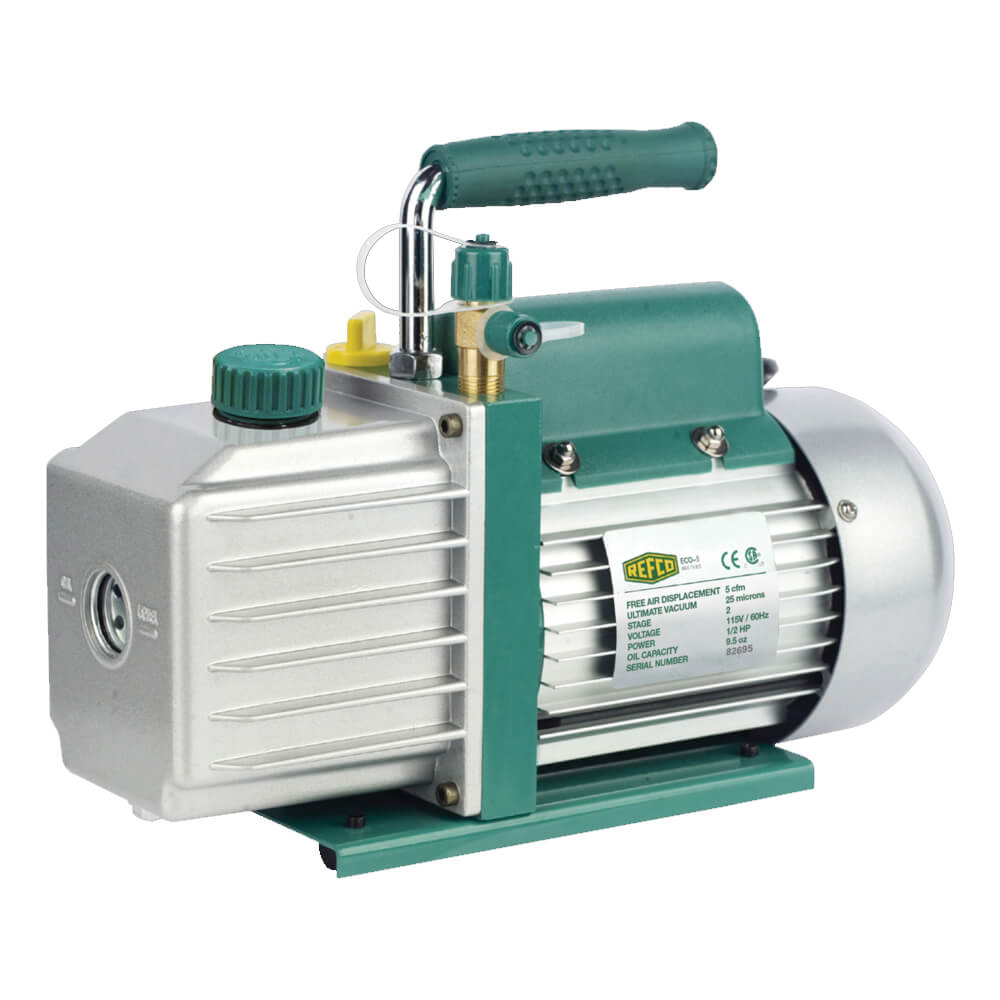
HVAC tools are diagnostic instruments and hand tools. Technicians use them to install, service, and troubleshoot heating, cooling, and refrigeration equipment. The category includes vacuum pumps, manifold gauges, leak detectors, and specialty tools from brands like Yellow Jacket, Fieldpiece, and Testo. It also includes general test instruments that technicians rely on for electrical and airflow diagnostics. These tools are used on nearly every service call, from a routine refrigerant charge check to a full system installation.
Having the right tool for the job affects both diagnostic accuracy and how quickly a technician can complete a service call. A vacuum pump that's undersized for the system being evacuated takes longer to pull a proper vacuum, while an uncalibrated manifold gauge can lead to an incorrect refrigerant charge. Because HVAC diagnostics increasingly rely on precise digital readings, investing in reliable, well-maintained tools pays off in fewer callbacks and more accurate repairs.











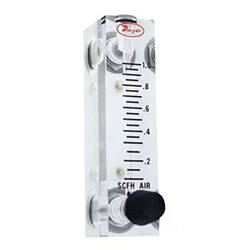

Subcategories
- AccuTools Tools: AccuTools Tools cover digital manifold gauges and refrigerant management instruments. They are designed to streamline charging and diagnostic work on HVAC and refrigeration systems. Technicians use these tools to track refrigerant pressure and temperature readings digitally rather than relying on manual gauge readings. The line is aimed at technicians who want faster, more precise charging on modern refrigerant systems.
- Appion Tools: Appion Tools specializes in refrigerant recovery equipment, including recovery machines and vacuum pumps used to safely remove refrigerant from a system before service or disposal. EPA regulations require refrigerant recovery rather than release into the atmosphere, making this equipment a standard part of any technician's toolkit. Appion's recovery machines are widely used across both residential and commercial refrigeration work.
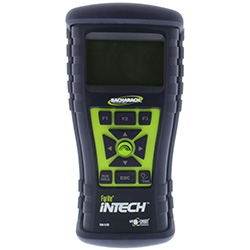
- Bacharach HVAC Tools: Bacharach HVAC Tools include combustion analyzers and gas leak detectors. Technicians use them to test furnace and boiler efficiency and safety. Combustion analysis is a standard part of furnace and boiler maintenance, checking that a unit is burning fuel efficiently and safely venting exhaust gases. Technicians servicing gas-fired equipment rely on these instruments to verify proper combustion before signing off on a job.
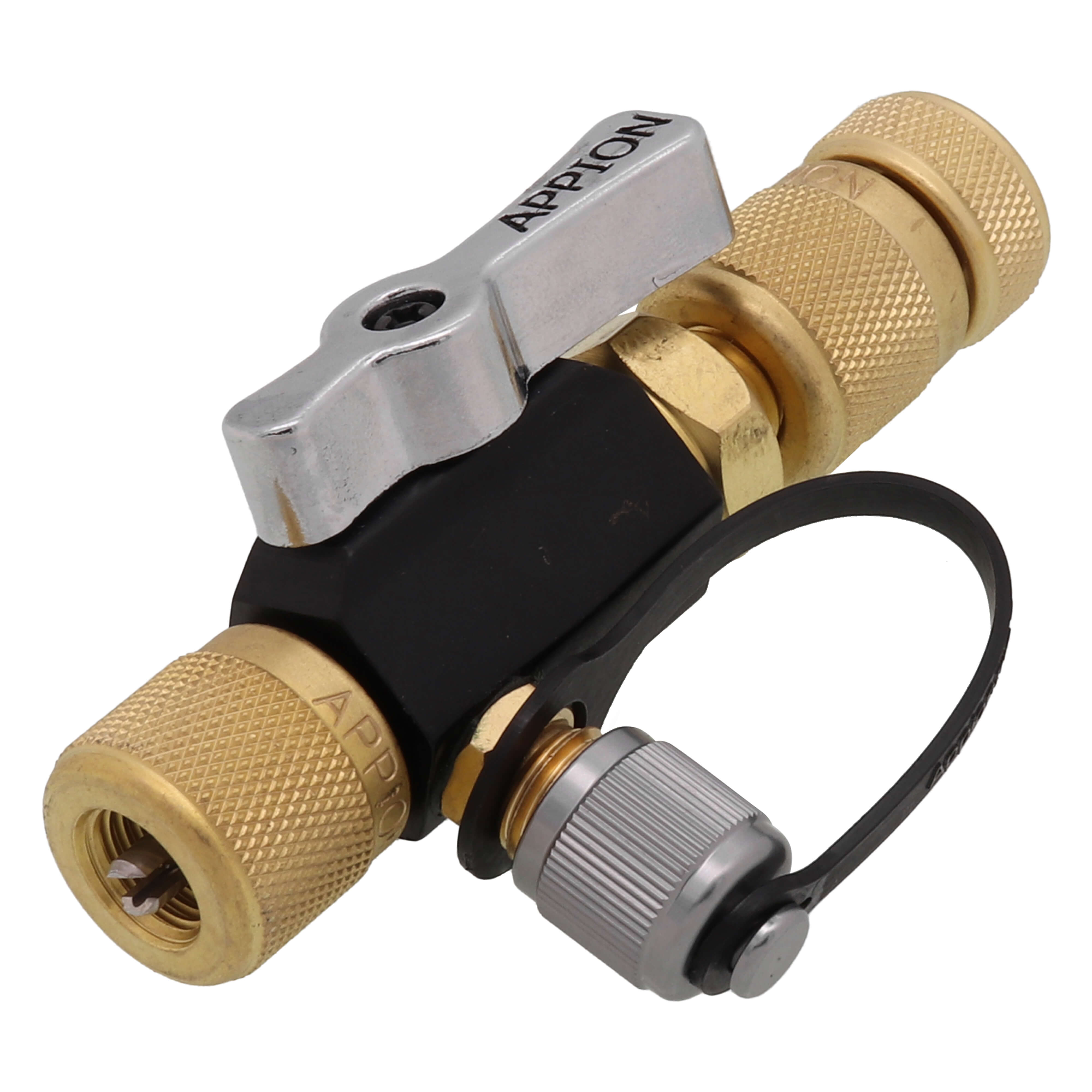
- C&D Valve Tools: C&D Valve Tools cover valve core removal tools and related accessories used during refrigerant recovery and system evacuation. Removing the valve core allows for faster evacuation and recovery since it removes a restriction point in the refrigerant line. These tools are a common addition to a technician's refrigerant service kit alongside recovery machines and vacuum pumps.
- CPS HVAC Tools: CPS HVAC Tools offers a broad line of manifold gauges, vacuum pumps, and leak detectors for refrigerant system service. The brand is a common choice for technicians who want a full equipment lineup from a single manufacturer, simplifying calibration and parts compatibility across their toolkit. CPS instruments are used across residential, commercial, and automotive HVAC service.
- Diversitech HVAC Tools: Diversitech HVAC Tools covers a range of installation and service accessories, including tubing benders, flaring tools, and other hand tools used during refrigerant line installation. These tools support the mechanical side of HVAC installation work that happens alongside electrical and refrigerant tasks. Technicians use them regularly when running new line sets for mini-split or central AC installations.
Buying Guide
Match tool capacity to the scale of work being done. A vacuum pump or recovery machine sized for residential split systems may not keep pace with larger commercial equipment. Technicians working across both residential and commercial accounts should size their equipment for the largest systems they regularly service.
Prioritize digital instruments for diagnostic accuracy. Digital manifold gauges and combustion analyzers reduce the chance of misreading a value compared to analog gauges. This matters when a refrigerant charge or combustion setting needs to be precise. HVAC Tools includes both analog and digital options depending on budget and preference.
Factor in EPA compliance requirements for refrigerant handling equipment. Recovery machines and related tools need to meet current EPA standards for refrigerant handling. Technicians should confirm a tool's compliance status before relying on it for regulated refrigerant work.
Consider calibration and maintenance needs before purchase. Combustion analyzers and some gauges require periodic calibration to stay accurate, so factoring in that ongoing cost and downtime is worth doing when comparing tool options.
Build a toolkit around the most frequent service calls. Technicians focused mainly on routine maintenance and charge checks need a different core toolkit than those doing frequent new installations or complex diagnostics. Matching tool purchases to the actual mix of service calls avoids over-investing in rarely used equipment.
Frequently Asked Questions
Why is refrigerant recovery required before servicing a system?
EPA regulations prohibit releasing refrigerant into the atmosphere, so technicians must recover it into an approved container before opening a system for repair. Recovery equipment ranges from basic to high-capacity units depending on the size of systems being serviced.
How often should a vacuum pump's oil be changed?
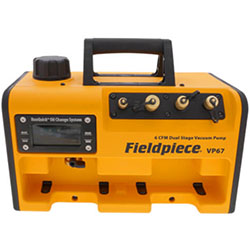
Vacuum pump oil should generally be changed after every evacuation job, or more frequently if the system being evacuated had a significant moisture or contamination issue. Dirty oil reduces the pump's ability to pull a deep vacuum.
What's the benefit of a digital manifold gauge over an analog one?
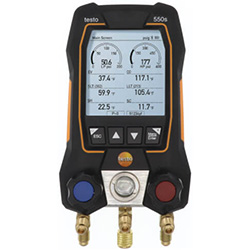
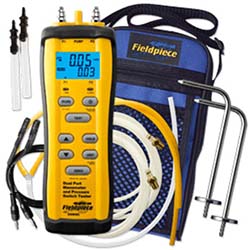
Digital manifold gauges typically offer more precise pressure and temperature readings. Many models calculate superheat and subcooling automatically. This saves time compared to manual calculations with an analog gauge and separate thermometer.
Do combustion analyzers need regular calibration?
Yes. Combustion analyzers require periodic calibration to stay accurate, since the sensors degrade with use over time. Skipping calibration risks an inaccurate efficiency or safety reading on a furnace or boiler inspection.
What tools are essential for a basic mini-split installation?
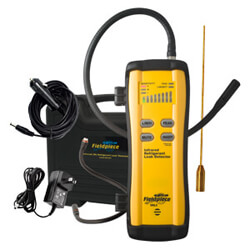
A vacuum pump, manifold gauge set, and tubing flaring or expander tool cover the core needs for most mini-split line set installations. A leak detector is also useful to verify connections before charging the system.
Resources
Subcategories
- AccuTools Tools: AccuTools Tools cover digital manifold gauges and refrigerant management instruments. They are designed to streamline charging and diagnostic work on HVAC and refrigeration systems. Technicians use these tools to track refrigerant pressure and temperature readings digitally rather than relying on manual gauge readings. The line is aimed at technicians who want faster, more precise charging on modern refrigerant systems.
- Appion Tools: Appion Tools specializes in refrigerant recovery equipment, including recovery machines and vacuum pumps used to safely remove refrigerant from a system before service or disposal. EPA regulations require refrigerant recovery rather than release into the atmosphere, making this equipment a standard part of any technician's toolkit. Appion's recovery machines are widely used across both residential and commercial refrigeration work.
- Bacharach HVAC Tools: Bacharach HVAC Tools include combustion analyzers and gas leak detectors. Technicians use them to test furnace and boiler efficiency and safety. Combustion analysis is a standard part of furnace and boiler maintenance, checking that a unit is burning fuel efficiently and safely venting exhaust gases. Technicians servicing gas-fired equipment rely on these instruments to verify proper combustion before signing off on a job.
- C&D Valve Tools: C&D Valve Tools cover valve core removal tools and related accessories used during refrigerant recovery and system evacuation. Removing the valve core allows for faster evacuation and recovery since it removes a restriction point in the refrigerant line. These tools are a common addition to a technician's refrigerant service kit alongside recovery machines and vacuum pumps.
- CPS HVAC Tools: CPS HVAC Tools offers a broad line of manifold gauges, vacuum pumps, and leak detectors for refrigerant system service. The brand is a common choice for technicians who want a full equipment lineup from a single manufacturer, simplifying calibration and parts compatibility across their toolkit. CPS instruments are used across residential, commercial, and automotive HVAC service.
- Diversitech HVAC Tools: Diversitech HVAC Tools covers a range of installation and service accessories, including tubing benders, flaring tools, and other hand tools used during refrigerant line installation. These tools support the mechanical side of HVAC installation work that happens alongside electrical and refrigerant tasks. Technicians use them regularly when running new line sets for mini-split or central AC installations.
Buying Guide
Match tool capacity to the scale of work being done. A vacuum pump or recovery machine sized for residential split systems may not keep pace with larger commercial equipment. Technicians working across both residential and commercial accounts should size their equipment for the largest systems they regularly service.
Prioritize digital instruments for diagnostic accuracy. Digital manifold gauges and combustion analyzers reduce the chance of misreading a value compared to analog gauges. This matters when a refrigerant charge or combustion setting needs to be precise. HVAC Tools includes both analog and digital options depending on budget and preference.
Factor in EPA compliance requirements for refrigerant handling equipment. Recovery machines and related tools need to meet current EPA standards for refrigerant handling. Technicians should confirm a tool's compliance status before relying on it for regulated refrigerant work.
Consider calibration and maintenance needs before purchase. Combustion analyzers and some gauges require periodic calibration to stay accurate, so factoring in that ongoing cost and downtime is worth doing when comparing tool options.
Build a toolkit around the most frequent service calls. Technicians focused mainly on routine maintenance and charge checks need a different core toolkit than those doing frequent new installations or complex diagnostics. Matching tool purchases to the actual mix of service calls avoids over-investing in rarely used equipment.
Frequently Asked Questions
Why is refrigerant recovery required before servicing a system?
EPA regulations prohibit releasing refrigerant into the atmosphere, so technicians must recover it into an approved container before opening a system for repair. Recovery equipment ranges from basic to high-capacity units depending on the size of systems being serviced.
How often should a vacuum pump's oil be changed?
Vacuum pump oil should generally be changed after every evacuation job, or more frequently if the system being evacuated had a significant moisture or contamination issue. Dirty oil reduces the pump's ability to pull a deep vacuum.
What's the benefit of a digital manifold gauge over an analog one?
Digital manifold gauges typically offer more precise pressure and temperature readings. Many models calculate superheat and subcooling automatically. This saves time compared to manual calculations with an analog gauge and separate thermometer.
Do combustion analyzers need regular calibration?
Yes. Combustion analyzers require periodic calibration to stay accurate, since the sensors degrade with use over time. Skipping calibration risks an inaccurate efficiency or safety reading on a furnace or boiler inspection.
What tools are essential for a basic mini-split installation?
A vacuum pump, manifold gauge set, and tubing flaring or expander tool cover the core needs for most mini-split line set installations. A leak detector is also useful to verify connections before charging the system.