




Filters
SORT
Product Availability –
Brand –
Product Type –
Review Score –
 --%3E %3Csvg version='1.1' id='Fill' xmlns='http://www.w3.org/2000/svg' xmlns:xlink='http://www.w3.org/1999/xlink' x='0px' y='0px' viewBox='0 0 100 100' enable-background='new 0 0 100 100' xml:space='preserve'%3E %3Cpath fill='%23F15C02' d='M79.44,0.95H20.56C9.78,0.95,0.95,9.78,0.95,20.56v58.87c0,10.79,8.82,19.61,19.61,19.61h58.87 c10.79,0,19.61-8.83,19.61-19.61V20.56C99.05,9.78,90.22,0.95,79.44,0.95z M65.38,58.24l9.38,29.58L49.69,69.78L24.5,87.82 l9.34-29.6L8.8,39.6l30.73-0.17c0,0,6.98-19.61,10-28.93c0.54,1.36,9.88,29.1,9.88,29.1H91.2L65.38,58.24z'/%3E %3C/svg%3E)
 --%3E %3Csvg version='1.1' id='With-RB' xmlns='http://www.w3.org/2000/svg' xmlns:xlink='http://www.w3.org/1999/xlink' x='0px' y='0px' viewBox='0 0 100 100' enable-background='new 0 0 100 100' xml:space='preserve'%3E %3Cpath fill='%23FBC8B4' d='M79.44,0.95H20.56C9.78,0.95,0.95,9.78,0.95,20.56v58.87c0,10.79,8.82,19.61,19.61,19.61h58.87 c10.79,0,19.61-8.83,19.61-19.61V20.56C99.05,9.78,90.22,0.95,79.44,0.95z M65.38,58.24l9.38,29.58L49.69,69.78L24.5,87.82 l9.34-29.6L8.8,39.6l30.73-0.17c0,0,6.98-19.61,10-28.93c0.54,1.36,9.88,29.1,9.88,29.1H91.2L65.38,58.24z'/%3E %3C/svg%3E)
Price Range –
Motor Maintenance Tools


 --%3E %3Csvg version='1.1' id='Half' xmlns='http://www.w3.org/2000/svg' xmlns:xlink='http://www.w3.org/1999/xlink' x='0px' y='0px' viewBox='0 0 100 100' enable-background='new 0 0 100 100' xml:space='preserve'%3E %3Cg%3E %3Cpath fill='%23F15C02' d='M30.05,70.23l3.79-12.01L8.8,39.6l30.73-0.17c0,0,6.98-19.61,10-28.93c0.54,1.36,9.88,29.1,9.88,29.1h1.58 L93.71,7.18c-3.58-3.82-8.66-6.23-14.28-6.23H20.56C9.78,0.95,0.95,9.78,0.95,20.56v58.87c0,5.41,2.22,10.32,5.79,13.88 L30.05,70.23z'/%3E %3C/g%3E %3Cpath fill='%23FBC8B4' d='M93.71,7.18L60.98,39.6H91.2L65.38,58.24l9.38,29.58L49.69,69.78L24.5,87.82l5.55-17.59L6.75,93.32 c3.55,3.54,8.44,5.73,13.82,5.73h58.87c10.79,0,19.61-8.83,19.61-19.61V20.56C99.05,15.4,97.01,10.69,93.71,7.18z'/%3E %3C/svg%3E)


 --%3E %3Csvg version='1.1' id='No-RB' xmlns='http://www.w3.org/2000/svg' xmlns:xlink='http://www.w3.org/1999/xlink' x='0px' y='0px' viewBox='0 0 100 100' enable-background='new 0 0 100 100' xml:space='preserve'%3E %3Cpath fill='%23CECECE' d='M79.44,0.95H20.56C9.78,0.95,0.95,9.78,0.95,20.56v58.87c0,10.79,8.82,19.61,19.61,19.61h58.87 c10.79,0,19.61-8.83,19.61-19.61V20.56C99.05,9.78,90.22,0.95,79.44,0.95z M65.38,58.24l9.38,29.58L49.69,69.78L24.5,87.82 l9.34-29.6L8.8,39.6l30.73-0.17c0,0,6.98-19.61,10-28.93c0.54,1.36,9.88,29.1,9.88,29.1H91.2L65.38,58.24z'/%3E %3C/svg%3E)



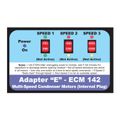
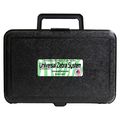

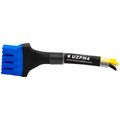
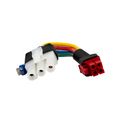


Motor Maintenance Tools are the hand tools and testing equipment HVAC and electrical technicians use to service, diagnose, and extend the working life of blower, fan, pump, and compressor motors found in residential and commercial equipment. Common tasks include pulling and reinstalling pulleys, checking bearing wear, testing winding resistance and insulation integrity, and lubricating sealed or open bearings during routine maintenance visits.
Keeping a dedicated set of motor maintenance tools on the truck lets a technician diagnose a motor problem on the first visit instead of guessing at a replacement, which cuts down on unnecessary parts returns and repeat trips.
Subcategories
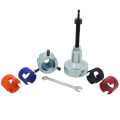
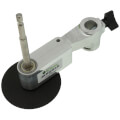
- Pulley and Bearing Pullers: These tools remove pressed-on pulleys, bearings, and couplings from a motor shaft without damaging the shaft or housing. Technicians use them during motor replacement or bearing service on blower and fan assemblies.
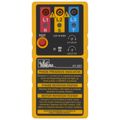
- Electrical Testing Meters: Multimeters and insulation resistance testers check a motor's winding continuity, resistance, and insulation integrity to confirm whether a motor has failed electrically. These tools help technicians distinguish between a motor fault and a wiring or control issue.
- Motor Lubrication Supplies: Oil and grease formulated for electric motor bearings keep older sleeve-bearing and sealed-bearing motors running smoothly between service intervals. Using the correct lubrication type for the bearing design helps avoid premature bearing wear.
- Alignment Tools: Shaft and pulley alignment tools help technicians confirm a motor and driven load are properly aligned after installation or belt replacement, which reduces vibration and belt wear over time.
Buying Guide
Building out a set of Motor Maintenance Tools starts with the tasks a technician handles most often. A service tech focused on routine maintenance calls might prioritize lubrication supplies and basic electrical meters, while someone doing more motor replacements benefits from investing in quality pulley and bearing pullers.
For electrical testing tools, look for a meter that can measure both resistance and insulation integrity, since these two tests together give a clearer picture of whether a motor winding has failed or is simply drawing high current from a mechanical bind.
Pullers should be sized to match the range of shaft diameters and pulley bore sizes commonly encountered in the field. A puller kit with interchangeable jaws or arms offers more flexibility than a single fixed-size tool.
When choosing lubrication products, confirm compatibility with the bearing type on the motors being serviced, since sleeve bearings and sealed ball bearings often call for different lubricants and application methods.
Durability matters for tools that see daily use on a service truck. Tools built with hardened steel components and corrosion-resistant coatings tend to hold up better than lighter-duty alternatives under repeated field use.
Frequently Asked Questions
What tools do I need to test if a motor has failed electrically?
A multimeter to check winding resistance and continuity, along with an insulation resistance tester (megohmmeter) to check for insulation breakdown, covers most electrical motor diagnostics performed in the field.
How do I remove a pulley without damaging the motor shaft?
A proper bearing or pulley puller applies even pulling force through the pulley's hub rather than the shaft itself, which prevents the shaft from being bent, scored, or otherwise damaged during removal.
Do all motors use the same type of lubrication?
No. Sleeve-bearing motors typically require lightweight oil applied at designated oil ports, while sealed or open ball-bearing motors use grease, and some sealed bearings aren't designed to be re-lubricated at all.
How often should motor bearings be lubricated?
Lubrication intervals vary by motor design, duty cycle, and manufacturer recommendation, so checking the motor's nameplate or manufacturer documentation is the best way to determine the correct schedule.
What causes premature motor bearing failure?
Common causes include improper or insufficient lubrication, misalignment with the driven load, contamination from dirt or moisture, and running a motor beyond its rated duty cycle.
