




Filters
SORT
Product Availability –
Brand –
Length (Inches) –
Weight –
Review Score –
 --%3E %3Csvg version='1.1' id='Fill' xmlns='http://www.w3.org/2000/svg' xmlns:xlink='http://www.w3.org/1999/xlink' x='0px' y='0px' viewBox='0 0 100 100' enable-background='new 0 0 100 100' xml:space='preserve'%3E %3Cpath fill='%23F15C02' d='M79.44,0.95H20.56C9.78,0.95,0.95,9.78,0.95,20.56v58.87c0,10.79,8.82,19.61,19.61,19.61h58.87 c10.79,0,19.61-8.83,19.61-19.61V20.56C99.05,9.78,90.22,0.95,79.44,0.95z M65.38,58.24l9.38,29.58L49.69,69.78L24.5,87.82 l9.34-29.6L8.8,39.6l30.73-0.17c0,0,6.98-19.61,10-28.93c0.54,1.36,9.88,29.1,9.88,29.1H91.2L65.38,58.24z'/%3E %3C/svg%3E)
Price Range –
Hammers


 --%3E %3Csvg version='1.1' id='No-RB' xmlns='http://www.w3.org/2000/svg' xmlns:xlink='http://www.w3.org/1999/xlink' x='0px' y='0px' viewBox='0 0 100 100' enable-background='new 0 0 100 100' xml:space='preserve'%3E %3Cpath fill='%23CECECE' d='M79.44,0.95H20.56C9.78,0.95,0.95,9.78,0.95,20.56v58.87c0,10.79,8.82,19.61,19.61,19.61h58.87 c10.79,0,19.61-8.83,19.61-19.61V20.56C99.05,9.78,90.22,0.95,79.44,0.95z M65.38,58.24l9.38,29.58L49.69,69.78L24.5,87.82 l9.34-29.6L8.8,39.6l30.73-0.17c0,0,6.98-19.61,10-28.93c0.54,1.36,9.88,29.1,9.88,29.1H91.2L65.38,58.24z'/%3E %3C/svg%3E)
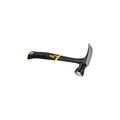
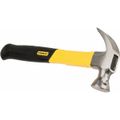
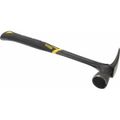








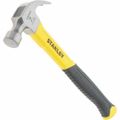


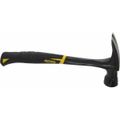
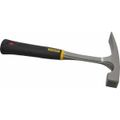
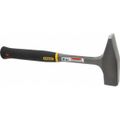
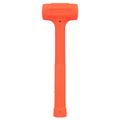
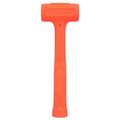
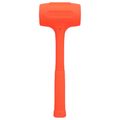
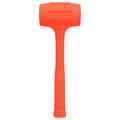
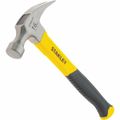

Hammers are hand tools built around a weighted head and handle, and the category covers everything from a lightweight claw hammer for trim work to a heavy framing hammer for driving large nails into dimensional lumber. Head weight is the main spec that separates one type from another: Estwing's rip claw hammers come in 16 and 20 oz head weights, while its milled face framing hammer steps up to 21 and 23 oz for more driving force per swing. Handle material also affects feel and vibration transfer, with options including hickory, fiberglass, and carbon fiber depending on the model. Because a hammer that is too light for the job takes more swings to drive a fastener, and one that is too heavy causes fatigue over a full day, matching head weight and handle type to the actual work reduces strain and improves accuracy on the job site.
Subcategories
- Claw Hammers: Claw hammers pair a flat striking face with a curved claw for pulling nails, making them the standard choice for trim carpentry, punch-list work, and general repairs. Estwing's rip claw hammers come in 16 and 20 oz head weights, giving installers a lighter option for finish work and a heavier option for general framing touch-ups. The curved claw design gives more leverage for pulling nails compared to the straighter claw found on framing hammers. Trim carpenters and punch-list technicians typically reach for the lighter end of this weight range to reduce fatigue during repetitive nailing.
- Framing Hammers: Framing hammers step up in head weight and often add a milled or waffle face for better grip on nail heads during rough framing work. Estwing's milled face framing hammer comes in 21 and 23 oz head weights, giving framers more driving force per swing than a standard claw hammer. The straighter claw on a framing hammer trades nail-pulling leverage for a design better suited to prying and demolition work. Because framing work involves driving large common nails into dimensional lumber, the added head weight reduces the number of swings needed per nail.
- Ball Peen Hammers: Ball peen hammers pair a flat striking face with a rounded peen face used for metalworking tasks like shaping rivets, striking punches, and closing chisels. Estwing offers ball peen hammers in 12, 16, and 24 oz head weights, covering both precision metalwork and heavier striking tasks. Mechanics and metal fabricators use this type instead of a claw hammer because the rounded face will not mar work the way a claw hammer's flat face can. Choosing the correct weight depends on the size of the punch or rivet being struck, with lighter heads suited to fine adjustment work.
- Rubber Mallets: Rubber mallets use a soft striking face instead of steel, protecting a workpiece's surface when steel-to-steel contact would cause damage or leave marks. Estwing's rubber mallet comes with a 24 oz head and a hickory handle, giving it enough weight to seat materials like pavers, flooring, or cabinet panels without excessive force. Installers reach for a rubber mallet when working with finished surfaces, tile, or plastic components that a steel-faced hammer would crack or dent. Because the soft face absorbs some impact energy, rubber mallets require more swings than a steel hammer to achieve the same result on harder materials.
Buying Guide
Start by matching hammer type to the material being struck, since driving nails, pulling nails, shaping metal, and seating finished surfaces call for a different face and claw design. For general carpentry and finish work, a claw hammer in the 16 to 20 oz range, like Estwing's rip claw line, covers most nailing and nail-pulling tasks without adding unnecessary weight to a tool belt. Framing crews driving larger common nails into dimensional lumber benefit from the added head weight of a framing hammer, such as Estwing's milled face model at 21 to 23 oz, since more mass per swing means fewer swings per nail. Metalworkers striking punches, chisels, or rivets need a ball peen hammer instead of a claw hammer, since the rounded peen face handles metal-on-metal contact without damaging the work, and Estwing offers this type in 12, 16, and 24 oz head weights. When the work involves a finished surface, tile, or plastic component that a steel face would damage, a rubber mallet, like Estwing's 24 oz model, seats material without leaving a mark. Handle material factors into comfort and vibration transfer, with hickory, fiberglass, and carbon fiber options available across most Hammers in the lineup. Weight is the deciding factor within any type: heavier heads drive fasteners faster but tire an arm faster, while lighter heads reduce fatigue at the cost of extra strikes per fastener. Matching type first, then head weight, and finally handle material covers the practical decision points for most jobs.
Frequently Asked Questions
What's the difference between a claw hammer and a framing hammer?
A claw hammer typically weighs less, in the 16 to 20 oz range like Estwing's rip claw line, and has a curved claw built for pulling nails. A framing hammer steps up to 21 to 23 oz on models like Estwing's milled face design and trades the curved claw for a straighter one better suited to prying and demolition. General carpentry and finish work favor the lighter claw hammer, while rough framing benefits from the added mass of a framing hammer.
What head weight should I choose for a claw hammer?
Head weight depends on the balance between driving power and fatigue over a full day of use. Estwing's rip claw hammers come in 16 and 20 oz options, with the lighter weight suited to trim work and the heavier weight suited to general framing touch-ups. Heavier heads drive fasteners in fewer swings but tire an arm faster during repetitive nailing.
When should I use a ball peen hammer instead of a claw hammer?
A ball peen hammer belongs in the toolbox for metalworking tasks like striking punches, chisels, or rivets, since its rounded peen face handles metal-on-metal contact without damaging the work. A claw hammer's flat face and curved claw are built for wood and fasteners, not metal shaping. Estwing offers ball peen hammers in 12, 16, and 24 oz head weights, with lighter heads suited to precision work and heavier heads suited to general striking tasks.
Why use a rubber mallet instead of a standard hammer?
A rubber mallet uses a soft striking face instead of steel, which protects finished surfaces, tile, and plastic components from cracking or denting during installation. Estwing's rubber mallet comes with a 24 oz head and a hickory handle, giving it enough weight to seat material without excessive force. A standard steel hammer works faster on framing and fasteners but risks damaging softer or finished materials.
Does handle material make a real difference in a hammer's performance?
Handle material affects vibration transfer and overall feel during repeated use, with hickory, fiberglass, and carbon fiber each striking a different balance between weight and shock absorption. Estwing offers its hammer lines across multiple handle materials, letting a technician match feel to preference rather than being locked into one option per hammer type. Head weight and hammer type still matter more than handle material when matching a hammer to a specific job.
