




Filters
SORT
Product Availability –
Brand –
Review Score –
 --%3E %3Csvg version='1.1' id='Fill' xmlns='http://www.w3.org/2000/svg' xmlns:xlink='http://www.w3.org/1999/xlink' x='0px' y='0px' viewBox='0 0 100 100' enable-background='new 0 0 100 100' xml:space='preserve'%3E %3Cpath fill='%23F15C02' d='M79.44,0.95H20.56C9.78,0.95,0.95,9.78,0.95,20.56v58.87c0,10.79,8.82,19.61,19.61,19.61h58.87 c10.79,0,19.61-8.83,19.61-19.61V20.56C99.05,9.78,90.22,0.95,79.44,0.95z M65.38,58.24l9.38,29.58L49.69,69.78L24.5,87.82 l9.34-29.6L8.8,39.6l30.73-0.17c0,0,6.98-19.61,10-28.93c0.54,1.36,9.88,29.1,9.88,29.1H91.2L65.38,58.24z'/%3E %3C/svg%3E)
 --%3E %3Csvg version='1.1' id='With-RB' xmlns='http://www.w3.org/2000/svg' xmlns:xlink='http://www.w3.org/1999/xlink' x='0px' y='0px' viewBox='0 0 100 100' enable-background='new 0 0 100 100' xml:space='preserve'%3E %3Cpath fill='%23FBC8B4' d='M79.44,0.95H20.56C9.78,0.95,0.95,9.78,0.95,20.56v58.87c0,10.79,8.82,19.61,19.61,19.61h58.87 c10.79,0,19.61-8.83,19.61-19.61V20.56C99.05,9.78,90.22,0.95,79.44,0.95z M65.38,58.24l9.38,29.58L49.69,69.78L24.5,87.82 l9.34-29.6L8.8,39.6l30.73-0.17c0,0,6.98-19.61,10-28.93c0.54,1.36,9.88,29.1,9.88,29.1H91.2L65.38,58.24z'/%3E %3C/svg%3E)
Price Range –
Hot Surface Ignitors






 --%3E %3Csvg version='1.1' id='Half' xmlns='http://www.w3.org/2000/svg' xmlns:xlink='http://www.w3.org/1999/xlink' x='0px' y='0px' viewBox='0 0 100 100' enable-background='new 0 0 100 100' xml:space='preserve'%3E %3Cg%3E %3Cpath fill='%23F15C02' d='M30.05,70.23l3.79-12.01L8.8,39.6l30.73-0.17c0,0,6.98-19.61,10-28.93c0.54,1.36,9.88,29.1,9.88,29.1h1.58 L93.71,7.18c-3.58-3.82-8.66-6.23-14.28-6.23H20.56C9.78,0.95,0.95,9.78,0.95,20.56v58.87c0,5.41,2.22,10.32,5.79,13.88 L30.05,70.23z'/%3E %3C/g%3E %3Cpath fill='%23FBC8B4' d='M93.71,7.18L60.98,39.6H91.2L65.38,58.24l9.38,29.58L49.69,69.78L24.5,87.82l5.55-17.59L6.75,93.32 c3.55,3.54,8.44,5.73,13.82,5.73h58.87c10.79,0,19.61-8.83,19.61-19.61V20.56C99.05,15.4,97.01,10.69,93.71,7.18z'/%3E %3C/svg%3E)



 --%3E %3Csvg version='1.1' id='No-RB' xmlns='http://www.w3.org/2000/svg' xmlns:xlink='http://www.w3.org/1999/xlink' x='0px' y='0px' viewBox='0 0 100 100' enable-background='new 0 0 100 100' xml:space='preserve'%3E %3Cpath fill='%23CECECE' d='M79.44,0.95H20.56C9.78,0.95,0.95,9.78,0.95,20.56v58.87c0,10.79,8.82,19.61,19.61,19.61h58.87 c10.79,0,19.61-8.83,19.61-19.61V20.56C99.05,9.78,90.22,0.95,79.44,0.95z M65.38,58.24l9.38,29.58L49.69,69.78L24.5,87.82 l9.34-29.6L8.8,39.6l30.73-0.17c0,0,6.98-19.61,10-28.93c0.54,1.36,9.88,29.1,9.88,29.1H91.2L65.38,58.24z'/%3E %3C/svg%3E)
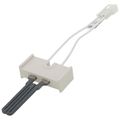
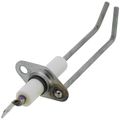
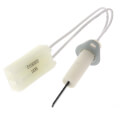
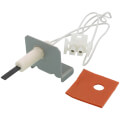
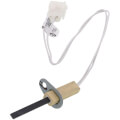
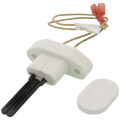
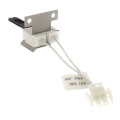
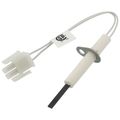

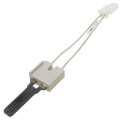
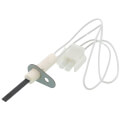
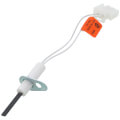

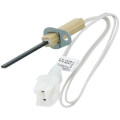
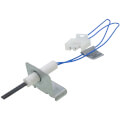
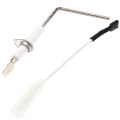
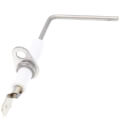
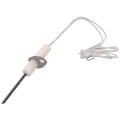

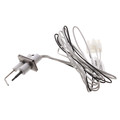
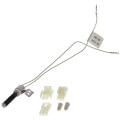

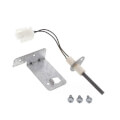
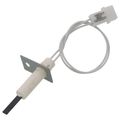
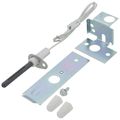
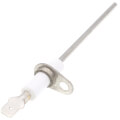
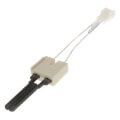
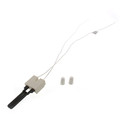
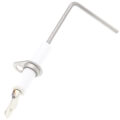
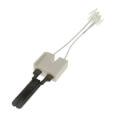
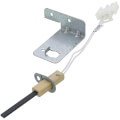
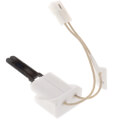
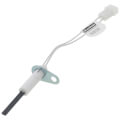
Hot Surface Ignitors are the electric components that replace a standing pilot light in modern gas furnaces, boilers, and water heaters, igniting the burner on each call for heat. Most residential ignition modules run on 120 Vac at 60 Hz and carry contact ratings suited to direct spark-to-gas ignition without a pilot flame. Manufacturers build these ignitors from either silicon carbide or silicon nitride, materials chosen for their ability to withstand repeated heating and cooling cycles without cracking. Silicon carbide ignitors, like the Resideo Q4100 series, are available in lead lengths from 4 in to 19-1/8 in to match a wide range of furnace cabinets. Silicon nitride ignitors, such as the White-Rodgers HotRod line, use a 15-1/2 in lead and reach full ignition temperature in as little as 17 seconds. Because the ignitor is often the first component to fail during a no-heat service call, this category lets technicians restore a system quickly with a part that matches the original voltage, bracket, and lead length.
Subcategories
- Silicon Carbide Ignitors: Silicon carbide ignitors are the original hot surface ignition design still found in many gas furnaces, boilers, and water heaters installed before silicon nitride became common. Techs use them as direct OEM replacements when the existing bracket and lead length need to match the original part exactly. The Resideo Q4100 series covers lead lengths from 4 in to 19-1/8 in, giving installers a range of options for older cabinet designs. Because silicon carbide is more brittle than silicon nitride, careful handling during installation matters to avoid cracking the element.
- Silicon Nitride Ignitors: Silicon nitride ignitors are the newer ignition standard, valued for faster warm-up and longer service life compared to silicon carbide designs. HVAC technicians reach for this type when upgrading an older carbide system or replacing a nitride ignitor that failed from normal wear. The White-Rodgers HotRod line reaches full ignition temperature in as little as 17 seconds using a 15-1/2 in lead. Because nitride elements resist thermal shock better than carbide, they tend to hold up longer in systems that cycle frequently.
- Universal Hot Surface Ignition Modules: Universal ignition modules combine the spark control circuitry with the mounting hardware needed to fit multiple furnace and boiler brands from one part number. Technicians stock these modules to cut down on truck inventory since one universal part can cover several OEM applications. The S8910U module operates at 120 Vac, 60 Hz, with a 5A contact rating and field-selectable ignition trial times. The flexibility makes the module a practical choice for service calls where the exact OEM part number is not on hand.
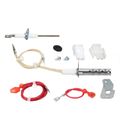
- Silicon Nitride Upgrade Kits: Silicon nitride upgrade kits let technicians convert an aging silicon carbide ignition system to the more durable nitride design without replacing the entire control board. Service contractors use these kits when a carbide ignitor keeps failing and a permanent nitride upgrade makes more sense than another like-for-like swap. The White-Rodgers 21D64-5PK ships as a pack of five, so a single order covers multiple service calls or truck stock replenishment. Kits like this one also cross-reference to legacy Honeywell Glowfly ignitors, simplifying parts lookup for older equipment.
Buying Guide
Start by identifying the ignitor material already installed, since silicon carbide and silicon nitride parts are not interchangeable without also checking mounting bracket compatibility. Pulling the old ignitor and reading the part number stamped on the base or bracket is the fastest way to confirm an exact match, but when that number is worn away, cross-reference the furnace or boiler model against a manufacturer compatibility chart instead. Voltage matters just as much as material: most residential units run on 120 Vac, though some commercial equipment uses different voltage windows, so confirming the rating on the control board avoids a mismatch that can damage the module. Lead length and bracket shape decide whether a part drops straight into the burner compartment or requires bending and rerouting wire, which adds labor time and risk of a loose connection. Hot Surface Ignitors that ship as universal or upgrade kits are worth stocking on the truck for calls where the OEM part is unknown or unclear, since one universal module or nitride upgrade kit often covers several brands. For furnaces and boilers that see heavy cycling, such as multi-family or commercial applications, choosing a silicon nitride ignitor over carbide can reduce how often a callback for a failed ignitor happens, since nitride elements tolerate thermal cycling better. Fit, voltage, and material compatibility, in that order, are the three checks that prevent a return trip for the wrong part.
Frequently Asked Questions
How do I know if a hot surface ignitor has failed?
A failed hot surface ignitor usually shows a visible crack in the ceramic body or measures infinite resistance on a multimeter test. Furnaces and boilers that fail to light after a normal ignition sequence, or that lock out on the first try, often point to this part. Replacing the ignitor with a matching voltage and lead length typically resolves the no-heat call.
What is the difference between silicon carbide and silicon nitride ignitors?
Silicon carbide ignitors were the original hot surface design and remain common in older furnaces and boilers, while silicon nitride ignitors reach ignition temperature faster and tend to resist cracking from thermal cycling. Silicon nitride versions, such as the White-Rodgers HotRod line, reach full ignition in as little as 17 seconds. Either material works as a replacement as long as voltage, bracket style, and lead length match the original part.
Can a universal ignition module replace a brand-specific ignitor?
Universal ignition modules, like the Resideo S8910U, are built to cover multiple OEM applications from one part number, including field-selectable trial counts and timing. Matching voltage and contact rating, such as 120 Vac at 60 Hz with a 5A rating, keeps the swap compatible with most residential systems. Technicians commonly stock a universal module to avoid carrying dozens of brand-specific parts.
Why do hot surface ignitors fail so often?
Repeated heating and cooling cycles stress the ceramic element every time a furnace or boiler calls for heat, and thermal cycling eventually causes cracking or resistance drift. Dust, moisture, and physical contact during filter changes or maintenance also shorten ignitor life. Silicon nitride designs tend to hold up longer under frequent cycling than older silicon carbide parts.
What should I check before ordering a replacement hot surface ignitor?
Pulling the old part and confirming its material, voltage, bracket shape, and lead length prevents ordering a mismatch. Silicon carbide and silicon nitride ignitors are not interchangeable without confirming the bracket still fits the burner compartment. Cross-referencing the furnace or boiler model number against a compatibility chart helps when the original part number is no longer legible.
