




LG Residential Water Heaters

 --%3E %3Csvg version='1.1' id='Fill' xmlns='http://www.w3.org/2000/svg' xmlns:xlink='http://www.w3.org/1999/xlink' x='0px' y='0px' viewBox='0 0 100 100' enable-background='new 0 0 100 100' xml:space='preserve'%3E %3Cpath fill='%23F15C02' d='M79.44,0.95H20.56C9.78,0.95,0.95,9.78,0.95,20.56v58.87c0,10.79,8.82,19.61,19.61,19.61h58.87 c10.79,0,19.61-8.83,19.61-19.61V20.56C99.05,9.78,90.22,0.95,79.44,0.95z M65.38,58.24l9.38,29.58L49.69,69.78L24.5,87.82 l9.34-29.6L8.8,39.6l30.73-0.17c0,0,6.98-19.61,10-28.93c0.54,1.36,9.88,29.1,9.88,29.1H91.2L65.38,58.24z'/%3E %3C/svg%3E)
 --%3E %3Csvg version='1.1' id='Half' xmlns='http://www.w3.org/2000/svg' xmlns:xlink='http://www.w3.org/1999/xlink' x='0px' y='0px' viewBox='0 0 100 100' enable-background='new 0 0 100 100' xml:space='preserve'%3E %3Cg%3E %3Cpath fill='%23F15C02' d='M30.05,70.23l3.79-12.01L8.8,39.6l30.73-0.17c0,0,6.98-19.61,10-28.93c0.54,1.36,9.88,29.1,9.88,29.1h1.58 L93.71,7.18c-3.58-3.82-8.66-6.23-14.28-6.23H20.56C9.78,0.95,0.95,9.78,0.95,20.56v58.87c0,5.41,2.22,10.32,5.79,13.88 L30.05,70.23z'/%3E %3C/g%3E %3Cpath fill='%23FBC8B4' d='M93.71,7.18L60.98,39.6H91.2L65.38,58.24l9.38,29.58L49.69,69.78L24.5,87.82l5.55-17.59L6.75,93.32 c3.55,3.54,8.44,5.73,13.82,5.73h58.87c10.79,0,19.61-8.83,19.61-19.61V20.56C99.05,15.4,97.01,10.69,93.71,7.18z'/%3E %3C/svg%3E)
 --%3E %3Csvg version='1.1' id='With-RB' xmlns='http://www.w3.org/2000/svg' xmlns:xlink='http://www.w3.org/1999/xlink' x='0px' y='0px' viewBox='0 0 100 100' enable-background='new 0 0 100 100' xml:space='preserve'%3E %3Cpath fill='%23FBC8B4' d='M79.44,0.95H20.56C9.78,0.95,0.95,9.78,0.95,20.56v58.87c0,10.79,8.82,19.61,19.61,19.61h58.87 c10.79,0,19.61-8.83,19.61-19.61V20.56C99.05,9.78,90.22,0.95,79.44,0.95z M65.38,58.24l9.38,29.58L49.69,69.78L24.5,87.82 l9.34-29.6L8.8,39.6l30.73-0.17c0,0,6.98-19.61,10-28.93c0.54,1.36,9.88,29.1,9.88,29.1H91.2L65.38,58.24z'/%3E %3C/svg%3E)
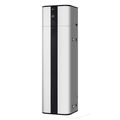
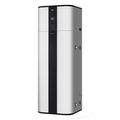
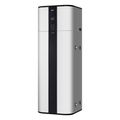

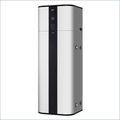
LG residential water heaters are heat pump water heaters built to move heat from surrounding air into a storage tank rather than generating it directly, which cuts electricity use compared to a standard electric-resistance tank. LG's inverter-driven compressor line carries a standard warranty of one year on parts and ten years on the tank and compressor, extending to ten years on parts and one year of labor coverage when a licensed contractor registers the installation within sixty days. The units are rated for ambient operating temperatures from 23°F to 120°F, which allows installation in garages and basements that swing colder than a typical mechanical room.
Homeowners and property managers who want to lower water heating costs without giving up recovery speed are the main audience for this line, and the tanks include leak detection that shuts off the inlet valve automatically if a leak is sensed.
Subcategories
- Inverter Heat Pump Water Heaters: These are the core LG residential line, using a variable-speed inverter compressor to pull heat from ambient air and transfer it into the stored water. Homeowners replacing an aging electric tank use these to cut energy costs while keeping a similar footprint. They are rated for ambient temperatures from 23°F to 120°F, which fits most basement and garage installs.
- Water Leak Detection Models: These units add a built-in sensor that shuts off the water inlet automatically when a leak is detected near the tank base. Property managers and homeowners in finished basements specify this option to limit water damage exposure. The shutoff is automatic and does not require a separate monitoring subscription.
- Demand Response Ready Models: These water heaters support utility demand-response signals, letting a utility program shift the unit's heating cycle to off-peak hours in exchange for program incentives. Contractors working in regions with utility rebate programs point customers toward this option to help offset the upfront cost. The demand-response function operates alongside the unit's normal heating schedule rather than replacing it.
Buying Guide
Ambient space temperature is the first thing to check before specifying LG residential water heaters, since a heat pump water heater pulls warmth from the surrounding air rather than generating it directly. A garage or unconditioned basement that regularly drops below the unit's rated operating range will lose efficiency, so confirming the install location's typical winter low against the 23°F to 120°F rating avoids a callback. Tank capacity should be sized to household hot water demand the same way it would be for a conventional electric tank, since undersizing a heat pump unit leads to more frequent recovery cycles.
Warranty registration timing matters more with this line than with a standard tank. LG residential water heaters carry a base warranty of one year on parts with ten years on the tank and compressor, but that parts coverage extends to a full ten years, plus a year of labor, only if a licensed contractor registers the installation within sixty days of the install date. Contractors should build that registration step into the job close-out checklist rather than leaving it to the homeowner.
Space and clearance requirements are worth confirming early, since heat pump water heaters need airflow around the unit to draw ambient heat efficiently and often require ducting in tight mechanical closets. Utility demand-response and leak-detection features are worth flagging to customers who qualify for local rebate programs, since the incentive can offset a meaningful share of the equipment cost.
Frequently Asked Questions
Why does an LG heat pump water heater need warmer ambient air to run efficiently?
The unit pulls heat from the surrounding air and transfers it into the tank, so a colder installation space gives it less heat to work with. LG rates its units for ambient temperatures from 23°F to 120°F, and efficiency drops toward the lower end of that range.
What has to happen to get the full ten-year parts warranty?
A licensed contractor needs to install the unit and register it within sixty days at the manufacturer's registration site. Without registration, the standard coverage is one year on parts with ten years on the tank and compressor.
Does the leak detection feature require a separate monitoring service?
No. The built-in sensor shuts off the inlet valve automatically when it detects a leak near the tank, and the function works without any subscription or connected monitoring service.
Can these units be installed in an unconditioned garage?
Installation is possible as long as the space stays within the rated ambient operating range of 23°F to 120°F. A garage that regularly drops below that range in winter is not a good fit without additional conditioning.
What is demand response and does it slow down hot water recovery?
Demand response lets a participating utility shift part of the heating cycle to off-peak hours in exchange for program incentives. It works alongside the unit's normal schedule rather than replacing it, so it should not meaningfully affect day-to-day hot water availability.
