




Filters
SORT
Product Availability –
Enclosure Type –
Rotation –
Voltage –
Horse Power –
RPM –
Amperage –
Review Score –
 --%3E %3Csvg version='1.1' id='Fill' xmlns='http://www.w3.org/2000/svg' xmlns:xlink='http://www.w3.org/1999/xlink' x='0px' y='0px' viewBox='0 0 100 100' enable-background='new 0 0 100 100' xml:space='preserve'%3E %3Cpath fill='%23F15C02' d='M79.44,0.95H20.56C9.78,0.95,0.95,9.78,0.95,20.56v58.87c0,10.79,8.82,19.61,19.61,19.61h58.87 c10.79,0,19.61-8.83,19.61-19.61V20.56C99.05,9.78,90.22,0.95,79.44,0.95z M65.38,58.24l9.38,29.58L49.69,69.78L24.5,87.82 l9.34-29.6L8.8,39.6l30.73-0.17c0,0,6.98-19.61,10-28.93c0.54,1.36,9.88,29.1,9.88,29.1H91.2L65.38,58.24z'/%3E %3C/svg%3E)
Price Range –
Miscellaneous Motors


 --%3E %3Csvg version='1.1' id='No-RB' xmlns='http://www.w3.org/2000/svg' xmlns:xlink='http://www.w3.org/1999/xlink' x='0px' y='0px' viewBox='0 0 100 100' enable-background='new 0 0 100 100' xml:space='preserve'%3E %3Cpath fill='%23CECECE' d='M79.44,0.95H20.56C9.78,0.95,0.95,9.78,0.95,20.56v58.87c0,10.79,8.82,19.61,19.61,19.61h58.87 c10.79,0,19.61-8.83,19.61-19.61V20.56C99.05,9.78,90.22,0.95,79.44,0.95z M65.38,58.24l9.38,29.58L49.69,69.78L24.5,87.82 l9.34-29.6L8.8,39.6l30.73-0.17c0,0,6.98-19.61,10-28.93c0.54,1.36,9.88,29.1,9.88,29.1H91.2L65.38,58.24z'/%3E %3C/svg%3E)
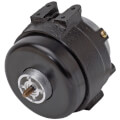

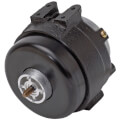

Miscellaneous Motors are the catch all category for electric motors that do not fall neatly under a single equipment brand or blower motor family, covering everything from unit heater fan motors to oil burner motors and refrigeration evaporator motors. SupplyHouse carries these motors from manufacturers such as US Motors, including options like a totally enclosed air over unit heater fan motor rated at one sixth horsepower and 1075 RPM, alongside split phase oil burner motors and PSC refrigeration evaporator motors built for specific voltage and speed requirements. Because these motors span so many mounting styles, frame sizes, and electrical configurations, technicians sourcing a replacement typically start from the failed motor's nameplate rather than the equipment brand. Matching horsepower, voltage, rotation, and frame size against the original motor keeps a replacement from binding against a mounting bracket or running backwards on a fan or pump it was never spec'd for.
Subcategories
- Unit Heater Fan Motors: Unit heater fan motors, such as US Motors' totally enclosed air over model rated at one sixth horsepower and 1075 RPM in a 48Y frame, move air across the heating element in gas fired or electric unit heaters. Facilities and warehouse maintenance staff replacing a worn fan motor on a suspended unit heater look for this frame size and speed rating specifically, since a mismatched RPM changes airflow across the heat exchanger. The totally enclosed design protects the motor windings from the dust and debris common in the spaces where unit heaters run.
- Oil Burner Motors: Oil burner motors, including US Motors' totally enclosed split phase model rated at one seventh horsepower and 3450 RPM in a 48M frame, drive the fan and fuel pump on an oil fired burner assembly. Heating technicians servicing oil boilers and furnaces replace this motor when the burner fails to reach proper combustion air flow or fuel pressure. The higher 3450 RPM speed compared to a typical fan motor reflects the burner's need for both air movement and pump drive from the same shaft.
- Refrigeration Evaporator Motors: Refrigeration evaporator motors, such as US Motors' PSC model built for 208 to 230 volt operation at 1550 RPM, circulate air across the evaporator coil in walk in coolers and refrigeration cases. Refrigeration technicians select this motor family when the original evaporator fan motor fails and airflow across the coil drops, since reduced airflow leads to icing or poor case temperature control. Matching voltage and RPM to the original motor keeps the coil operating at its designed airflow rate.
- Carrier Miscellaneous Motors and Parts: Carrier miscellaneous motors and parts cover the inducer motors, vent motors, and motor mounting plates specific to Carrier furnace and air handler lines rather than generic replacement motors. Technicians working exclusively on Carrier branded equipment turn to this OEM specific category to match the exact inducer or vent motor the furnace was built with. Motor support plates and master controls with integrated sensors round out the category for jobs needing more than just the motor itself.
Buying Guide
Start with the nameplate on the motor being replaced rather than the equipment brand name, since horsepower, voltage, RPM, and frame size determine fit and performance far more than which manufacturer originally installed the unit. Frame size and mounting style come first: a motor with the wrong frame will not bolt up to the existing bracket, and a shaft of the wrong diameter or length will not accept the original fan blade or pulley. Voltage and phase need to match the electrical supply exactly, since a motor built for 208 to 230 volt operation will not run correctly, or safely, on a mismatched circuit.
Once frame and voltage are confirmed, check RPM and horsepower against the application. Fan motors moving air across a heat exchanger or evaporator coil depend on a specific RPM to hit the designed airflow, so a faster or slower replacement changes performance even if it physically fits. Miscellaneous Motors covers this exact scenario: equipment that does not fit neatly into a single brand's blower motor family, from unit heater fans to oil burner motors to refrigeration evaporator fans, all of which need a motor selected by specification rather than by brand match. Rotation direction matters just as much on any motor driving a fan or pump, since a motor wired or built to spin the wrong direction moves noticeably less air or fluid even while drawing normal current. Confirming these specs against the failed motor's nameplate before ordering avoids a mismatch discovered after installation.
Frequently Asked Questions
How do I find the right replacement motor when the equipment brand is not listed?
Matching a replacement motor starts with the nameplate on the failed motor rather than the equipment brand, since horsepower, voltage, RPM, and frame size determine fit far more than brand does. Miscellaneous motor categories exist specifically for equipment that does not fall under a single brand's dedicated motor line. Pulling the horsepower, voltage, RPM, and frame size directly off the old motor and matching those specs to a replacement covers most cross brand situations.
What RPM does a typical unit heater fan motor run at?
US Motors' totally enclosed unit heater fan motor in the 48Y frame runs at 1075 RPM and one sixth horsepower on 115 volts. Matching this speed and horsepower to the original motor keeps airflow across the heat exchanger consistent with how the unit heater was designed to perform. A faster or slower replacement motor changes airflow even when the physical fit is correct.
Why does an oil burner motor run at a higher RPM than a typical fan motor?
Oil burner motors, such as US Motors' split phase model at 3450 RPM, drive both the combustion air fan and the fuel pump from the same shaft. The higher speed compared to a standard fan motor supports the combined air and fuel pump load the burner assembly needs. Replacing this motor with a lower RPM option can leave the burner short on combustion air or fuel pressure.
What is the difference between a generic refrigeration evaporator motor and a Carrier specific motor?
A generic refrigeration evaporator motor, such as a PSC model rated for 208 to 230 volt operation at 1550 RPM, fits a range of evaporator coil applications based on matching specs rather than brand. Carrier specific motors, found in the Carrier Miscellaneous Motors and Parts category, are built to the exact fit and control requirements of Carrier branded furnaces and air handlers. Choosing between the two depends on whether the equipment uses a Carrier proprietary mounting or control setup or a standard frame that accepts a generic replacement.
Why does motor rotation direction matter on a replacement fan or pump motor?
A motor built or wired to spin the wrong direction moves noticeably less air or fluid even while pulling normal current, since fan blades and pump impellers are designed for a specific direction of rotation. Checking rotation direction against the original motor, not just horsepower and voltage, avoids a replacement that runs but underperforms. Reversible motors can often be field wired for the correct rotation, while single direction motors need to be ordered to match exactly.
