




PEX Crimp Valves
PEX crimp valves connect directly to PEX tubing using a copper crimp ring, giving plumbers a full range of shutoff, check, balancing, and specialty valve types without switching to a different connection method mid-run. The category covers ball valves, check valves, and pressure and mixing valves built for crimp connections.
Selecting a crimp valve keeps the entire PEX run on one consistent connection method, which simplifies tooling on the job since a single crimp tool services both fittings and valves. Matching valve function, whether shutoff, check, or pressure reducing, to the application keeps the plumbing system operating as designed.


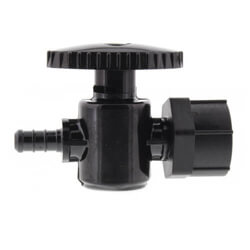
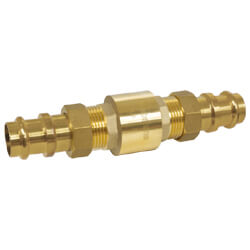

Subcategories
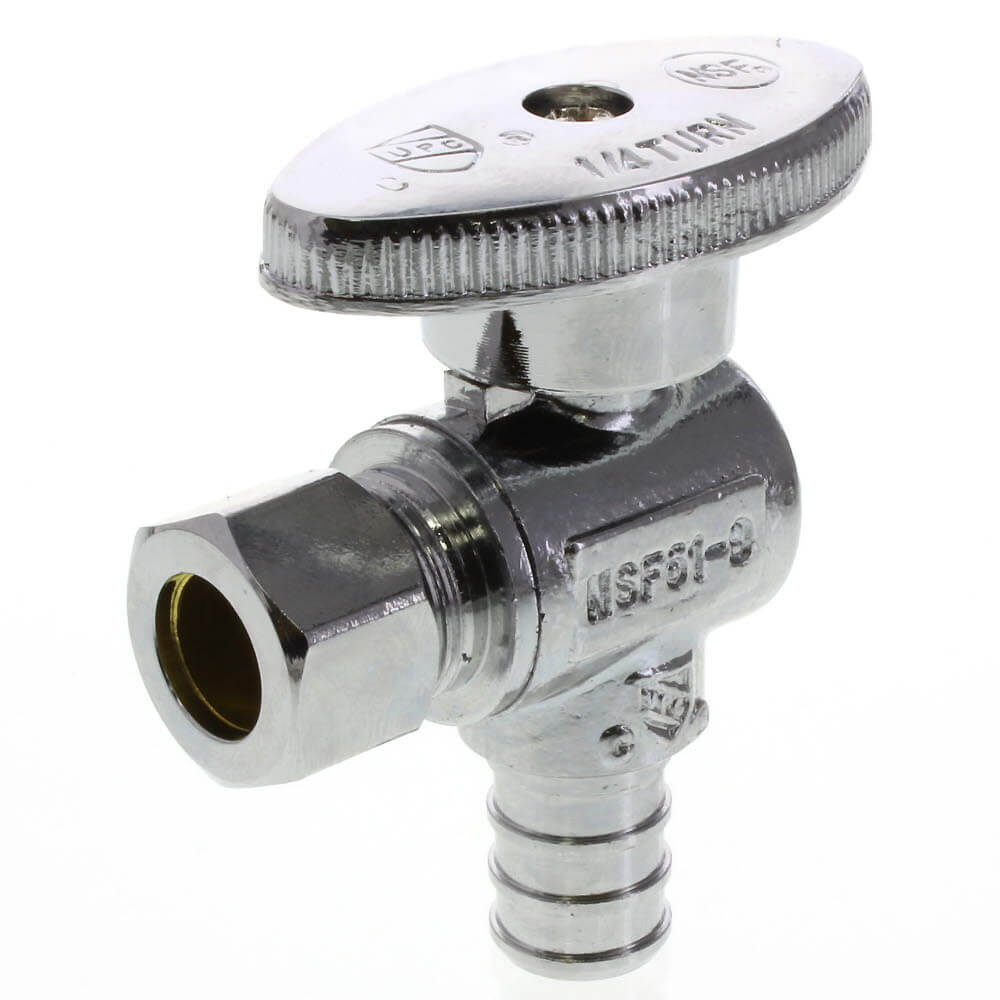
- PEX Crimp Ball Valves: PEX crimp ball valves provide a full shutoff at any point in a PEX system, using a quarter turn ball mechanism connected to the tubing with a crimp ring. They are a common choice for fixture shutoffs, branch line isolation, and main line shutoffs throughout a plumbing system. The crimp connection on both ends creates a permanent joint once installed.
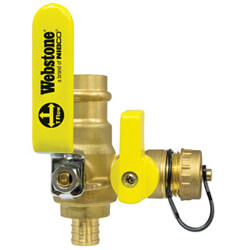
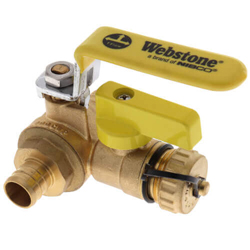
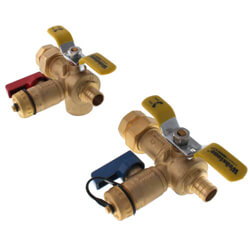
- PEX Crimp Ball Valves w/ Drain: PEX crimp ball valves with a drain port add the ability to drain down a section of line after the main valve is closed. Plumbers use them ahead of exterior sillcocks or in systems that need to be winterized, since the drain port clears trapped water that could otherwise freeze. The crimp connection matches the standard ball valve line for consistent installation.
- PEX Crimp Check Valves: PEX crimp check valves allow water to flow in one direction only, preventing backflow at points in a system where that matters, such as after a pump or before a fixture with strict backflow requirements. The crimp connection integrates the check valve directly into a PEX run without needing a separate adapter fitting. Orientation matters during installation, since installing the valve backward blocks flow entirely.
- PEX Crimp Isolation Valve Flanges: PEX crimp isolation valve flanges mount a shutoff valve to a wall or floor surface, commonly used behind washing machines, water heaters, or other fixed appliances that need an accessible, dedicated shutoff. The flange secures the valve in place so it does not move when the appliance's supply lines are connected or disconnected. Crimp connections on the supply side keep the flange consistent with the rest of a crimp based system.
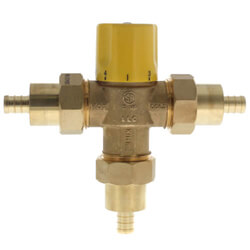
- PEX Crimp Mixing Valves: PEX crimp mixing valves blend hot and cold water to a set temperature before it reaches a fixture, a function often used for scald protection or maintaining a consistent temperature across multiple fixtures. The crimp connections on the valve's inlet and outlet ports integrate it directly into an existing PEX run. Adjusting the valve after installation lets a plumber fine tune the blended output temperature.
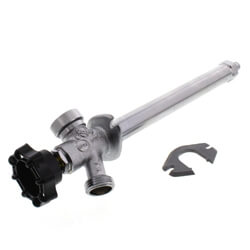
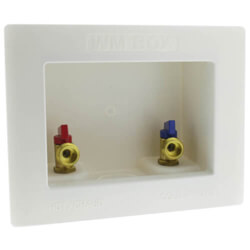
- PEX Crimp Outlet Boxes: PEX crimp outlet boxes house a valve or connection point behind a finished wall, providing a consistent, code compliant mounting point for appliance or fixture connections such as an ice maker or washing machine. The box protects the valve and connection from being damaged during drywall installation. Crimp connections on the supply line match the box to the rest of a crimp based rough in.
Buying Guide
Selecting a PEX crimp valve starts with identifying the function needed at that specific point in the system, whether that's a basic shutoff, a check valve, a mixing valve, or a dedicated outlet box for an appliance connection.
Ball valves cover the most common shutoff applications, with drain equipped versions worth considering anywhere a line may need to be winterized or drained down for service, such as ahead of an exterior sillcock.
Check valves and mixing valves serve more specific functions and should be selected based on the system's requirements rather than general availability, since installing a check valve backward or a mixing valve without proper adjustment can create performance problems.
Outlet boxes and isolation flanges are typically chosen based on the appliance or fixture being connected, since washing machines, ice makers, and water heaters each have their own expected connection style and rough in location.
Because every valve in this category uses the same crimp connection method, standardizing on crimp valves throughout a job keeps the required tooling consistent and simplifies training for anyone doing repeat rough in work.
Frequently Asked Questions
What's the difference between a standard ball valve and a drain equipped ball valve?
A standard ball valve provides a simple quarter turn shutoff, while a drain equipped version adds a port that lets trapped water be drained from the line after the main valve closes. The drain port is especially useful ahead of exterior sillcocks or in systems that need to be winterized.
Why does orientation matter when installing a PEX crimp check valve?
A check valve only allows flow in one direction, so installing it backward blocks flow through that section of line entirely. Most check valves have a flow direction arrow marked on the body to confirm correct orientation before crimping the connections.
Where are PEX crimp outlet boxes typically installed?
Outlet boxes are typically installed behind a finished wall at the rough in stage, providing a protected, code compliant connection point for appliances such as ice makers, washing machines, or water heaters. Placing the box correctly during rough in avoids having to open a finished wall later to add a connection point.
Can a mixing valve be adjusted after it's installed?
Most PEX crimp mixing valves allow the blended output temperature to be fine tuned after installation, typically through an adjustment screw or dial on the valve body. Confirming the specific valve's adjustment method before rough in helps avoid having to access a concealed valve later.
Do isolation valve flanges need to be secured to a solid surface?
Isolation valve flanges are designed to mount to a wall or floor surface so the valve stays fixed in place when supply lines are connected or disconnected. Securing the flange to a solid backing, rather than just the finished wall surface, keeps the valve stable through repeated appliance connections over time.
Resources
Subcategories
- PEX Crimp Ball Valves: PEX crimp ball valves provide a full shutoff at any point in a PEX system, using a quarter turn ball mechanism connected to the tubing with a crimp ring. They are a common choice for fixture shutoffs, branch line isolation, and main line shutoffs throughout a plumbing system. The crimp connection on both ends creates a permanent joint once installed.
- PEX Crimp Ball Valves w/ Drain: PEX crimp ball valves with a drain port add the ability to drain down a section of line after the main valve is closed. Plumbers use them ahead of exterior sillcocks or in systems that need to be winterized, since the drain port clears trapped water that could otherwise freeze. The crimp connection matches the standard ball valve line for consistent installation.
- PEX Crimp Check Valves: PEX crimp check valves allow water to flow in one direction only, preventing backflow at points in a system where that matters, such as after a pump or before a fixture with strict backflow requirements. The crimp connection integrates the check valve directly into a PEX run without needing a separate adapter fitting. Orientation matters during installation, since installing the valve backward blocks flow entirely.
- PEX Crimp Isolation Valve Flanges: PEX crimp isolation valve flanges mount a shutoff valve to a wall or floor surface, commonly used behind washing machines, water heaters, or other fixed appliances that need an accessible, dedicated shutoff. The flange secures the valve in place so it does not move when the appliance's supply lines are connected or disconnected. Crimp connections on the supply side keep the flange consistent with the rest of a crimp based system.
- PEX Crimp Mixing Valves: PEX crimp mixing valves blend hot and cold water to a set temperature before it reaches a fixture, a function often used for scald protection or maintaining a consistent temperature across multiple fixtures. The crimp connections on the valve's inlet and outlet ports integrate it directly into an existing PEX run. Adjusting the valve after installation lets a plumber fine tune the blended output temperature.
- PEX Crimp Outlet Boxes: PEX crimp outlet boxes house a valve or connection point behind a finished wall, providing a consistent, code compliant mounting point for appliance or fixture connections such as an ice maker or washing machine. The box protects the valve and connection from being damaged during drywall installation. Crimp connections on the supply line match the box to the rest of a crimp based rough in.
Buying Guide
Selecting a PEX crimp valve starts with identifying the function needed at that specific point in the system, whether that's a basic shutoff, a check valve, a mixing valve, or a dedicated outlet box for an appliance connection.
Ball valves cover the most common shutoff applications, with drain equipped versions worth considering anywhere a line may need to be winterized or drained down for service, such as ahead of an exterior sillcock.
Check valves and mixing valves serve more specific functions and should be selected based on the system's requirements rather than general availability, since installing a check valve backward or a mixing valve without proper adjustment can create performance problems.
Outlet boxes and isolation flanges are typically chosen based on the appliance or fixture being connected, since washing machines, ice makers, and water heaters each have their own expected connection style and rough in location.
Because every valve in this category uses the same crimp connection method, standardizing on crimp valves throughout a job keeps the required tooling consistent and simplifies training for anyone doing repeat rough in work.
Frequently Asked Questions
What's the difference between a standard ball valve and a drain equipped ball valve?
A standard ball valve provides a simple quarter turn shutoff, while a drain equipped version adds a port that lets trapped water be drained from the line after the main valve closes. The drain port is especially useful ahead of exterior sillcocks or in systems that need to be winterized.
Why does orientation matter when installing a PEX crimp check valve?
A check valve only allows flow in one direction, so installing it backward blocks flow through that section of line entirely. Most check valves have a flow direction arrow marked on the body to confirm correct orientation before crimping the connections.
Where are PEX crimp outlet boxes typically installed?
Outlet boxes are typically installed behind a finished wall at the rough in stage, providing a protected, code compliant connection point for appliances such as ice makers, washing machines, or water heaters. Placing the box correctly during rough in avoids having to open a finished wall later to add a connection point.
Can a mixing valve be adjusted after it's installed?
Most PEX crimp mixing valves allow the blended output temperature to be fine tuned after installation, typically through an adjustment screw or dial on the valve body. Confirming the specific valve's adjustment method before rough in helps avoid having to access a concealed valve later.
Do isolation valve flanges need to be secured to a solid surface?
Isolation valve flanges are designed to mount to a wall or floor surface so the valve stays fixed in place when supply lines are connected or disconnected. Securing the flange to a solid backing, rather than just the finished wall surface, keeps the valve stable through repeated appliance connections over time.