




PEX Valves
PEX valves cover the shutoff, check, mixing, and specialty valves built with end connections designed for direct PEX tubing connection. The category spans crimp, press, push-fit, and expansion connection styles to match whichever PEX system a job already uses.
Selecting a valve connection style that matches the rest of the PEX run keeps the installation consistent and avoids the need for a separate adapter fitting. Plumbers working across multiple PEX brands often keep valves in more than one connection style on hand to match whatever tubing is already installed.

Subcategories
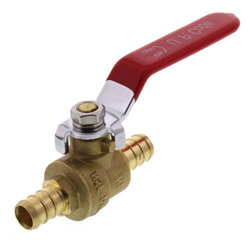
- PEX Crimp Valves: PEX crimp valves connect to tubing using a copper crimp ring compressed with a dedicated crimping tool, one of the most established connection methods in PEX plumbing. The category includes ball valves, check valves, and other valve styles built around the crimp connection. Plumbers already using crimp fittings throughout a job typically stick with crimp valves to avoid introducing a second tool type.
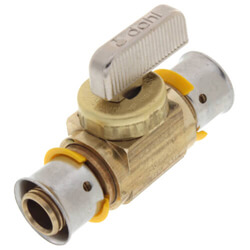
- PEX Press Valves: PEX press valves use a stainless steel ring compressed with a press tool rather than a crimping tool, a method that has grown in popularity for its speed on larger jobs. The press connection creates a permanent, tool dependent joint similar in reliability to a crimp connection. Contractors who already own a press tool for copper press fittings often extend that investment to PEX press valves as well.
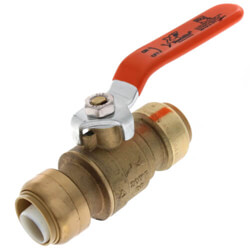
- SharkBite (Push-Fit) Valves: SharkBite push fit valves connect to PEX tubing by pushing the tubing directly into the valve body, without a crimping or pressing tool. That makes them a practical option for repair work, tight spaces, or situations where a permanent connection tool is not available on site. Some push fit valves also allow disconnection and reuse, unlike crimp or press connections.
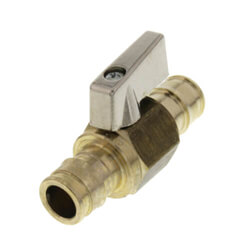
- Uponor ProPEX Expansion Valves: Uponor ProPEX expansion valves use the expansion connection method, where the PEX tubing is stretched over a fitting with an expansion tool before it contracts back into place. The method is specific to Uponor's ProPEX system and requires an expansion tool sized to match the tubing diameter. Jobs already using ProPEX fittings throughout typically standardize on ProPEX valves to keep the connection method consistent.
Buying Guide
The starting point for selecting a PEX valve is the connection method already used on the rest of the job, since crimp, press, push fit, and expansion valves each require their own tool and are not interchangeable without an adapter.
Crimp and press connections both create a permanent joint and require a dedicated tool, with press connections generally preferred on larger commercial jobs where installation speed matters.
Push fit valves skip the tool requirement entirely, which makes them useful for repair work, remodels, or any situation where introducing a new tool to the job is not practical.
Expansion valves, such as those built for the Uponor ProPEX system, require their own expansion tool and are typically chosen when the rest of the job already uses that connection method throughout.
Sticking with one connection method for an entire job, rather than mixing crimp, press, push fit, and expansion valves, keeps the tool list on site simpler and reduces the chance of an incompatible connection.
Frequently Asked Questions
Which PEX valve connection method installs fastest?
Push fit valves install fastest since they require no tool at all, just pushing the tubing into the valve body. Crimp and press connections both need a dedicated tool and take longer per connection, though many plumbers consider the resulting joint more suited to permanent, concealed installations.
Can a crimp valve be swapped for a press valve on an existing job?
Swapping connection methods mid job usually requires an adapter fitting or cutting back to a section of tubing long enough for the new connection type. It is generally simpler to standardize on one connection method from the start rather than mixing crimp and press valves on the same run.
Are push fit valves meant to be permanent?
Push fit valves can serve as a permanent connection, though their appeal often comes from also allowing disconnection and reuse, which crimp and press connections do not offer. That flexibility makes them a common choice for repair work where a line may need to be reopened later.
What tool is needed for Uponor ProPEX expansion valves?
Uponor ProPEX expansion valves require an expansion tool sized to match the tubing diameter, which stretches the PEX tubing so it can be fitted over the valve's connection point before contracting back into place. The tool is specific to the ProPEX system and is not interchangeable with crimp or press tools.
Do all PEX valve types handle the same water pressure?
Pressure ratings vary by valve design and manufacturer rather than by connection method alone, so confirming the specific valve's rating against the system's operating pressure is necessary regardless of whether it is a crimp, press, push fit, or expansion style valve.
Resources
Subcategories
- PEX Crimp Valves: PEX crimp valves connect to tubing using a copper crimp ring compressed with a dedicated crimping tool, one of the most established connection methods in PEX plumbing. The category includes ball valves, check valves, and other valve styles built around the crimp connection. Plumbers already using crimp fittings throughout a job typically stick with crimp valves to avoid introducing a second tool type.
- PEX Press Valves: PEX press valves use a stainless steel ring compressed with a press tool rather than a crimping tool, a method that has grown in popularity for its speed on larger jobs. The press connection creates a permanent, tool dependent joint similar in reliability to a crimp connection. Contractors who already own a press tool for copper press fittings often extend that investment to PEX press valves as well.
- SharkBite (Push-Fit) Valves: SharkBite push fit valves connect to PEX tubing by pushing the tubing directly into the valve body, without a crimping or pressing tool. That makes them a practical option for repair work, tight spaces, or situations where a permanent connection tool is not available on site. Some push fit valves also allow disconnection and reuse, unlike crimp or press connections.
- Uponor ProPEX Expansion Valves: Uponor ProPEX expansion valves use the expansion connection method, where the PEX tubing is stretched over a fitting with an expansion tool before it contracts back into place. The method is specific to Uponor's ProPEX system and requires an expansion tool sized to match the tubing diameter. Jobs already using ProPEX fittings throughout typically standardize on ProPEX valves to keep the connection method consistent.
Buying Guide
The starting point for selecting a PEX valve is the connection method already used on the rest of the job, since crimp, press, push fit, and expansion valves each require their own tool and are not interchangeable without an adapter.
Crimp and press connections both create a permanent joint and require a dedicated tool, with press connections generally preferred on larger commercial jobs where installation speed matters.
Push fit valves skip the tool requirement entirely, which makes them useful for repair work, remodels, or any situation where introducing a new tool to the job is not practical.
Expansion valves, such as those built for the Uponor ProPEX system, require their own expansion tool and are typically chosen when the rest of the job already uses that connection method throughout.
Sticking with one connection method for an entire job, rather than mixing crimp, press, push fit, and expansion valves, keeps the tool list on site simpler and reduces the chance of an incompatible connection.
Frequently Asked Questions
Which PEX valve connection method installs fastest?
Push fit valves install fastest since they require no tool at all, just pushing the tubing into the valve body. Crimp and press connections both need a dedicated tool and take longer per connection, though many plumbers consider the resulting joint more suited to permanent, concealed installations.
Can a crimp valve be swapped for a press valve on an existing job?
Swapping connection methods mid job usually requires an adapter fitting or cutting back to a section of tubing long enough for the new connection type. It is generally simpler to standardize on one connection method from the start rather than mixing crimp and press valves on the same run.
Are push fit valves meant to be permanent?
Push fit valves can serve as a permanent connection, though their appeal often comes from also allowing disconnection and reuse, which crimp and press connections do not offer. That flexibility makes them a common choice for repair work where a line may need to be reopened later.
What tool is needed for Uponor ProPEX expansion valves?
Uponor ProPEX expansion valves require an expansion tool sized to match the tubing diameter, which stretches the PEX tubing so it can be fitted over the valve's connection point before contracting back into place. The tool is specific to the ProPEX system and is not interchangeable with crimp or press tools.
Do all PEX valve types handle the same water pressure?
Pressure ratings vary by valve design and manufacturer rather than by connection method alone, so confirming the specific valve's rating against the system's operating pressure is necessary regardless of whether it is a crimp, press, push fit, or expansion style valve.