




Uponor ProPEX Expansion Valves
Uponor ProPEX expansion valves connect directly to PEX-A tubing using Uponor's expansion connection method, covering check valves, outlet boxes, and isolation valves built specifically for tankless water heater connections.
Combination ProPEX x press isolation valves let a plumber transition from a PEX-A run to a press-fit connection at a single valve, useful where a job mixes both systems. Tub and shower valves in this line handle the specific rough-in requirements of bath fixtures.



Subcategories
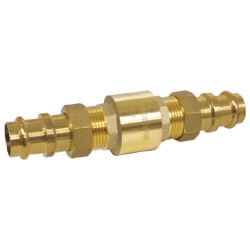
- ProPEX Expansion Check Valves: Check valves in this line prevent backflow in a PEX-a line while connecting with the same expansion method used on the rest of the system. Plumbers install them on water heater inlets, recirculation lines, and other points where flow needs to move in one direction only. The expansion connection means no transition fitting is needed between the valve and the surrounding PEX tubing.
- ProPEX Expansion Outlet Boxes: Outlet boxes provide a finished, code-compliant termination point for a PEX-a line behind a wall, supporting fixtures such as ice makers, washing machines, and hose bibs. The box mounts to wall framing before rough-in and accepts the expansion fitting directly, keeping the connection accessible for future service. Plumbers select a box based on the fixture type and the wall thickness at the installation point.
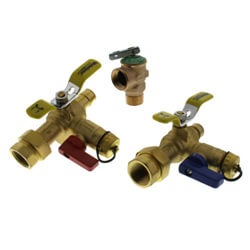
- ProPEX Expansion Tankless Water Heater Isolation Valves: Isolation valves for tankless water heaters let a technician shut off and drain the unit for descaling or service without cutting into the surrounding PEX-a piping. The valve set typically pairs a hot and cold shutoff with drain ports built into the same assembly. Installing these during the initial water heater hookup saves a return trip when the unit needs its first flush.
- ProPEX Expansion Tub & Shower Valves: Tub and shower valves in this line handle mixing and diverting duties at the fixture while connecting to PEX-a supply lines through the same expansion method used elsewhere in the system. Plumbers appreciate that the valve body accepts the expansion fitting directly, avoiding a separate crimp or clamp connection behind the finished wall. Matching the valve to the trim kit being installed keeps the rough-in and finish stages compatible.
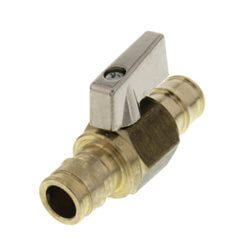
- ProPEX x Press Isolation Valves: Isolation valves in this line combine a ProPEX expansion connection on one side with a press-fit connection on the other, letting plumbers transition between PEX-a and copper or another press-compatible material at a single fitting. The dual connection type is useful on retrofit jobs where the existing piping isn't PEX. Confirming the press side's pipe size and material compatibility before ordering avoids a mismatched transition.
Buying Guide
Identifying where the valve sits in the system, whether at a water heater, tub and shower rough-in, or a general isolation point, is the first step in selecting the right ProPEX expansion valve, since each style in this line is built for a specific fixture or function.
Tubing compatibility comes first on every job. ProPEX expansion valves are designed to work with PEX-a tubing prepared using the ProPEX expansion tool, so confirming the tubing type and expansion tool availability before starting a rough-in avoids a mismatch mid-installation.
Isolation and service access matter most around water heaters and other equipment that needs periodic maintenance. Tankless water heater isolation valves with built-in drain ports let a technician descale the unit without disturbing the surrounding piping, which saves labor on future service calls.
Transition points deserve extra attention on retrofit or mixed-material jobs. ProPEX x Press valves bridge PEX-a to press-fit copper or similar materials at a single fitting, which is useful when tying new PEX-a runs into existing metal piping without adding a separate coupling.
Wall thickness and fixture type guide outlet box selection for appliance and hose bib connections. Confirming the box depth against the wall framing and the fixture's connection style before rough-in keeps the finished installation accessible for service.
Frequently Asked Questions
What makes a ProPEX expansion valve different from a standard PEX valve?
A ProPEX expansion valve connects using the same expansion method as ProPEX fittings, meaning the valve body expands into prepared PEX-a tubing rather than requiring a crimp ring or clamp connection.
Can I use a ProPEX expansion valve with any PEX tubing?
ProPEX expansion valves are designed for PEX-a tubing prepared with a ProPEX expansion tool. Tubing that hasn't been rated for the ProPEX system won't seal correctly around the valve body.
Why would I choose a ProPEX x Press isolation valve over a standard ProPEX valve?
A ProPEX x Press valve is the right choice when transitioning from PEX-a to copper or another press-compatible material at a single fitting, which comes up often on retrofit jobs tying into existing metal piping.
Do tankless water heater isolation valves include drain ports?
Yes, the isolation valve sets built for tankless water heaters typically include drain ports alongside the hot and cold shutoffs, letting a technician flush the unit for descaling without disconnecting the surrounding piping.
What should I check before installing a ProPEX outlet box?
Confirming the box depth against the wall framing and the connection style needed for the fixture, such as an ice maker or hose bib, before rough-in keeps the installation accessible and code-compliant.
Resources
Subcategories
- ProPEX Expansion Check Valves: Check valves in this line prevent backflow in a PEX-a line while connecting with the same expansion method used on the rest of the system. Plumbers install them on water heater inlets, recirculation lines, and other points where flow needs to move in one direction only. The expansion connection means no transition fitting is needed between the valve and the surrounding PEX tubing.
- ProPEX Expansion Outlet Boxes: Outlet boxes provide a finished, code-compliant termination point for a PEX-a line behind a wall, supporting fixtures such as ice makers, washing machines, and hose bibs. The box mounts to wall framing before rough-in and accepts the expansion fitting directly, keeping the connection accessible for future service. Plumbers select a box based on the fixture type and the wall thickness at the installation point.
- ProPEX Expansion Tankless Water Heater Isolation Valves: Isolation valves for tankless water heaters let a technician shut off and drain the unit for descaling or service without cutting into the surrounding PEX-a piping. The valve set typically pairs a hot and cold shutoff with drain ports built into the same assembly. Installing these during the initial water heater hookup saves a return trip when the unit needs its first flush.
- ProPEX Expansion Tub & Shower Valves: Tub and shower valves in this line handle mixing and diverting duties at the fixture while connecting to PEX-a supply lines through the same expansion method used elsewhere in the system. Plumbers appreciate that the valve body accepts the expansion fitting directly, avoiding a separate crimp or clamp connection behind the finished wall. Matching the valve to the trim kit being installed keeps the rough-in and finish stages compatible.
- ProPEX x Press Isolation Valves: Isolation valves in this line combine a ProPEX expansion connection on one side with a press-fit connection on the other, letting plumbers transition between PEX-a and copper or another press-compatible material at a single fitting. The dual connection type is useful on retrofit jobs where the existing piping isn't PEX. Confirming the press side's pipe size and material compatibility before ordering avoids a mismatched transition.
Buying Guide
Identifying where the valve sits in the system, whether at a water heater, tub and shower rough-in, or a general isolation point, is the first step in selecting the right ProPEX expansion valve, since each style in this line is built for a specific fixture or function.
Tubing compatibility comes first on every job. ProPEX expansion valves are designed to work with PEX-a tubing prepared using the ProPEX expansion tool, so confirming the tubing type and expansion tool availability before starting a rough-in avoids a mismatch mid-installation.
Isolation and service access matter most around water heaters and other equipment that needs periodic maintenance. Tankless water heater isolation valves with built-in drain ports let a technician descale the unit without disturbing the surrounding piping, which saves labor on future service calls.
Transition points deserve extra attention on retrofit or mixed-material jobs. ProPEX x Press valves bridge PEX-a to press-fit copper or similar materials at a single fitting, which is useful when tying new PEX-a runs into existing metal piping without adding a separate coupling.
Wall thickness and fixture type guide outlet box selection for appliance and hose bib connections. Confirming the box depth against the wall framing and the fixture's connection style before rough-in keeps the finished installation accessible for service.
Frequently Asked Questions
What makes a ProPEX expansion valve different from a standard PEX valve?
A ProPEX expansion valve connects using the same expansion method as ProPEX fittings, meaning the valve body expands into prepared PEX-a tubing rather than requiring a crimp ring or clamp connection.
Can I use a ProPEX expansion valve with any PEX tubing?
ProPEX expansion valves are designed for PEX-a tubing prepared with a ProPEX expansion tool. Tubing that hasn't been rated for the ProPEX system won't seal correctly around the valve body.
Why would I choose a ProPEX x Press isolation valve over a standard ProPEX valve?
A ProPEX x Press valve is the right choice when transitioning from PEX-a to copper or another press-compatible material at a single fitting, which comes up often on retrofit jobs tying into existing metal piping.
Do tankless water heater isolation valves include drain ports?
Yes, the isolation valve sets built for tankless water heaters typically include drain ports alongside the hot and cold shutoffs, letting a technician flush the unit for descaling without disconnecting the surrounding piping.
What should I check before installing a ProPEX outlet box?
Confirming the box depth against the wall framing and the connection style needed for the fixture, such as an ice maker or hose bib, before rough-in keeps the installation accessible and code-compliant.